Printable guide
Best Flamingo Tours in Yucatán: Celestún or Río Lagartos?
Updated
Compare the best flamingo tours in Yucatán, from Celestún boat trips near Mérida to Río Lagartos wildlife outings on the north coast. Choose the right reserve, season, transport, and tour style without expecting wild birds to perform on schedule.

Yucatán’s flamingos are wild birds in coastal wetlands, not a scheduled attraction. Their location changes with tide, food, weather, breeding activity, and the condition of the water. The best flamingo tour is therefore not the one with the loudest promise or the most dramatic photograph. It is the one that puts you in the right reserve for your itinerary, uses a competent local boat crew, leaves enough time for observation, and treats the birds as wildlife rather than scenery arranged for a close-up.
For most travelers based in Mérida, Celestún is the practical first choice, especially from late autumn through winter. It is west of the capital, reachable as a full day trip, and easy to combine with a mangrove route and time on the Gulf beach. For travelers based in Valladolid or traveling the eastern and northern coast, Río Lagartos is usually the better geographic fit. It offers a broader wildlife route and combines naturally with Las Coloradas, though the salt ponds are a separate experience from the flamingo boat trip.
This guide compares the main tour formats rather than pretending there is one winner for every traveler. It covers what the listings usually mean, what to confirm before paying, how to choose between a shared and private boat, which season favors each reserve, and how to build a day that is enjoyable even when the flock is farther away than you hoped.
American flamingos in the Celestún Biosphere Reserve
Quick answer: which flamingo tour should you choose?
| Your starting point or priority | Best fit | Why |
|---|---|---|
| Mérida, first visit | Celestún full-day tour | The simplest connection from the inland capital to a coastal wetland |
| Mérida, winter wildlife day | Celestún boat and mangrove tour | Celestún is commonly strongest for larger winter concentrations |
| Valladolid or eastern Yucatán | Río Lagartos boat tour | A more logical route to the north coast |
| Spring or summer wildlife trip | Río Lagartos, with local confirmation | Flamingos often concentrate more in the eastern reserve during this part of the year |
| Photography and birdwatching | Dedicated early boat | More time for patient observation and changing light |
| Family day from Mérida | Shared or small-group Celestún tour | Fewer road decisions and a beach break after the boat |
| One day with several Yucatán highlights | Combination route | Efficient, but every added stop reduces time in the reserve |
| Maximum flexibility | Private driver plus local boat | You control road timing, breaks, and the balance between nature and beach |
| Quiet coastal trip | Overnight in Celestún or Río Lagartos | The reserve is easier to experience without forcing everything into one day |
A tour title is not enough to make this comparison. Some listings describe a complete excursion from Mérida or Valladolid. Others describe only a local boat ride after you reach the coast. Read the transport and inclusions before comparing prices.
Celestún or Río Lagartos: the main decision
Celestún and Río Lagartos are both important Yucatán wetland destinations, but they belong to different routes. Celestún is on the western Gulf coast and is the natural coastal escape from Mérida. Río Lagartos is on the northern coast in the eastern part of the state, closer to Valladolid, Tizimín, Las Coloradas, San Felipe, and El Cuyo.
 Río Lagartos on Yucatán's north coast
Celestún usually feels more compact as a visitor experience. You travel from Mérida to a fishing town, take a local boat through the reserve, and can finish with a beach walk or meal. The day has a clear shape. The reserve includes mangroves, shallow water, dunes, beaches, and freshwater influences from the wider groundwater system. Flamingos are the headline, but other birds and the changing texture of the channels are what make the boat ride worthwhile when the flock is distant.
Río Lagartos feels more like a larger coastal region than a single day-trip attraction. A boat from town may enter channels and lagoon areas where flamingos, herons, pelicans, cormorants, and crocodiles can appear. Las Coloradas is often added because it is in the same broad north-coast route, but its salt ponds should not be confused with the reserve. A combined itinerary can be memorable, but it becomes a long day when it also includes a cenote or archaeological site.
GuideCelestún Beach Guide: Flamingos, Boat Tours & How to Visit from MéridaCelestún is a working fishing town on the far western edge of Yucatán, where a wide Gulf beach meets the Ría Celestún Biosphere Reserve, famous for its flamingo habitat. The destination is about 90–110 km west of Mérida and requires roughly 1.5–2 hours each way by car; a rental car, private driver, organized tour or public bus can be used, with the bus being the cheapest but less flexible. A full‑day visit from Mérida is typical, beginning with a morning boat tour of the mangrove channels and reserve, followed by a long seafood lunch under a palapa and optional beach time. Boat tours are priced per boat rather than per person, include life jackets and usually cover flamingo viewing areas, mangrove passages and occasional stops at freshwater springs; English‑speaking guides are not guaranteed, so confirm in advance. The best flamingo season is November to February, especially December to February, though sightings vary daily. Visitors should expect a wide, soft‑sand beach with calm but sometimes murky water, a relaxed malecón with palapa restaurants, and more locals on weekends and holidays. Bring cash for small vendors, arrive early for cooler weather and better boat‑tour timing, and respect wildlife distance as flamingos are sensitive to close approaches.Open
Choose Celestún when logistics matter most
Choose Celestún if you are staying in Mérida, want flamingos plus beach time, are traveling with children, or have only one free nature day. The road is still long enough that you should treat the excursion as a full day, but it is more manageable than crossing from Mérida to the eastern reserve and returning the same evening.
Celestún is also the better choice when your group has mixed interests. Someone can care about birds while someone else looks forward to lunch near the beach. A good itinerary protects time for both rather than making the beach a hurried photo stop at the end.
Compare Celestún flamingo tours on GetYourGuide · See Celestún options on Viator
Choose Río Lagartos when the eastern route makes sense
Río Lagartos is the stronger choice if you are based in Valladolid or already traveling toward the north and east coast. It makes more sense as part of a route than as a forced day trip from Mérida. From Valladolid, you can arrange a complete tour, drive to the coast, or hire a driver and organize a local boat.
Choose it if you want a more wildlife-focused day, are interested in birding beyond flamingos, or want to combine the boat with Las Coloradas. If your group mainly wants a short, easy outing and a beach lunch from Mérida, Celestún is usually the less tiring decision.
Compare Río Lagartos flamingo tours on GetYourGuide · See Río Lagartos wildlife options on Viator
Tour format 1: a complete Celestún day trip from Mérida
A complete tour from Mérida normally includes transport from a hotel or meeting point, the journey to Celestún, a local boat or coordinated reserve visit, and return transport. Some itineraries add mangroves, a freshwater spring, lunch, or beach time. The details vary enough that you should not assume one listing includes what another does.
This is the easiest format for travelers who do not want to solve the road and boat arrangements separately. A tour leader may explain the reserve while you travel, and the operator coordinates the local boat once you arrive. That is useful when you have one chance to visit and do not want a late bus or a full boat to undermine the day.
The trade-off is a fixed schedule. Shared tours may collect passengers across Mérida before heading west. A later pickup than expected can reduce time in Celestún, and a long sequence of stops may leave the boat feeling rushed. Look for an itinerary that gives the flamingo and mangrove portion a clear place in the day rather than burying it between several unrelated attractions.
Before booking, confirm whether the advertised boat is included, whether it is shared or private, how long it lasts, and whether beach time is genuine free time. If the listing says “lunch included,” check whether drinks and special dietary requests are separate. If you are staying outside central Mérida, ask whether pickup is included or whether a supplement applies.
This format is usually the best all-round choice for first-time visitors, families, solo travelers, and anyone who values a predictable return over maximum independence.
GuideCelestún Beach Guide: Flamingos, Boat Tours & How to Visit from MéridaCelestún is a working fishing town on the far western edge of Yucatán, where a wide Gulf beach meets the Ría Celestún Biosphere Reserve, famous for its flamingo habitat. The destination is about 90–110 km west of Mérida and requires roughly 1.5–2 hours each way by car; a rental car, private driver, organized tour or public bus can be used, with the bus being the cheapest but less flexible. A full‑day visit from Mérida is typical, beginning with a morning boat tour of the mangrove channels and reserve, followed by a long seafood lunch under a palapa and optional beach time. Boat tours are priced per boat rather than per person, include life jackets and usually cover flamingo viewing areas, mangrove passages and occasional stops at freshwater springs; English‑speaking guides are not guaranteed, so confirm in advance. The best flamingo season is November to February, especially December to February, though sightings vary daily. Visitors should expect a wide, soft‑sand beach with calm but sometimes murky water, a relaxed malecón with palapa restaurants, and more locals on weekends and holidays. Bring cash for small vendors, arrive early for cooler weather and better boat‑tour timing, and respect wildlife distance as flamingos are sensitive to close approaches.OpenTour format 2: drive to Celestún and join a local boat
Independent travelers can drive from Mérida and arrange a boat after reaching Celestún. This separates the road cost from the local wildlife experience and can be good value for a group that already has a rental car. It also lets you decide whether to spend the afternoon on the beach, stay overnight, or continue along the coast.
The disadvantage is coordination. You are responsible for leaving Mérida early, finding the correct departure area, allowing time for parking, and making sure the return journey is comfortable. A local boat may depart from an entrance area near the estuary or from a town-based operation, depending on the cooperative and current arrangements. Ask locally which route is operating on the day instead of relying on an old map or a photograph.
Some boat fares are set per boat rather than per passenger. A small group may be able to share with other travelers, but do not assume that another group will arrive at exactly the right time. If you need a particular departure or a private boat, organize it ahead of time through a current, verifiable operator.
Confirm the route, duration, total price, payment method, language, and what happens if rain or wind changes the outing. Ask whether the boat visits mangroves and freshwater areas as well as flamingo habitat. A short ride and a longer reserve route are not interchangeable products.
This format suits confident travelers, people staying overnight, and groups that want to spend their own time on the coast. It is less suitable when you have a fixed evening reservation or a flight to catch.
GuideCelestún Flamingo Boat Tour – Wildlife AdventureThe Celestún Flamingo Boat Tour is a guided 2‑hour excursion on the waters of the Celestún Biosphere Reserve, a protected wetland on the Yucatán Peninsula’s western coast. The tour costs are not listed in the article, but it runs daily with three departure times—8:00 AM, 10:00 AM and 2:00 PM—during the peak flamingo season from November to March. A professional bilingual guide, life jackets, bottled water and a 2‑hour boat ride are included; hotel pickup from Mérida can be added for an extra fee. Groups are limited to eight participants. Visitors travel to the reserve by boat from the launch point arranged by the operator; the article does not specify the exact travel time from Mérida, only that hotel pickup is optional. The experience includes close views of thousands of pink flamingos, crocodiles in mangrove channels, more than 300 bird species, a freshwater spring in the lagoon and an overview of the mangrove ecosystem. Bring a camera, binoculars, sunscreen, a hat, a light jacket for the boat ride and cash for tips. The best months to see flamingos are November through March, and the small group size helps ensure a relaxed pace and good wildlife spotting opportunities.Open
Tour format 3: a private Celestún wildlife day
A private tour costs more, but its real advantage is control. You can request an earlier departure, make more stops for water and shade, protect time for photography, or reduce the amount of beach time if wildlife is the priority. Families with toddlers, older travelers, and groups with mobility concerns can explain their needs before the day begins.
Private does not mean the birds will be closer. A private vehicle cannot control tide, weather, food, or the movement of a flock. It also does not automatically mean that the boat is private. Ask whether your group has a dedicated vehicle, a dedicated guide, and a private boat, or whether only one part of the day is exclusive.
For photography, ask the guide about departure light, boat pace, seating, and the distance the crew normally keeps from flamingos. A responsible operator should be comfortable saying that the birds may be far away. The benefit of a private day is being able to wait and observe without a large group asking to move on, not permission to chase wildlife.
For accessibility, ask about boarding the boat, the dock surface, handrails, steps, shade, and the distance between the vehicle and water. Generic “family friendly” language does not answer those questions. Give the operator the exact support needed before paying.
A private itinerary works especially well when your group wants Celestún and a modest coastal add-on. It works less well when the operator tries to combine too many remote destinations in one day. A wildlife day with a clear priority is usually more enjoyable than a private vehicle rushing between five highlights.
Check current Celestún tour availability before choosing between a shared and private day, and compare the actual boat and transport inclusions rather than only the headline price.
GuideCelestún Flamingo Boat Tour – Wildlife AdventureThe Celestún Flamingo Boat Tour is a guided 2‑hour excursion on the waters of the Celestún Biosphere Reserve, a protected wetland on the Yucatán Peninsula’s western coast. The tour costs are not listed in the article, but it runs daily with three departure times—8:00 AM, 10:00 AM and 2:00 PM—during the peak flamingo season from November to March. A professional bilingual guide, life jackets, bottled water and a 2‑hour boat ride are included; hotel pickup from Mérida can be added for an extra fee. Groups are limited to eight participants. Visitors travel to the reserve by boat from the launch point arranged by the operator; the article does not specify the exact travel time from Mérida, only that hotel pickup is optional. The experience includes close views of thousands of pink flamingos, crocodiles in mangrove channels, more than 300 bird species, a freshwater spring in the lagoon and an overview of the mangrove ecosystem. Bring a camera, binoculars, sunscreen, a hat, a light jacket for the boat ride and cash for tips. The best months to see flamingos are November through March, and the small group size helps ensure a relaxed pace and good wildlife spotting opportunities.OpenTour format 4: a dedicated Río Lagartos boat tour
A dedicated Río Lagartos tour is the best format for people who care most about the reserve. Transport from Valladolid or another base may be included, but the schedule is built around the boat rather than Las Coloradas or an inland attraction. That leaves more time to look for flamingos and other birds, move through mangrove channels, and listen to the guide explain the landscape.
A local boat crew knows that water, wind, and bird movement change. A good guide may adjust the route or timing rather than follow a rigid promise printed online. Ask whether the boat is private or shared, how many passengers it carries, and whether the local boat fee is included in the tour total.
Río Lagartos can be a strong choice for birders and photographers because the wider reserve offers more than one target species. Herons, egrets, pelicans, cormorants, frigatebirds, and other wetland birds may appear depending on the season and route. Crocodiles can sometimes be seen at the edges of channels, but nobody can guarantee a complete wildlife checklist.
Early departures are generally more comfortable and can provide better light. They do not guarantee flamingos. Treat an early start as a way to reduce heat and improve your observation conditions, not as a promise from the operator.
If you are staying near Río Lagartos, a local boat gives you far more flexibility than a long day from Mérida. You can ask your accommodation about current departure arrangements and keep a second morning available if weather makes the first outing poor. The town is quiet, so this base suits travelers who prefer nature to nightlife.
GuideRío Lagartos Travel Guide: Flamingos, Boat Tours, Las Coloradas and Where to StayRío Lagartos is a tranquil fishing town on Yucatán’s north coast that serves as the main gateway to the Ría Lagartos Biosphere Reserve, a UNESCO‑recognized wetland famous for flamingo colonies, mangrove estuaries and crocodiles. There is no entry fee to the town; reserve access is usually included in boat tours, though some operators charge a small conservation fee of about 54 MXN on site. Shared or small‑group wildlife and Las Coloradas boat tours cost roughly $70–$95 USD per person, while private boats are priced per vessel for 2–4 hours. Boat tours run from 6:00 to 17:00 for daytime wildlife viewing, with night mangrove/crocodile tours offered around 19:30–21:30 for 1.5–2 hours. Cash in pesos is essential, as ATMs are unreliable and most businesses prefer cash. From Mérida the drive is 205–230 km and takes about 2.5–3 hours via Tizimín; from Cancún it is 225–255 km, roughly 3–3.5 hours; from Valladolid it is 105 km, about 1.5–2 hours. Buses go to Tizimín, then a local bus or colectivo reaches Río Lagartos. The pink salt ponds of Las Coloradas lie 24 km away, a 20–25 minute drive. A typical day includes a 2–4 hour boat safari through mangrove channels to see flamingos, herons, spoonbills, ospreys and, with luck, crocodiles, often with a beach stop and optional Mayan‑clay mud mask. Night tours let visitors watch crocodile eyeshine and nocturnal birds. Visitors should bring cash, sun protection, insect repellent, binoculars, a dry bag and a dark swimsuit for mud baths. Keep noise low, respect nesting zones, use life jackets, and avoid drones. Mid‑day is best for the pinkest hues at Las Coloradas, while early morning and late afternoon are optimal for wildlife. The dry season (December–April) offers comfortable weather; November nortes can bring wind and rougher water, so book morning departures when possible.Open
Tour format 5: Río Lagartos and Las Coloradas
This is the most common combination for travelers based in Valladolid. It makes geographic sense because both stops belong to the same north-coast route, but they should be understood as two different experiences.
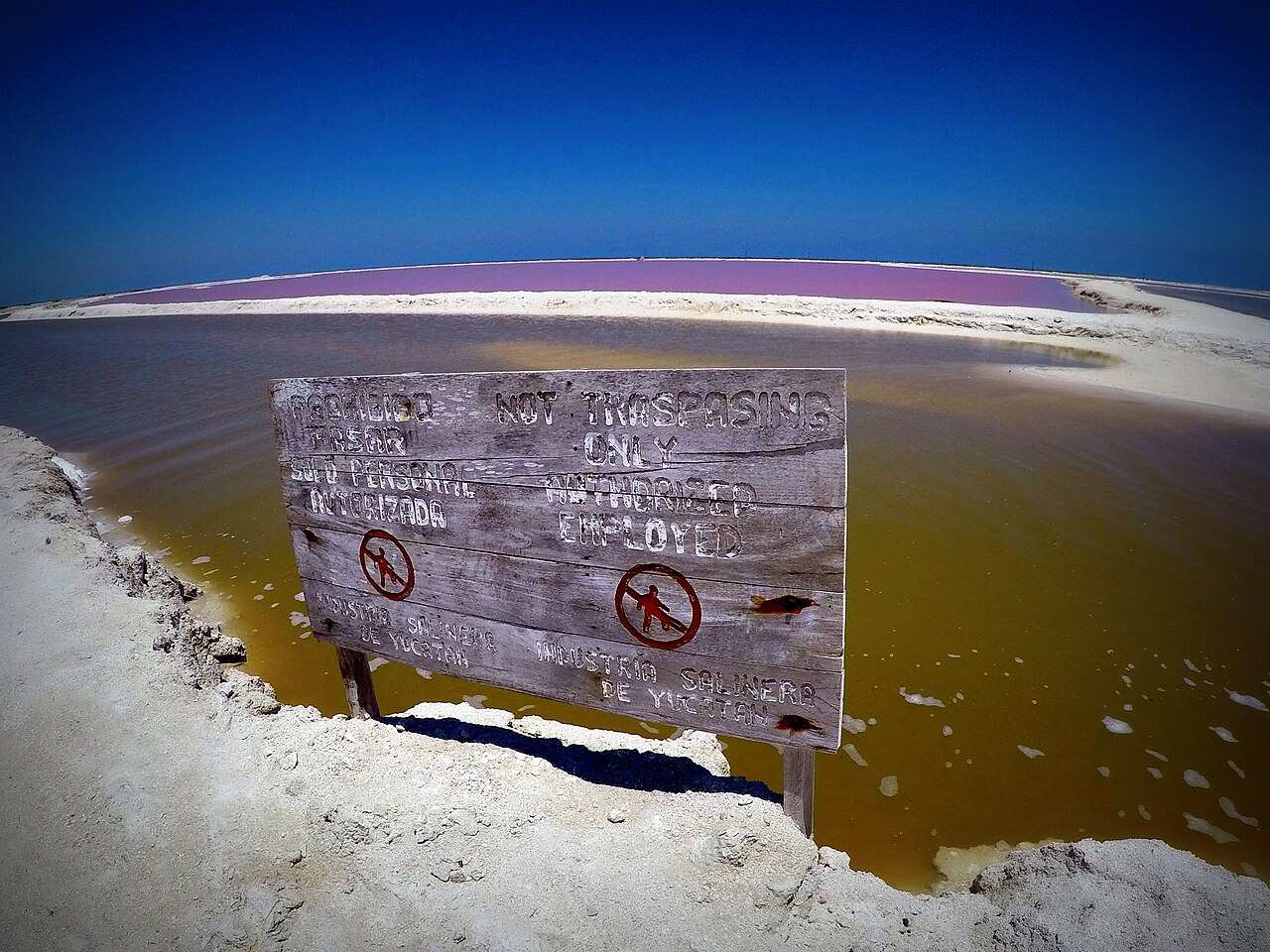 The pink salt ponds of Las Coloradas on Yucatán's north coast
Río Lagartos is a wetland reserve visited by boat. Las Coloradas is associated with salt production and shallow ponds whose colors change with sunlight, water conditions, salinity, and the organisms present. The pink tone can be vivid, subdued, or different from the image in a listing. It is not a swimming attraction, and access is controlled around working areas.
A strong combination tour gives the boat a sensible amount of time and does not treat the reserve as a quick detour before the salt ponds. Ask for the approximate duration of the boat, the order of stops, the local fees, and whether Las Coloradas is a guided visit or only a roadside viewpoint. Ask where lunch fits into the schedule as well.
The route is efficient for a traveler with limited time, but it is not slow travel. If you want to photograph flamingos patiently, eat without rushing, and explore the salt landscape, consider staying overnight. If your only goal is to see a variety of northern Yucatán in one day, the combination can be a sensible sampler.
Browse Las Coloradas and Río Lagartos activities on GetYourGuide · See Río Lagartos experiences on Viator
GuideRio Lagartos & Coloradas: Safari flamingos & crocodiles plusRio Lagartos & Coloradas is a three‑hour eco‑safari in the Yucatán that takes visitors to the pink flamingo and crocodile zones, the lagoons of Las Coloradas, a beach and includes a clay‑exfoliation experience, with an educational component that lets guests interact with local wildlife. The tour is offered by GetYourGuide for $126 USD per person and lasts about three hours; the article does not specify opening hours or how to reach the site, nor does it detail any additional items such as transport or meals that might be included. Participants can expect to see large flocks of pink flamingos, observe crocodiles in their natural habitat, walk along the striking pink lagoons of Las Coloradas, relax on a nearby beach and finish with a clay‑exfoliation treatment. The experience is described as educational, allowing direct interaction with the wildlife. Because the article provides no specific logistical advice, travelers should verify transport arrangements and any timing constraints when booking, and confirm whether the price covers all activities mentioned.Open
Tour format 6: Río Lagartos with a cenote or Ek Balam
Adding a cenote or archaeological site can be tempting when you have only one day near Valladolid. It can also turn a coherent wildlife outing into a long sequence of transfers.
A cenote adds a useful chance to cool down after the coast, but ask for the actual site name and the time allocated. Confirm whether swimming is included, whether life jackets are required, and whether changing facilities exist. A cenote photograph does not tell you whether the site is quiet, managed, crowded, deep, or suitable for every traveler.
Ek Balam is an inland Maya archaeological site near Valladolid. Combining it with Río Lagartos crosses a large area and creates a demanding schedule. Choose this only if variety matters more than depth and you accept that neither the reserve nor the ruins will receive a full, unhurried visit.
If the flamingo boat is the reason for the trip, protect it first. The cenote or ruins should be the flexible addition. If your group is split between wildlife and archaeology, two separate days or an overnight route will usually be more satisfying than squeezing both into a single return journey.
Compare Valladolid day tours that can include cenotes and nearby sights on GetYourGuide · See Valladolid tour options on Viator
GuideEk Balam Guide: Climbing the Acropolis and Swimming Cenote XcanchéA complete guide to visiting Ek Balam in Yucatán: climb the Acropolis for jungle views, see the preserved stucco carvings, and cool off in Cenote Xcanché. Includes entrance fees, transport from Valladolid, and practical tips.Open
What to check in a booking listing
Use the following questions to compare products that otherwise look identical.
Where does the tour start? A Mérida or Valladolid label may describe the destination rather than included pickup. Confirm whether the vehicle collects you at your accommodation, meets at a central point, or requires an extra taxi.
Is the boat included? Some full-day tours include the local boat in the price. Others transport you to the reserve and leave the boat as a separate local purchase. The difference can change the real cost and the amount of coordination you need.
Is it shared or private? “Small group” can mean different things. Ask for the maximum vehicle and boat capacity.
How long is the boat ride? A route described as a flamingo tour may include a brief wildlife stop or a longer loop through mangroves. Look for a duration and route description.
What language is the guiding? Confirm the language of the guide on the boat, not just the language of the booking page.
What happens in bad weather? Wind and rain can change the boat route. A reputable operator should explain rescheduling, cancellation, or substitution rather than pretending conditions cannot affect the day.
What is included at Las Coloradas? Check whether local access, a guide, transport, and viewing fees are covered. Do not assume that a salt-pond visit includes swimming or unrestricted walking.
Is food included? Ask about drinks, vegetarian meals, allergies, and children’s portions. “Lunch included” is not a complete menu description.
What is the return plan? Leave margin after a long nature day. Avoid connecting the excursion to a flight, a train, or an inflexible evening booking.
Best seasons for flamingo tours
Flamingos can be seen in Yucatán throughout the year, but concentrations shift between the western and eastern wetlands. Local sources commonly describe Celestún as strongest from roughly November through March, with larger winter concentrations often associated with the cooler season. Río Lagartos is frequently favored from spring into summer, although the reserve remains a wildlife destination year-round.
 An American white pelican in the Celestún Biosphere Reserve
These are useful planning patterns, not guarantees. A flamingo flock can be farther away on a winter morning than on a summer day. Weather, tide, water levels, food, breeding behavior, and local protection measures all affect what a boat sees.
Winter is a comfortable time for a Celestún day from Mérida, but demand may be higher. Spring and summer can bring stronger heat and rain, so start early and carry a light layer. In the eastern reserve, a local guide can tell you more about current conditions than a generic seasonal promise.
Ask the operator what they do when flamingos are dispersed. The best answer will mention other birds, mangroves, and the wider ecosystem. A promise of a guaranteed count is a warning sign, because no tour operator controls wild animals.
How to get to the reserves
Mérida to Celestún
Celestún is west of Mérida and generally takes around an hour and a half to two hours by car, depending on your starting point, traffic, and stops. An organized tour is the simplest option if you want the boat and return trip coordinated.
A rental car gives you more control over arrival time and beach time, but you are responsible for navigation, parking, fuel, and the return drive. Public transportation can be possible, but services are slower and should be checked close to your travel date. If you are relying on a bus, do not schedule a fixed evening commitment immediately after the boat.
Celestún is on the Gulf coast; Mérida is inland. Plan the day as a change from city to wetland and beach, not as a waterfront excursion within the capital.
GuideMérida to Celestún: Bus, Car, Taxi and Transport OptionsA complete guide to getting from Mérida to Celestún by bus, car, taxi or tour — with costs, travel times, departure points and practical tips for a smooth day trip.Open
Valladolid to Río Lagartos
Río Lagartos is on the north coast, while Valladolid is inland. A complete tour solves the road connection and boat timing. A rental car gives independence, and a private driver avoids navigation, but a driver is not automatically a nature guide. Confirm who will interpret the reserve and who operates the boat.
Public transport may be possible but can be awkward around an early boat departure and a return through Las Coloradas. If you want to use buses, check the current route and final return before committing to a self-guided day.
If you are already traveling toward Tizimín, San Felipe, or El Cuyo, Río Lagartos becomes a natural stop rather than a detour. An overnight stay makes the route calmer and allows you to choose the boat around local conditions.
Where to stay if you want an early boat
A day trip from Mérida or Valladolid works for many travelers, but overnighting changes the wildlife experience. You avoid a large first transfer, can be at the water earlier, and have more room for a weather change or a second attempt. It also lets you experience Celestún or Río Lagartos as working coastal towns rather than only as a boat departure point.
Celestún suits travelers who want a wetland, beach, and a quiet fishing-village evening. Río Lagartos suits travelers who want reserve access, birdwatching, and a small-town north-coast base. Both are quieter than Mérida or Valladolid, and the choice of accommodation and evening services is more limited. Check current facilities, air conditioning, meal options, and cancellation terms before booking.
Check current Celestún accommodation rates on Booking.com · Compare Celestún stays on Trip.com
Check current Río Lagartos accommodation rates on Booking.com · Compare Río Lagartos stays on Trip.com
If you prefer to keep Valladolid as your base, an overnight there gives you access to Río Lagartos, Ek Balam, cenotes, and other eastern routes. It is more convenient for dining and transport, but the coast remains a substantial drive away.
Compare Valladolid hotels on Booking.com · Browse Valladolid stays on Trip.com
What to bring on a flamingo tour
Bring a hat that will stay on in wind, sunglasses, water, light clothing, and a long-sleeved layer for sun protection. Open boats can expose you to strong light even when the morning feels mild. Insect repellent is useful around mangroves, and a dry bag protects phones, passports, wallets, and cameras from spray.
Binoculars are more useful than a phone zoom for respectful wildlife viewing. A camera with a long lens helps photographers accept the distance a good boat should keep. Do not bring large luggage unless the operator has confirmed storage; shared vans and small boats have limited space.
Carry Mexican pesos for small purchases and possible local fees, while checking what the booking already includes. Pack a swimsuit and towel only when your confirmed itinerary includes a beach or freshwater swimming stop. A salt pond is not a swimming area.
Families should carry snacks, any usual motion-sickness medication, and sun protection for children. Ask about life jackets, shade, bathroom access, and boarding conditions before booking rather than assuming that a boat is set up for every age.
Responsible wildlife watching
The best flamingo tour is the one that knows when to stop. Boats should keep a respectful distance, avoid cutting through a flock, and follow the instructions of reserve staff and local crews. A bird that appears close in a photograph may be farther away than it looks.
Do not ask a captain to chase birds for a photograph. Do not feed wildlife, throw anything into the water, play loud music, or use a drone where it is prohibited. Keep voices low in mangrove channels and stay seated when the guide gives that instruction.
Avoid operators who advertise touching, baiting, chasing, or guaranteed unnatural encounters. The reserve is valuable because it is habitat used by birds, fishers, guides, mangroves, and coastal communities. Your booking choices reward either careful observation or disruptive behavior.
The same principle applies at Las Coloradas. Stay on permitted routes, respect barriers around salt production, do not enter the ponds, and do not remove salt or other material. Follow current local instructions even when an older photograph or social post suggests a different access arrangement.
Are flamingo tours good for children?
Yes, if the family understands that wildlife is unpredictable. Children often enjoy the boat, the colors, the beach, and the sense of searching more than a long explanation of wetland ecology. Tell them beforehand that the birds may be far away and that the boat will not chase them.
Celestún is generally easier for a family day from Mérida because the route is more compact and a beach break can divide the experience. Río Lagartos can also work well, particularly with a private vehicle or an overnight stay, but a long combination day may be tiring.
Ask about the boat’s seating, life jackets, shade, and bathroom access. Start early to reduce heat. If anyone gets motion sick, ask whether the route spends more time in open water or sheltered mangroves and bring the family’s usual remedy.
Older travelers and anyone with mobility concerns should ask about dock steps, boarding, walking surfaces, and how long the group remains in the sun. A private vehicle can make road breaks easier, but the boat and dock still need to be assessed separately.
Common booking mistakes
The first mistake is choosing by the word “flamingo” without checking the departure town. A tour from Mérida to Celestún is not the same product as a local boat in Río Lagartos. The second is assuming that a salt-pond visit replaces a wildlife boat. It does not.
Another common mistake is adding too many attractions. Río Lagartos, Las Coloradas, a cenote, and Ek Balam can sound efficient in a title, but they cover a wide area and have different ideal rhythms. A broad sampler is fine if you expect a long day. It is not fine if you want deep birdwatching and relaxed archaeology at the same time.
Do not rely on old prices, opening times, or transport schedules. Fees, departures, access arrangements, and seasonal operations can change. Confirm the current details with the operator, accommodation, or local cooperative shortly before travel.
Do not schedule a flight or an important evening event after the tour. Heat, traffic, loading passengers, rain, and wildlife conditions can all move the return time. Leave a buffer, especially when crossing between inland towns and the coast.
Finally, do not confuse a large flock with a successful tour and a small flock with a bad one. The reserve is not a performance. A careful guide who shows you mangroves, other birds, and the logic of the wetland may provide a better experience than an operator who gets close to one group of flamingos by disturbing them.
A practical choice for different itineraries
For a three- or four-night Mérida stay, choose a Celestún day if you want one coastal nature excursion. Leave Mérida early, take the boat first, eat near the coast, and return without adding a distant inland attraction. This is the cleanest plan for first-time visitors.
For a Valladolid-based itinerary that already includes Chichén Itzá or Ek Balam, choose Río Lagartos only when you can give it most of a day. A dedicated boat is better for wildlife. A Río Lagartos and Las Coloradas combination is better when you want variety and have limited time.
For a longer Yucatán road trip, consider sleeping near the reserve. Celestún can pair with a western coastal route or a return toward Mérida and Uxmal. Río Lagartos can pair with Las Coloradas, San Felipe, El Cuyo, Tizimín, and Valladolid, but do not turn every stop into a same-day obligation.
For a photography trip, choose the reserve that fits your route and book the earliest sensible boat. Ask for patience, distance, seating, and weather flexibility. A private outing may be worth the cost if you want to wait for light, but no booking guarantees a flock in a particular position.
Final recommendation
If you are in Mérida and want the simplest, most balanced flamingo day, book a well-described Celestún tour that includes transport, a proper local boat, mangrove time, and enough space for the coast. If you are in Valladolid or traveling the northern and eastern Yucatán coast, choose Río Lagartos and decide whether you want a focused wildlife boat or a longer Las Coloradas combination.
Go early, confirm the inclusions, carry water and cash, and judge the tour by its treatment of the reserve rather than by a promise of perfect photographs. The pink birds are most impressive when the day leaves them wild.
Flamingo tour checklist
- Choose Celestún from Mérida; choose Río Lagartos from Valladolid or the eastern coast.
- Match the reserve to the season, but treat seasonal patterns as guidance rather than a guarantee.
- Confirm whether transport, the local boat, meals, and access fees are included.
- Ask for the boat duration, group size, route, language, and cancellation plan.
- Choose a dedicated boat for birding and a combination route for variety.
- Start early for cooler conditions and better light.
- Bring water, sun protection, insect repellent, a dry bag, and binoculars if you have them.
- Keep distance from birds and avoid tours that chase, feed, or bait wildlife.
- Leave return-time margin; these are coastal wetland days, not timed theme-park rides.
- Verify current schedules, prices, and access arrangements close to your travel date.
If you choose the reserve that fits your actual route and allow the wetland to set the pace, either Celestún or Río Lagartos can become one of the most memorable nature days in Yucatán.