Printable guide
Cenote Dzombakal Guide: How to Visit from Mérida & What to Expect
Updated
Practical guide to Cenote Dzombakal near San Antonio Mulix, including access from Mérida, swimming conditions, prices, safety, facilities, and how to combine it with Cenote X-Batún.
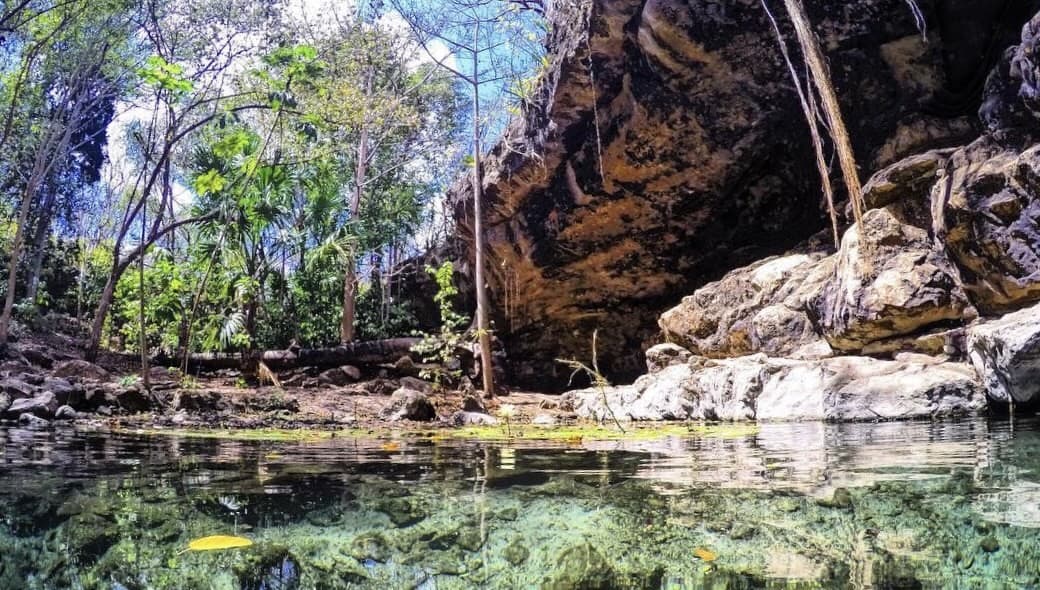
Cenote Dzombakal is a semi-open cenote near the village of San Antonio Mulix, about an hour south of Mérida. It is darker, more enclosed, and more cave-like than neighbouring Cenote X-Batún.
The two cenotes are usually treated as a pair. X-Batún provides the open water, hanging roots, and thick vegetation. Dzombakal offers a lower limestone ceiling, shaded water, and a quieter cavern atmosphere.
Dzombakal is worth visiting when you are already making the journey to San Antonio Mulix. For most first-time visitors, it makes more sense as part of a two-cenote half-day than as the only reason to drive from Mérida.
You may also see the name written as Dzombacal, Dzonbacal, or Dzonbakal. These generally refer to the same cenote.
Semi-open pool and limestone walls at Cenote Dzombakal
Quick visitor summary
| Detail | What to know |
|---|---|
| Location | Near San Antonio Mulix, in the municipality of Umán |
| Drive from Mérida Centro | Approximately 55–70 minutes |
| Cenote type | Semi-open cavern cenote |
| Best for | Cave-like swimming, light snorkeling, quiet mornings, natural cenote visits |
| Less suitable for | Limited mobility, strollers, nervous swimmers, polished facilities |
| Time at Dzombakal | Around 45–75 minutes |
| Time for both local cenotes | Around 2–3 hours |
| Transport | Rental car or private driver is easiest |
| Listed hours | Approximately 9:00 am–5:00 pm; confirm locally |
| Listed price | Around MXN 100 per person; confirm what is included |
| Payment | Bring cash in pesos |
| Combine with | X-Batún, Hacienda Yaxcopoil, Muna, or Uxmal |
Is Cenote Dzombakal worth visiting?
Dzombakal is worth visiting if you like semi-enclosed cenotes and are prepared for a simple rural setup.
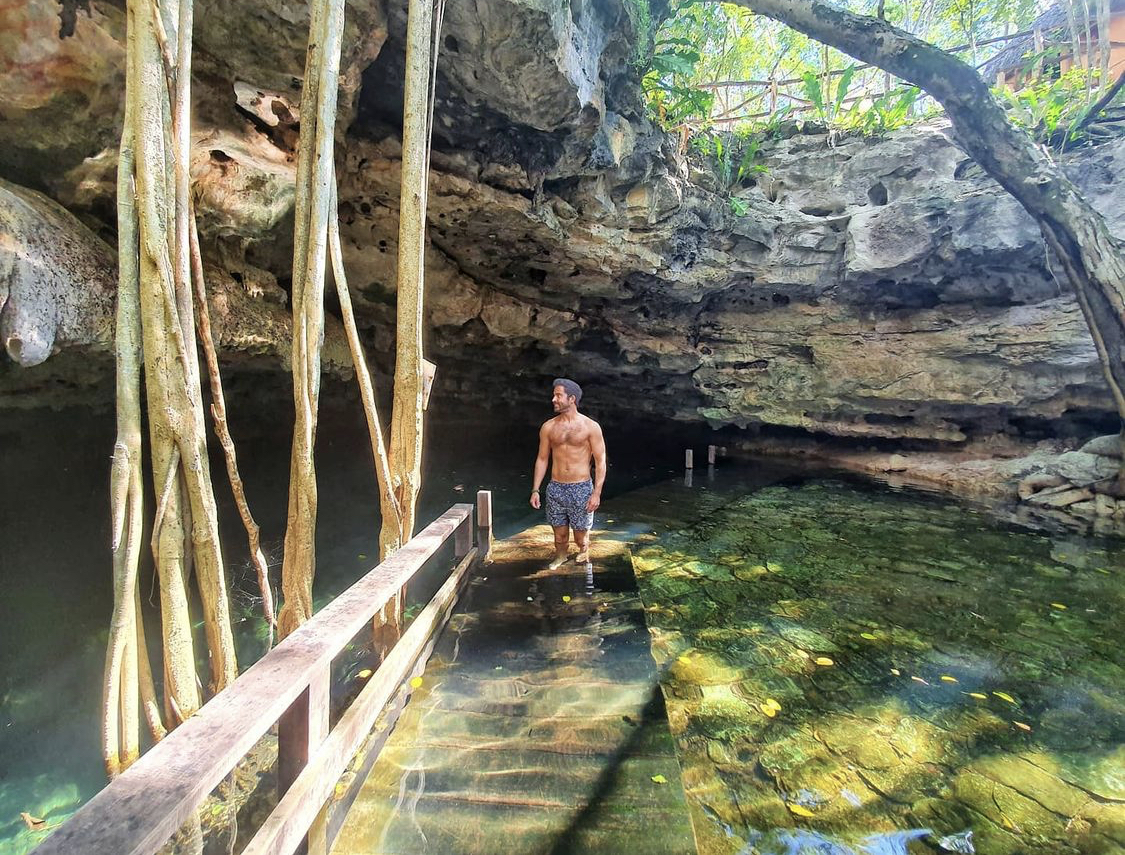
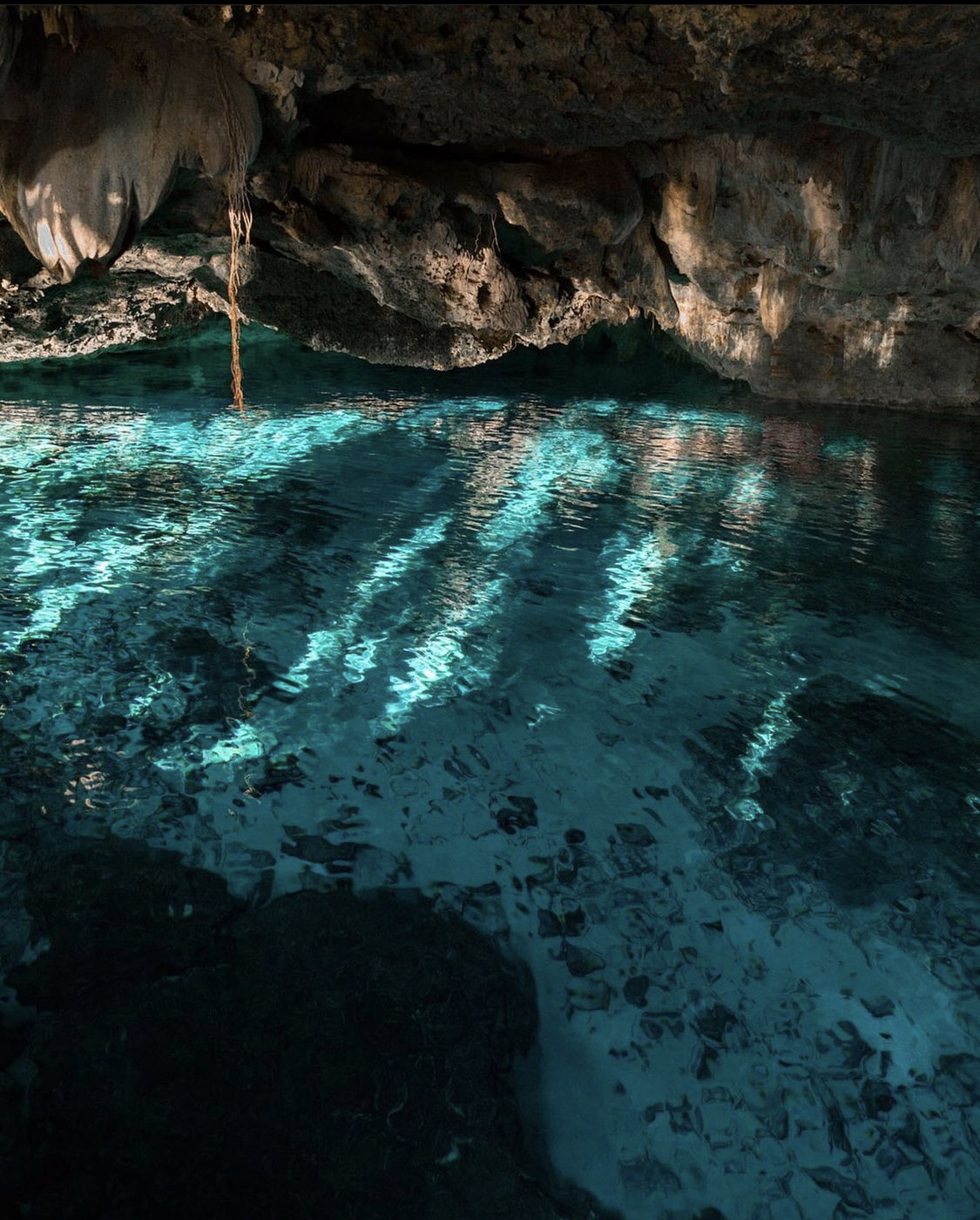
Its appeal comes from the contrast between sunlight entering through the open roof and the darker water beneath the limestone overhang. Roots descend around parts of the opening, while the low cave walls create a more sheltered feeling than an open cenote.
It is particularly suitable for:
- Travelers visiting Cenote X-Batún
- Confident swimmers who prefer cave-like water
- Couples and small groups
- Photographers working with natural light
- Travelers exploring the countryside south of Mérida
- Visitors combining cenotes with Hacienda Yaxcopoil or Uxmal
Dzombakal is less suitable if you need level access, modern changing rooms, a large restaurant, reliable card payment, or a carefully controlled swimming-pool environment.
If you only have time for one of the San Antonio Mulix cenotes, X-Batún is usually the more broadly appealing choice. Choose Dzombakal instead when an enclosed atmosphere matters more than greenery and open sky.
What the cenote is like
Dzombakal is a semi-open cenote reached by descending into a natural limestone cavity. Built steps and a narrow access area lead toward the water.
The pool is partly illuminated from above. Light can reach the shallow edges and sections near the opening, while the water beneath the rock overhang appears darker.
Expect:
- Natural limestone walls
- Hanging roots
- Shallow-looking shelves near parts of the edge
- Deeper water away from the visible ledges
- Darker sections beneath the cavern roof
- Wet steps and uneven surfaces
- Small fish and natural debris in the water
- Basic rather than commercial infrastructure
Do not assume that the whole cenote is shallow because you can see the bottom near the entrance. Depth changes can be difficult to judge, especially where the water passes beneath the rock.
Dzombakal or X-Batún?
The two cenotes are close together but offer different experiences.
| Cenote | Character |
|---|---|
| Dzombakal | Semi-open, shaded, enclosed, cave-like |
| X-Batún | Open, leafy, brighter, surrounded by roots and vegetation |
X-Batún is generally stronger for travelers who want an open natural swimming hole. Dzombakal suits visitors who prefer cavern walls, filtered light, and a more sheltered atmosphere.
Visiting both is the better plan. It gives the trip enough variety to justify the drive from Mérida and shows how different two nearby cenotes can be.
Read our Cenote X-Batún guide before planning the full pair.
How to get there from Mérida
A rental car or private driver is the easiest way to reach Dzombakal.
From Mérida, travel south toward Umán and continue in the direction of Muna and Uxmal. Leave the main road for the route toward Cacao and San Antonio Mulix, then follow the local signs or directions provided at the community entrance.
The final approach is rural. Expect narrower roads, occasional potholes, unpaved sections, and slower local traffic.
Before leaving Mérida:
- Download the route for offline use.
- Fill the fuel tank.
- Carry cash in small peso notes.
- Leave enough daylight for the return.
- Check whether both cenotes are open.
- Avoid relying entirely on mobile signal.
Do not follow an unfamiliar shortcut simply because a navigation app suggests it. Stay on the established approach through the local communities.
By rental car
Driving independently gives you the most flexibility.
A standard rental car is normally sufficient when road conditions are dry, but drive slowly on the final approach. After heavy rain, unpaved sections can become muddy or uneven.
A rental car works particularly well when combining Dzombakal with:
- Cenote X-Batún
- Hacienda Yaxcopoil
- Muna
- Uxmal
- The Ruta Puuc
Do not leave phones, bags, passports, or visible valuables inside the vehicle.
By private driver
A private driver is the easiest option for families, groups, and travelers who do not want to navigate rural roads.
Make clear when booking that the visit involves the cenotes outside San Antonio Mulix rather than only a drop-off in the village. Confirm whether the driver will wait and whether parking or entrance fees are included.
This option becomes more useful when adding Uxmal or Hacienda Yaxcopoil. A driver can keep the day moving without forcing you to manage directions, parking, wet clothes, and return timings.
For the next step, use the Plan hub to compare itineraries, transport and practical resources already available.
Can you visit by public transport?
It may be possible, but it is not convenient.
Regional transport can take you toward Umán, Muna, or communities along the main road. The difficult part is the final connection to San Antonio Mulix and the cenote entrance.
You may need a combination of:
- Regional bus or colectivo
- Local taxi
- Mototaxi
- Bicycle
- Walking
The return journey is the greater concern. Local connections may not run frequently, and mobile signal may be unreliable when you need to call a vehicle.
This is not the best option if you are short on time. Travelers without a car will usually have an easier day with a tour or arranged driver.
Arrival, tickets, and the final approach
Expect a modest community entrance rather than a formal visitor centre.
The current local arrangement may involve:
- Paying at a booth or community entrance
- Receiving directions to both cenotes
- Continuing along a rural track
- Parking near one of the access points
- Walking or cycling between areas
- Collecting life jackets
- Using basic bathrooms or changing spaces
Ask what your payment includes before continuing.
Useful questions include:
- Does the entrance cover both Dzombakal and X-Batún?
- Are life jackets included?
- Are bicycles available?
- Are both cenotes open today?
- Where should the car be parked?
- What time does the final access close?
- Are bathrooms and changing areas available?
- Is there somewhere to buy water?
The Yucatán state tourism directory currently lists the San Antonio Mulix cenote experience at approximately MXN 100 per person, with daily hours of roughly 9:00 am to 5:00 pm. Treat this as planning guidance rather than a guaranteed rate.
Prices, rentals, opening arrangements, and included services can change. Bring more cash than the expected admission price and do not depend on card payment.
Swimming at Dzombakal
Enter slowly and allow your eyes to adjust to the darker sections.
The water can look very shallow near the visible limestone shelves. Farther beneath the overhang, the bottom may become difficult to judge. Wear a life jacket whenever required or whenever swimming confidence is limited.
Light snorkeling can be worthwhile when the water is clear. Bring your own well-fitting mask if snorkeling is important to you, as rental availability and equipment condition can vary.
Remain within the normal visitor swimming area. Do not enter underwater passages or continue into dark submerged spaces.
Cave diving is a technical activity requiring specialist training, equipment, permits, and local knowledge. Ordinary swimmers should not attempt to explore the deeper system.

Safety
Dzombakal is a natural body of water rather than a regulated swimming pool.
Use basic caution:
- Wear a life jacket when required.
- Keep children within reach.
- Walk slowly on wet steps.
- Do not dive or jump without explicit local permission.
- Do not swim into dark cave sections.
- Do not climb on roots or limestone formations.
- Do not enter closed or roped-off areas.
- Avoid swimming alone.
- Do not assume a lifeguard is present.
- Avoid alcohol before entering the water.
- Leave before the rural roads become dark.
The access area can feel confined when several people arrive together. Wait for space on the stairs rather than pushing past other visitors.
Is Dzombakal suitable for children?
It can work for older children who are comfortable in natural water and will wear a life jacket.
Parents should consider:
- The descent into the cavern
- Wet and uneven steps
- Variable water depth
- Limited room near the entrance
- Darker water beneath the overhang
- Basic bathroom facilities
- The absence of a controlled pool edge
This is not a stroller-friendly visit. Babies and toddlers may be easier to manage at a more developed cenote park.
Children should never be left to explore the shallow-looking edges independently. The transition from shelf to deeper water may not be obvious.
Accessibility
Dzombakal is not a strong choice for travelers with limited mobility.
The visit involves a rural approach, uneven ground, a descent into the cenote, wet surfaces, and narrow areas beside the water. Wheelchair access should not be expected.
Travelers who need handrails, level changing areas, or easy vehicle-to-water access should choose a more developed cenote.
Facilities
Facilities are simple and availability can change.
Depending on the current setup, the community may offer:
- Bathrooms
- Changing areas
- Life jacket rental
- Snorkeling equipment
- Bicycle rental
- Rustic shelters
- Camping arrangements
- Simple food or drinks
- Local guidance
Do not build the day around finding a full restaurant at the cenotes. Carry drinking water and a light snack, then plan a proper meal in Mérida, Muna, or another confirmed stop.
What to bring
Pack lightly but bring the essentials:
- Cash in pesos
- Small bills
- Swimsuit
- Towel
- Dry clothes
- Water
- Water shoes or secure sandals
- Life jacket for a child if you prefer using your own
- Snorkel mask
- Waterproof phone pouch
- Hat
- Rash guard
- Insect protection for before and after swimming
- Plastic-free bag for wet clothing
- Offline maps
Avoid loose flip-flops on wet steps. Footwear with a secure heel or strap is easier.
Protecting the cenote
Cenotes form part of Yucatán’s groundwater system.
Before entering, avoid applying:
- Sunscreen
- Insect repellent
- Perfume
- Body oil
- Makeup
- Hair products
- Soap
Use the shower when one is provided. A rash guard and hat are better than applying a fresh layer of sunscreen immediately before swimming.
Do not leave food, bottles, cigarette ends, or plastic near the water.
Best time to visit
Weekday mornings are usually the easiest time.
Arriving early gives you:
- Cooler temperatures
- Fewer swimmers
- More room on the access steps
- Clearer water before sediment is disturbed
- Better control over photography
- More time to visit both cenotes
- A daylight return to Mérida
Weekends and public holidays can be busier with local families. Dzombakal is not a large pool, so even a moderate group can make it feel crowded.
Rainy season brings greener vegetation but also mosquitoes, mud, slippery paths, and a greater chance of afternoon storms.
After heavy rain, check current access before leaving Mérida.
How long to spend
Allow 45–75 minutes for Dzombakal itself.
A realistic plan is:
| Plan | Time needed |
|---|---|
| Dzombakal only | 45–75 minutes |
| Dzombakal and X-Batún | 2–3 hours on site |
| Half-day from Mérida | 5–6 hours |
| Cenotes and Hacienda Yaxcopoil | 6–8 hours |
| Uxmal and both cenotes | Full day |
Do not schedule a fixed appointment immediately after the trip. Rural roads, changing clothes, entrance arrangements, and swimming time can make the return less predictable.
A simple half-day from Mérida
Leave Mérida between 7:30 am and 8:30 am.
A practical order is:
- Drive to San Antonio Mulix.
- Confirm the price and access for both cenotes.
- Visit X-Batún.
- Continue to Dzombakal.
- Change into dry clothes.
- Return toward Mérida for lunch.
This is the easiest version for most visitors.
Travelers who particularly want a quiet cavern swim can reverse the order and visit Dzombakal first. Confirm the local route between the two before setting out.
Combining Dzombakal with Hacienda Yaxcopoil
Hacienda Yaxcopoil is the most natural cultural addition.
The combination provides a manageable look at two sides of inland Yucatán:
- Former henequen estates
- Small rural communities
- Hacienda architecture
- Cenote swimming
- The countryside south of Mérida
Visit the cenotes first when quiet water is the priority. Visit the hacienda first if its opening hours are more restrictive.
Allow most of the day rather than trying to rush both places into a narrow morning.
Combining Dzombakal with Uxmal
Uxmal and the San Antonio Mulix cenotes can work as a full-day trip.
The sensible order is:
- Leave Mérida early.
- Reach Uxmal near opening time.
- Explore the archaeological site before the strongest heat.
- Stop for lunch or a light meal.
- Swim at X-Batún and Dzombakal.
- Return to Mérida before dark.
Do not add several Ruta Puuc sites unless your group is comfortable with a long and tightly managed day.
For a ruins-focused route, read our Ruta Puuc visiting guide. For a relaxed cenote day, save Uxmal for another morning.
When to skip Dzombakal
Choose another cenote when:
- You need easy public transport.
- Someone in the group cannot manage steps.
- You are uncomfortable in enclosed spaces.
- You want resort-style facilities.
- You only have a short late-afternoon window.
- Heavy rain has affected rural access.
- Your children need a controlled pool environment.
- You are expecting a large open swimming area.
Dzombakal is best approached as a quiet rural cenote, not as a polished attraction.
Frequently asked questions
Is Cenote Dzombakal open every day?
The state tourism directory lists daily access, generally from about 9:00 am to 5:00 pm. Community operations can change, so confirm locally and avoid arriving close to closing time.
How much does it cost?
Current official tourism guidance lists an approximate price of MXN 100 per person for the San Antonio Mulix cenote experience. Ask whether the payment includes both Dzombakal and X-Batún, as well as any life jacket or bicycle rental.
Can you pay by card?
Do not depend on card payment. Bring cash in pesos and carry small bills.
Is Dzombakal fully underground?
No. It is normally described as semi-open. Part of the pool receives daylight through the opening, while other sections sit beneath the limestone roof.
Is it suitable for non-swimmers?
Non-swimmers should use a life jacket and remain close to the normal entrance area with a confident companion. Do not assume that visible shallow shelves continue across the pool.
Can children visit?
Yes, with close supervision. The stairs, wet rock, darker water, and changing depth make it more suitable for children who can follow instructions and wear a life jacket.
Can you snorkel?
Light recreational snorkeling may be possible when visibility is good. Bring your own mask if snorkeling matters to you.
Can you dive?
Technical cave diving is separate from ordinary visitor swimming and requires specialist qualifications and local arrangements. Recreational visitors should not enter underwater passages.
Can you visit without X-Batún?
Yes, but the journey is better value when both cenotes are open. Dzombakal alone is a relatively short visit.
How far is it from Mérida?
Plan approximately one hour each way from Mérida Centro, allowing more time for city traffic and the final rural approach.
Bottom line
Cenote Dzombakal is a worthwhile semi-open cenote for travelers already visiting San Antonio Mulix.
Choose it for shaded water, limestone walls, hanging roots, and a quieter cavern atmosphere. Pair it with X-Batún to make the drive from Mérida more worthwhile.
A rental car or private driver makes the trip much easier. Go in the morning, bring cash, confirm that both cenotes are open, and do not depend on polished facilities.
Skip it when your group needs level access, frequent public transport, or a controlled swimming-pool environment.
Image notes
The principal Dzombakal photographs are served by TOP Yucatán and credited by that publication to Instagram contributors loulouaja, carlosdmj, marianablando1, and offthebucketlist_.