Printable guide
Chelem, Yucatán: Complete Travel Guide to the Beach and Mangroves
Updated
A practical guide to Chelem, Yucatán: how to reach this fishing village from Mérida and Progreso, what to do on the Gulf beach, how to explore the lagoon and mangroves, and when to stay overnight.
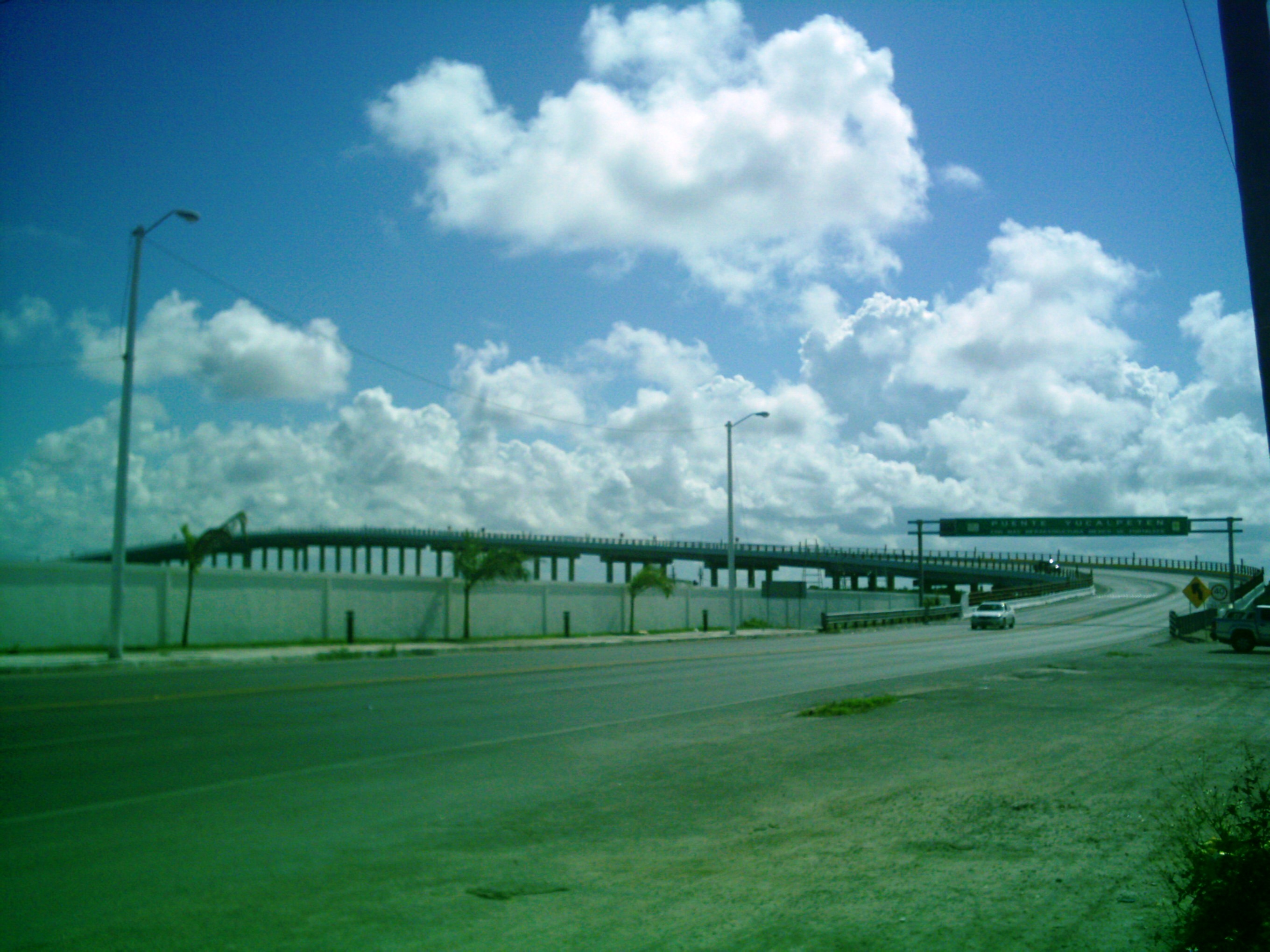
Chelem is for travelers who want the Yucatán coast without making Progreso their whole experience. The small fishing port sits west of Progreso, between the Gulf beach and the lagoon-and-mangrove landscape around Yucalpetén. It is close enough to Mérida for a day trip, but its pace is better suited to an overnight stay: mornings on the sand, a slow lunch, a lagoon outing when conditions allow, and evenings when the village becomes quieter than the bigger port to the east.
This is not a polished resort town. Streets, beach access points, rentals, and services change over time. The appeal is the combination of a working coastal community, wide beach, shallow Gulf water, and wetlands that make the area more interesting than a simple sun-and-swim stop. If you need a large choice of nightlife, dependable urban transport, or a full-service resort, stay in Mérida or Progreso instead. If you are happy to plan around weather and arrange your return transport, Chelem can be one of the easiest ways to add a few calm coastal days to a Yucatán itinerary.
Quick answer: is Chelem worth visiting?
Yes, if you are already based in Mérida or Progreso and want a quieter beach, a short coastal escape, or access to lagoon scenery. Chelem works particularly well for travelers who enjoy small towns, swimming, birdwatching, rental houses, and unhurried days. It is also a useful base for exploring the nearby ports toward Chuburná Puerto.
It is less suitable if you are looking for Caribbean-style snorkeling, a dense historic center, or a destination where every activity can be booked at the last minute. The Gulf coast here is not a reef destination. Visibility, sea conditions, seaweed, wind, and water color vary. The best plan is to treat the beach as one part of the visit and keep the lagoon, Yucalpetén, Progreso, or a nearby coastal port available as alternatives.
| Question | Practical answer |
|---|---|
| Best for | Beach time, small-town atmosphere, lagoon scenery, relaxed weekends |
| From Mérida | Commonly reached by road through Progreso; allow extra time for traffic and local stops |
| From Progreso | A short westward connection through Yucalpetén; confirm the current local route before travelling |
| Ideal length | One full day for a taste; two or three nights for a slower coastal break |
| Best transport | Rental car, taxi, or pre-arranged ride; public transport requires more patience |
| Main drawback | Services and transport are more limited than in Mérida or Progreso |
| Good combinations | Progreso, Yucalpetén, Chuburná Puerto, Sisal, or a Mérida stay |
Chelem, Yucatán beach and coastal village
Where Chelem is and what the landscape is like
Chelem is a coastal locality in Progreso Municipality on the north coast of Yucatán. The village is part of a narrow chain of ports and beach settlements running west from Progreso toward Chuburná Puerto and, farther on, Sisal. The Gulf of Mexico is on the north side. To the south are low coastal wetlands, the Chelem lagoon system, roads, houses, and the port facilities of Yucalpetén.
That geography explains the character of the place. Chelem is not a town organized around a monumental plaza or a large urban promenade. Its orientation is coastal: the beach, small streets, fishing activity, seasonal homes, rentals, and lagoon access matter more than formal sightseeing. You may see boats, nets, modest houses, holiday properties, and stretches where the village feels almost rural. The scenery is flat and open, so shade and the angle of the sun have a real effect on comfort.
Yucalpetén is especially important to understand. The state government describes it as a sheltered port inaugurated in 1968, developed to protect fishing vessels and support maritime industry. It includes areas for fishing boats, a marina, and water-sports facilities in the lagoon and open sea. It is only a few kilometres west of Progreso, and Chelem lies beyond it. In practice, a Chelem visit often includes movement through this working port rather than a clean boundary between separate tourist zones.
The name Chelem is often explained through Maya-language references to a magpie or a characteristic coastal plant. You do not need to settle on one translation to appreciate the useful point: this is a place shaped by local ecology and fishing, not a destination created solely for visitors. Be respectful around boats, docks, private homes, and working areas. Ask before photographing people, vessels, or catches.
How to get to Chelem from Mérida
The simplest independent option is to drive from Mérida toward Progreso and then continue west through the coastal settlements. The road journey is straightforward in broad terms, but the final time depends on where in Mérida you start, traffic on the approach to Progreso, weekend demand, and whether you stop along the way. Do not build a tight airport connection or archaeological-site schedule around an optimistic map estimate.
A rental car gives you the most control. It makes it easier to carry water, beach supplies, and luggage, and it allows you to continue to Chuburná Puerto or return to Progreso without waiting for a local connection. The tradeoff is that you need to choose parking carefully and avoid leaving valuables in the vehicle. Use well-lit, sensible places and do not block residential entrances, boat access, or beach lanes.
A taxi or private driver is more comfortable for a group, especially if you want a round trip from Mérida without renting a car. Agree on the return plan before leaving Mérida. A one-way ride may be easy to arrange while a late return from Chelem is less certain. Ask whether the driver will wait, what happens if your timing changes, and whether the destination is Chelem village, a specific rental, Yucalpetén, or Chuburná Puerto. Those distinctions matter along the coast.
Public transport can work, but it is a route rather than a single seamless tourist service. Travellers commonly use the Mérida–Progreso connection and then find a local connection onward. Departure points, frequency, payment methods, and the final stop can change, so verify them locally on the day. Chelem is not the place to assume that the last vehicle will still be available after a long lunch or sunset walk. If you are travelling with luggage, children, mobility equipment, or a strict return time, a car or pre-arranged ride is less stressful.
For a booked excursion, check the exact pickup area before paying. A listing that says Progreso may not include pickup in Chelem, and a Chelem activity may meet near Yucalpetén rather than at your accommodation. Compare current coastal activity options on GetYourGuide's Chelem listings and Viator's Yucatán activity inventory, then confirm the meeting point, transport, language, weather policy, and what is actually included.
Visiting for one day or staying overnight
A day trip from Mérida makes sense when you mainly want a beach walk and swim. Leave enough time for the return, and start earlier than you think if you are travelling on a weekend or holiday. A useful day plan is to arrive in the morning, walk the beach and village, have lunch, and choose either a lagoon activity or a slow return through Progreso. Trying to combine Chelem, Progreso, a cenote, and a distant coastal reserve in one day usually produces more driving than enjoyment.
One night changes the experience. You can swim or walk before the strongest midday heat, watch the coast change in the late afternoon, and eat without treating every activity as a race against the final return vehicle. Two or three nights suit travelers who have rented a house or apartment and want beach time rather than a sightseeing checklist. The village is also easier to understand when you see both its active daytime side and its quieter evening rhythm.
Stay overnight if you value space, cooking facilities, a private terrace, or the ability to make your own weather decisions. Stay in Progreso if you want more transport choices, a busier waterfront, and easier access to larger services. Stay in Mérida if Chelem is only one of several day trips and you prefer not to move luggage.
For current availability, compare Chelem accommodation on Booking.com and Chelem hotels on Trip.com. Listings may include apartments, villas, and small properties rather than conventional hotels. Read the location details carefully: “near Chelem” can mean along the coast, in Yucalpetén, or toward Chuburná, and those locations are not interchangeable if you are relying on walking or local transport.
The beach: what to expect
Chelem’s beach is the main reason many visitors come. The coast is broad, sandy, and generally more relaxed than the central waterfront in Progreso. Water conditions can be gentle, but the Gulf is not static. Wind changes the surface, storms affect swimming, and shallow water can extend a long way from shore. Check the conditions when you arrive rather than assuming a photograph or yesterday’s report describes the beach today.
A beach day here is best approached simply. Bring drinking water, sun protection, a hat, and something to sit on if your accommodation does not provide it. Shade may be limited in some areas. Reef shoes are optional and depend on the conditions, but do not walk on marine life or collect shells and wildlife. Keep an eye on children in shallow water: a low depth does not eliminate waves, currents, heat, or slippery ground.
Weekdays are usually the calmer choice for travelers who want space. Weekends, school holidays, and Mexican public holidays bring more local visitors and seasonal residents. That is not a negative; it is part of the coast’s social life. It simply means that parking, beach access, and lunch can take longer. Arrive earlier, carry what you need, and allow time rather than expecting a quiet beach in every season.
Swimming is more realistic here than snorkeling. The Gulf beach near Chelem does not offer the coral-reef experience associated with the Caribbean coast. If your priority is underwater visibility and reef life, choose a different destination. If your priority is a warm, shallow swim followed by a beach walk and a seafood lunch, Chelem is much better aligned with your expectations.
 Chelem beach and Gulf water on the Yucatán coast
The coast is also vulnerable to storms and erosion. Weather can alter beach conditions and access, and a property or road may be affected even when Mérida feels dry and calm. During the Atlantic hurricane season, follow official weather information and local instructions. Do not enter the water or drive through flooded areas to preserve a pre-set itinerary.
A slow walk through the village
The village itself rewards observation more than a list of monuments. Walk at a considerate pace and notice the contrast between working homes, seasonal properties, small shops, beach lanes, and the road toward the lagoon. The center and church are useful orientation points, but Chelem’s identity is spread through its streets rather than concentrated in one grand attraction.
You may see people preparing boats, repairing equipment, selling seafood, or moving between homes and the water. These are not performances for visitors. Buy from local businesses when you can, pay attention to posted rules, and ask before taking close photographs. A few words of Spanish help: “¿Puedo tomar una foto?” is a better opening than raising a camera without asking.
A local walk is most comfortable in the morning or late afternoon. Midday heat reflects from sand and concrete, while shade can be inconsistent. Wear shoes suitable for uneven pavement and sandy shoulders. If you are staying in a rental, ask the host which roads are comfortable after dark and which route is best for your return. Local knowledge is more useful than a generic map pin when streets are quiet or drainage is poor after rain.
 Catholic church in Chelem, Yucatán
The annual local festival is associated with the Virgen de la Medalla Milagrosa and is traditionally held in August, but dates and programming should be confirmed locally. If you visit during a festival or holiday, expect a different atmosphere: more families, music, temporary stalls, changed traffic, and fuller accommodation. That can be a reason to visit, but it is not the right time if your only goal is an empty beach.
Yucalpetén and the lagoon side
Yucalpetén is not simply a scenic photo stop. It is a functioning sheltered port with fishing, marina, industrial, and recreational uses. The lagoon side gives the area a different mood from the open Gulf beach: calmer water, boat channels, low vegetation, and a working maritime landscape. It can be worthwhile for a walk or as the meeting point for a boat or paddling activity, provided you stay in public areas and follow local directions.
Water sports and small-boat outings depend on wind, tides, operator availability, and local conditions. Do not assume that a calm lagoon guarantees a departure. Confirm the exact meeting place, duration, safety equipment, minimum numbers, and weather cancellation terms. If you are booking a package, use current listings rather than relying on an old social-media post. GetYourGuide's Chelem activity page is a starting point for checking what is currently listed, while Viator's Progreso inventory may show nearby options.
The state government notes that Yucalpetén has facilities for water sports in the Chelem lagoon and open sea. That does not mean every visitor can rent every craft at every hour. Availability is seasonal and local. For independent paddling, ask about launch points, wind exposure, life jackets, shallow areas, and whether a guide is required. Mangrove channels are easy to enter incorrectly, and a wildlife-rich wetland should not be treated like an amusement park.
Birdwatchers can look around the lagoon and coastal edge for herons, gulls, terns, shorebirds, pelicans, and other species, with seasonal variation. Early morning is the best general window for heat and activity. Use binoculars if you have them, keep a quiet distance, and avoid playback or approaching nests. If birdwatching is central to your trip, hire a guide who knows the local routes rather than expecting the busiest beach access to provide the best sightings.
Mangroves, wildlife, and responsible outings
The mangrove landscape is one of Chelem’s strongest reasons to do more than swim. Mangroves protect low coastal areas, shelter young fish and other wildlife, and form a transition between land and lagoon. Their roots, channels, mud, and changing water levels create a place that needs careful handling. A kayak, canoe, or small boat can offer a close view, but only if the route and conditions are appropriate.
Choose an operator that provides flotation equipment, explains the route, and respects wildlife. Ask whether the outing is in the Chelem lagoon, Yucalpetén, or another nearby wetland. Those names may be used loosely in promotional material, while the actual meeting point can be elsewhere. Ask how long you will be on the water and whether the activity is suitable for your group’s swimming ability and comfort in sun.
Do not touch mangrove roots, chase birds, feed animals, or leave plastic behind. Sunscreen, snacks, and phone cases should be secured before boarding. Take only photographs. If a route is closed or water levels make it unsafe, accept the change. The best guide is often the person who cancels an outing rather than forcing it through bad weather.
Chelem is not the same as Río Lagartos or Celestún. Those destinations have larger, better-known protected wetland landscapes and established wildlife tourism. Chelem’s advantage is convenience from Mérida and the possibility of combining a lagoon outing with a beach day. Its disadvantage is that wildlife encounters are less predictable and the infrastructure is smaller. Choose Chelem for an accessible coastal nature experience, not because it guarantees a particular animal or a giant flamingo flock.
What to eat and how to plan meals
Food in Chelem is closely connected to the coast, but availability varies by season and day of the week. Seafood is the obvious choice when local businesses are open, while simple Yucatecan dishes may also appear. Rather than building an itinerary around a restaurant name that may change ownership or hours, ask your accommodation host or a local shopkeeper what is serving that day.
For a day trip, carry water and a small backup snack. Beach hunger arrives earlier than expected in the heat, and a quiet coastal settlement may not offer a long row of open options at the exact moment you want lunch. If you are renting a house, confirm whether the kitchen has cookware, drinking-water arrangements, a refrigerator that works reliably, and a nearby place to buy essentials. Do not assume a rental near the beach is also near a full grocery selection.
Order according to the conditions of the day. Seafood should be handled and stored properly; if a place looks poorly maintained or food has been sitting in the heat, choose something else. Travelers with allergies should communicate clearly in Spanish and carry a written translation if necessary. The practical goal is not to find the most famous meal but to eat safely, locally, and without turning a small town into a restaurant hunt.
Progreso offers a wider range of services and can be a useful fallback for a late meal, supplies, or a change of plan. If you are staying in Chelem, decide whether you want to eat locally or return to Progreso before you become tired and hungry. The distance is manageable by car but less convenient if you are waiting for a ride.
Where to stay in Chelem
The local accommodation mix includes small hotels, guesthouses, apartments, villas, and seasonal homes. A rental can be excellent for a family or group that wants a kitchen and several beach days. A small hotel may be easier for a short visit if you prefer reception support and do not need to cook. The right choice depends less on a star rating than on location, transport, water, electricity, shade, and the exact relationship to the beach or lagoon.
Read recent reviews for information about road noise, construction, water pressure, air-conditioning, mosquito screens, Wi-Fi, parking, and whether the beach is directly accessible or merely nearby. In a low coastal settlement, a property can be close on a map but awkward to reach with luggage, especially after rain. Confirm check-in instructions and late arrival arrangements before travelling.
If you do not have a car, prioritize a property where the host can explain local transport and arrange a reliable arrival. If you have a car, ask about secure parking and whether access is narrow. If you are travelling with children, ask about pools, balconies, stairs, beach conditions, and the distance to food. If you are travelling in the hottest months, air-conditioning is more than a luxury; it can determine whether everyone sleeps.
Compare current Chelem stays on Booking.com with Trip.com's Chelem hotel list. Use the map and the written property description together. A listing may use Chelem as a broad destination label even when it is closer to Yucalpetén or Chuburná. Confirm the municipality and beach access directly with the property before paying a non-refundable rate.
A practical two-day Chelem plan
Day one: arrive and settle into the coast. Leave Mérida with enough time for traffic and check-in. After dropping your bags, walk the local streets while the sun is still manageable, then spend the later afternoon on the beach. A sunset walk is a good first introduction because it lets you see the shoreline without asking the hottest part of the day to do everything. Keep dinner flexible and buy breakfast supplies if you are staying in a rental.
Day two: choose the water that suits the weather. If the Gulf is calm, swim early and return for breakfast or a shaded break. If the sea is windy, shift your attention to the lagoon side or a pre-arranged paddling or boat outing. Spend the middle of the day slowly: lunch, reading, a nap, or a short village walk. Later, visit Yucalpetén or continue toward Chuburná Puerto if your transport is reliable. Do not add a distant attraction merely to fill the schedule.
If you have a third day, use it as a weather reserve. Coastal travel improves when one day is not over-programmed. You might repeat the beach at a different tide, arrange a longer lagoon activity, visit Progreso for supplies and its busier waterfront, or make a separate excursion toward Sisal. The point of staying in Chelem is to have room to adjust.
Chelem, Progreso, or Chuburná Puerto?
Choose Chelem when you want a beach-and-lagoon base with a village feel, rental options, and a quieter rhythm. It is a good middle ground: more local and less concentrated than Progreso, but more convenient for a short coastal escape from Mérida than the farther western ports.
Choose Progreso when transport, restaurants, public waterfront space, and a larger range of services matter most. Progreso is the easier first coastal stop for many visitors, especially those arriving by bus or cruise excursion. Its beach and malecón are more active, and its port character is more visible. You can still explore nearby Chelem from Progreso if you arrange the onward connection.
Choose Chuburná Puerto when you want to continue west toward a quieter, more open coastal setting and are prepared for fewer services. It can pair naturally with Chelem, but do not assume you can walk the entire stretch comfortably in beach weather. Use a car or pre-arranged transport if you want to move between them.
Chelem beach and a boat on the Yucatán coast
 Chelem pier on the Yucatán coast
Nearby places to combine with Chelem
Progreso is the obvious combination. Its waterfront, shops, beach facilities, and transport connections make it useful at the start or end of a Chelem stay. If you have not visited the main port before, give it its own time rather than treating it only as a transfer point. The Progreso beach guide is useful for deciding how much of the day belongs there.
Yucalpetén is the closest landscape change. The sheltered port and lagoon side are worth considering when you want boats, water activity, or a working-maritime view rather than another stretch of open beach. Treat operational areas as workplaces and follow signs or local directions.
Chuburná Puerto extends the coastal road west. It is a reasonable next stop for a longer beach day or for travelers interested in mangrove and lagoon activities. Some excursions advertised for the wider coast use a meeting point in Chuburná rather than Chelem, so check the precise pickup location. The Chuburná and nearby islands guide explains why the western coast deserves more time than a quick photo stop.
Sisal is a separate destination rather than a casual add-on. It lies farther west and works better as its own day or overnight plan, especially if you want mangroves and a port town with a distinct character. Do not promise a direct, simple public-transport connection without checking current routes.
Celestún is better known for major wetland and flamingo excursions. It can be reached as a substantial day trip by car, but combining it with a relaxed Chelem visit in one day is poor planning. Choose one coastal zone and give it enough time. For current activity inventory, compare Celestún tours on GetYourGuide and see Viator's Celestún options before deciding whether a booked outing fits your route.
Weather, seasons, and timing
Yucatán is hot for much of the year. The coast can feel more comfortable than inland Mérida when a breeze is moving, but sun exposure remains strong. Start outdoor activities early, take a proper midday break, and drink more water than you would at home. Cloud cover does not remove the need for sun protection.
The rainy season can bring sudden showers and dramatic skies. A shower does not necessarily ruin the day, but lightning and wind change the safety calculation for swimming and boating. Keep a dry layer and protect phones, passports, and cameras. Ask local operators whether a lagoon trip is running rather than relying on a booking confirmation made before the weather changed.
The coast can also be affected by tropical systems and hurricanes. Monitor official forecasts during the relevant season and take evacuation or closure notices seriously. Do not sleep in a beachfront rental if local authorities advise moving inland. A flexible reservation and a clear departure plan are worth more than a perfect-looking weather forecast from a week earlier.
High season brings more seasonal residents and demand for rentals. Book early if you need a particular house, pool, accessibility feature, or weekend. The quietest possible beach is not always the most culturally interesting time to visit; local holidays and weekends are when the coast is most alive. Decide whether you want solitude or atmosphere, then plan accordingly.
Accessibility and family considerations
Chelem can work for families, but the responsibility sits more with the traveler than in a resort complex. Confirm the actual path from the property to the sand, the availability of shade, and the distance to bathrooms and food. Sand, uneven shoulders, heat, and shallow water can all be tiring. Bring supplies for the whole beach period rather than assuming a shop is immediately nearby.
For older travelers or anyone with limited mobility, ask accommodation hosts about steps, pavement, parking, and bathroom layout. “Beachfront” does not guarantee a firm accessible path. A private vehicle or pre-arranged taxi is generally easier than combining several local connections. If you want a boat outing, ask about boarding conditions and whether the operator can accommodate your group safely.
Children should stay within arm’s reach in the water when appropriate, even if it looks calm. Set a meeting point if your group spreads out, keep phones charged, and avoid letting children wander into boat or dock areas. A quiet town can feel safe and still contain working vehicles, water, open lots, and unfamiliar routes.
Money, connectivity, and basic preparation
Carry a small amount of cash in Mexican pesos for local purchases and transport, while keeping money distributed rather than in one beach bag. Card acceptance varies. Do not expect every small business, driver, or activity operator to accept the same payment method. Ask about cancellation and deposit terms before handing over money for a boat or rental.
Mobile service may be adequate but should not be your only navigation plan. Download the route and accommodation details before leaving Mérida. Save the host’s number and meeting instructions. If you are going to a lagoon or mangrove outing, screenshot the starting point and the operator’s contact information. A dead battery is especially inconvenient when the return vehicle is not obvious.
Pack light but deliberately: swimwear, a towel, sandals or shoes for uneven ground, a hat, sunscreen, insect repellent for the lagoon side, refillable water, a dry bag, and a light rain layer. Bring a reusable bag for rubbish. Avoid single-use plastic where you can, especially near mangrove channels and beach vegetation.
Common mistakes to avoid
The first mistake is treating Chelem as a guaranteed quiet resort. It is a living coastal settlement with seasonal variation. Some days are busy; some services close; some roads are rougher than expected. The second is assuming a booking platform’s location label tells you exactly where the property sits. Confirm the map, municipality, beach access, and transport.
The third is leaving the return journey until dark. Arrange transport before you need it, especially if you arrived by a chain of connections. The fourth is trying to combine too many places. Chelem, Progreso, Chuburná, Sisal, and Celestún are not interchangeable stops on a checklist; each requires time and a decision about whether you are focusing on beach, port life, or wetlands.
The fifth is expecting snorkeling conditions. Swim for the Gulf-coast experience, not for coral. The sixth is entering a mangrove route without checking the operator, safety equipment, weather, and meeting point. The seventh is photographing people, boats, or homes without permission. Small gestures of respect matter more in a village than in an anonymous resort strip.
Frequently asked questions
Is Chelem a good day trip from Mérida?
Yes. It is practical for a beach-and-coast day, especially with a car or pre-arranged ride. Start early, keep the itinerary focused, and plan the return before lunch. A day trip is less attractive if you want a lagoon excursion, a long beach session, and several nearby ports as well.
Can you get to Chelem without a car?
Yes, but you will need to verify the current Mérida–Progreso service and the onward local connection. A taxi, private driver, or organized activity may be simpler. Confirm where a vehicle drops you and how you will return, because Chelem’s smaller transport network is not as forgiving as Mérida’s.
Is Chelem better than Progreso?
Neither is universally better. Chelem is quieter and more village-like, with easier access to the lagoon side. Progreso has more services, a busier waterfront, and easier transport. Many travelers can use Progreso for supplies and Chelem for the slower beach experience.
Is Chelem good for swimming?
It can be, when conditions are calm and local guidance says the water is suitable. The beach is shallow in places and the Gulf changes with wind and weather. It is not a snorkeling destination, so choose it for swimming and relaxing rather than reef visibility.
Are there mangrove tours in Chelem?
There may be boat, kayak, or lagoon activities in the wider Chelem–Yucalpetén–Chuburná area, but the operator, meeting point, and availability must be confirmed. Check current Chelem activities on GetYourGuide and Viator's nearby coastal listings, then ask exactly where the excursion starts.
How long should you stay?
One day is enough for the beach and village. One or two nights are better if you want a lagoon outing, flexible weather planning, or a rental with a kitchen. Three nights can be worthwhile for a slow break, but travelers seeking a dense schedule of attractions may prefer Mérida as a base.
Is Chelem safe for visitors?
Use ordinary coastal-town precautions: protect belongings, avoid isolated beach areas late at night, follow weather and water warnings, and be careful around working docks and roads. Ask your accommodation host about current local conditions. Safety is also about heat, storms, swimming, and transport—not only crime.
The best way to visit
Come to Chelem with a small plan and room around it. Reserve a suitable place to sleep if you are staying, arrange the outward and return transport, and choose one main reason for the visit: beach time, village atmosphere, or lagoon and mangrove scenery. Then let the rest of the day respond to the weather. That balance—enough preparation to avoid logistical problems, but not so much scheduling that the coast becomes a race—is what makes Chelem work.