Printable guide
El Cuyo Travel Guide: Beaches, Kitesurfing, Hotels and How to Get There
Updated
A practical El Cuyo travel guide covering beaches, kitesurfing, hotels, restaurants, public transport and road-trip planning from Mérida, Valladolid and Cancún.

El Cuyo is worth the journey when you want a quiet beach stay rather than a quick sightseeing stop. The town sits on a narrow strip of land between the Gulf of Mexico and the wetlands of the Ría Lagartos Biosphere Reserve, close to Yucatán’s border with Quintana Roo. Its long beach, sandy streets, fishing boats and steady wind give it a character quite different from Progreso, Holbox or the Riviera Maya.
Plan to stay at least two nights. El Cuyo is too remote to work well as a casual day trip from Mérida, and one night often leaves little more than an arrival, dinner and a rushed morning. Three nights are better if you want a full beach day, kitesurfing lessons or room to adjust for wind and rain.
The trade-off is part of the destination. El Cuyo has a growing choice of small hotels and restaurants, but services remain limited. Power, mobile signal and card terminals can be unreliable. Roads in town are sandy, evenings are quiet, and the sea does not always look like a polished Caribbean photograph. Travelers who arrive prepared usually enjoy it more than those expecting a resort.
 The beach at El Cuyo
El Cuyo at a glance
| Question | Practical answer |
|---|---|
| Is El Cuyo worth visiting? | Yes for a slow beach stay, kitesurfing, fishing-town atmosphere and a northeastern Yucatán road trip |
| How long should you stay? | Two nights minimum; three nights for a more relaxed visit |
| Is it a good day trip from Mérida? | No for most travelers; the drive is roughly 3.5–4 hours each way |
| Do you need a car? | Not once you are in town, but a car or private transfer makes reaching El Cuyo much easier |
| Best for | Couples, independent travelers, kiteboarders, photographers and families comfortable with limited services |
| Less suitable for | Nightlife trips, short itineraries, resort seekers and travelers who need frequent public transport |
| Main beach conditions | Often calmer in the morning; wind and chop commonly build later in the day |
| Best time for kitesurfing | The stronger, more dependable wind period usually runs from late autumn into spring, with daily conditions varying |
| Cash or card? | Carry pesos. Do not rely on one ATM or on card terminals working during outages |
| Best nearby base | Valladolid for an inland stop before or after El Cuyo; Tizimín for transport, fuel and supplies |
| Main drawback | The distance, limited infrastructure and need to plan around weather and transport |
Is El Cuyo worth visiting?
El Cuyo is worth visiting when the coast itself is the point of the trip.
There is no large attraction list to complete. A good stay is built around walking the beach before the heat rises, eating seafood, watching fishing boats come and go, resting during the hottest part of the day and returning outside when the light softens. On windy afternoons, the horizon fills with kites.
El Cuyo is a good choice for:
- travelers who want two or three quiet nights by the sea
- kiteboarders, wing-foil riders and beginners planning lessons
- couples who prefer small hotels to large resorts
- families willing to bring extra snacks, cash and practical supplies
- photographers interested in fishing boats, dunes, weather and coastal light
- road trips through Valladolid, Tizimín and northeastern Yucatán
- travelers continuing between Yucatán and the northern Riviera Maya
El Cuyo may not be the right choice if:
- you have only a few days in Yucatán
- you want a simple same-day beach excursion from Mérida
- nightlife, beach clubs and extensive shopping are important
- you need highly reliable internet for work
- you expect a full-service luxury resort
- you dislike wind, sand or limited pavements
- your route already contains several long driving days
From Mérida, Progreso or Celestún will usually produce an easier coastal day. El Cuyo makes more sense as a deliberate stay or as one stage of a wider route.
Who should stay two nights and who should stay three?
Two nights
Two nights work for travelers using El Cuyo as part of a road trip.
Arrive during the afternoon, settle in and walk the beach before dinner. Use the full middle day for the beach, kitesurfing or a slow cycle around town. Leave after breakfast on the third morning.
This is enough to understand the place, but poor weather can consume much of the only full day.
Three nights
Three nights are better for a genuine beach break.
The extra day gives you room for changing wind, rain, a longer lesson, a quiet afternoon or a restaurant that is closed on your first choice of evening. It also means the journey feels proportionate to the time spent there.
Four nights or longer
A longer stay suits experienced kiteboarders, remote workers with backup connectivity, families renting a house or travelers intentionally doing very little.
For a first visit, four or more nights may feel slow if you do not enjoy beach time or wind sports.
Understanding El Cuyo’s geography
El Cuyo faces the Gulf of Mexico. The settlement occupies a narrow coastal ridge with the sea to the north and the estuarine wetlands of Ría Lagartos to the south.
This geography explains much of the town’s character. Streets are sandy, the land is low, mangroves and lagoons sit close behind the settlement, and the surrounding habitat is environmentally sensitive. It also means that a route which looks short on a map may not have a normal paved road.
El Cuyo lies inside the wider Ría Lagartos Biosphere Reserve, but it is not the main departure point for the established flamingo boat tours associated with Río Lagartos. Stay in El Cuyo for the beach and coastal atmosphere. Use Río Lagartos when a guided wetland boat trip is the priority.
The reserve extends across coastal areas in Yucatán and northern Quintana Roo. Its habitats include mangroves, coastal lagoons, dunes, marshes, salt-influenced wetlands and nesting beaches. Treat the vegetation behind the beach as part of the landscape rather than empty ground to cross or park on.
A brief history of El Cuyo
El Cuyo is not only a modern fishing village. Archaeological research identifies it as a pre-Hispanic Maya port connected to maritime exchange and the exploitation of the salt-producing coast.
The modern town stands over parts of the earlier settlement. Archaeologists have recorded surviving structures within the urban area, including the elevated pre-Hispanic platform used for the lighthouse. Its height and position made it a practical lookout above the flat coastal landscape.
The site appears in a sixteenth-century account by the Franciscan commissioner Fray Alonso Ponce under the name Ku de Chuacan. Later maps used names including Puerto del Cuyo and Vigía del Cuyo. These references suggest a place tied both to coastal trade and to watching the shoreline during periods when piracy was a practical concern.
During the later colonial and modern periods, El Cuyo became important for timber. Ships arrived to carry wood from the forests of northeastern Yucatán, while the wider regional economy also involved chicle, logwood, agriculture, salt and seafood. As the timber trade declined, fishing became more central to the port’s working life.
The lighthouse was built in the late nineteenth century on the older mound. It remains the town’s clearest landmark, though access conditions can change and visitors should not assume the tower itself is open to climb.
Tourism developed gradually. Yucatecan families came for the beach, followed by independent travelers, kiteboarders and owners of small guesthouses. El Cuyo now has a more visible hospitality scene than it did a decade ago, but fishing, local family life and the protected coastal setting remain important to how the town functions.
 Houses and sandy streets in El Cuyo
The beach and swimming conditions
El Cuyo has a long, pale-sand beach with a gradual entry in many sections. The shoreline can feel broad and open, especially outside weekends and holiday periods.
Conditions are not fixed. Calm, clear mornings can turn into windier afternoons with small waves and chop. Storms, nortes and seasonal weather can move sand, bring natural debris ashore and change the apparent width of the beach.
Water color also varies. El Cuyo sits near the meeting zone of Gulf and Caribbean-influenced waters, but it is still a natural Gulf-facing beach. Wind, clouds, sediment and recent weather affect clarity. Do not judge the destination against heavily edited aerial photographs.
Is the beach good for swimming?
Often, yes. The shallow approach and modest swell can work well for ordinary swimming, particularly in calmer morning conditions.
Use normal coastal caution:
- check the water before entering
- supervise children closely
- avoid swimming near fishing boats, the pier or active kite-launch areas
- stay out when wind, waves or storms make conditions uncomfortable
- do not assume a lifeguard is present
- ask your hotel about same-day conditions after a norte or storm
Shade and beach setup
Natural shade is limited on open stretches. Some hotels provide umbrellas, chairs or beach areas, but public sections should not be approached as fully serviced beaches.
Bring a hat, water and physical sun protection. A lightweight shade tent can be useful for families, provided it is secured properly in the wind and kept clear of turtle nesting areas and kite lines.
Sargassum and natural debris
El Cuyo is not affected in exactly the same way as many Caribbean-facing beaches, but seaweed, seagrass and other organic material can still wash ashore. Conditions change by day and by section of beach.
Natural beach material is not automatically pollution. Large accumulations can affect swimming and appearance, but they also form part of the coastal system. Ask your hotel for a current photograph if beach condition is critical to your booking.
 The shoreline and pier at El Cuyo
Kitesurfing in El Cuyo
Kitesurfing is one of the clearest reasons to choose El Cuyo over another Yucatán beach.
The town has an established community of schools and returning riders. Side-onshore wind, open beach and relatively shallow water can create useful learning conditions, but no day is automatically suitable. Wind strength, direction, shore break and storms still matter.
When is the kitesurfing season?
The more dependable wind period generally runs from late autumn through spring. Local schools often describe the principal season as roughly November to May or June, with the strongest practical window depending on the year.
Summer can still produce wind, but rain and tropical weather become more important. Nortes in the cooler months can bring strong gusts and rougher conditions rather than an easy beginner day.
Contact a school shortly before arrival and ask about the current forecast, not only the usual season.
Lessons for beginners
A single introductory session can explain safety, kite control and basic body dragging, but most beginners will not become independent riders in one lesson.
Plan multiple sessions when learning is a major reason for the trip. Ask the school:
- whether instruction is private or shared
- how many hours are actually spent in the water
- what happens if the wind is too weak or too strong
- whether equipment and insurance are included
- which languages instructors speak
- whether radio helmets are used
- the minimum age and swimming ability required
- whether rescue support is available
Independent riders
Experienced riders should ask where local schools currently launch and which areas to avoid. Fishing activity, swimmers, changing sandbars and other kites all affect the usable space.
Do not launch through a family swimming area or leave lines spread across a busy part of the beach. A local orientation session is sensible even when you already have experience.
Families and kite areas
Kite lines can be difficult to see and can move quickly. Keep children well away from launching and landing zones, especially in gusty conditions.
A quieter stretch of beach may be safer than setting up directly in front of the main kite schools.
Things to do in El Cuyo
GuideBest Things to Do in Yucatán: What’s Actually Worth It on a First TripThe guide outlines the main activities and destinations that make up a Yucatán itinerary, all of which can be reached from the state capital Mérida or the colonial town of Valladolid. Mérida serves as the primary base because it offers a wide range of hotels, restaurants, museums and transport options; two full days are enough for a first impression, while three or four days allow a historic‑centre walk, a museum visit and one or two nearby day trips. Chichén Itzá, the most famous Maya site, lies 1½–2 hours north of Mérida by car; it can be visited by rental car, private driver, guided tour, bus or train plus local transfer and typically requires half to a full day. Uxmal, part of the Ruta Puuc, is also reached most easily by car or driver from Mérida and is best done as a full‑day outing. Cenote swimming is recommended in the Homún and Cuzamá areas for those staying in Mérida and in the surroundings of Valladolid for overnight guests; three cenotes make a comfortable day, with access by rental car, driver or organized tour. Izamal is a half‑day pueblo visit reachable by car, driver, bus or tour from Mérida, while Progreso offers a short, family‑friendly beach stop on the Gulf coast, reachable in under an hour by road. Visitors should plan to start early to avoid heat and crowds, bring water, sun protection and cash for entrance fees, and respect local customs such as showering before entering cenotes and using reef‑safe products only where allowed. Life jackets are often required at cenotes, and many sites have limited shade, so a hat and plenty of water are advisable. Private drivers provide the most flexible schedule, especially when combining ruins, cenotes and coastal stops in a single day.Open
Spend a slow day on the beach
The beach is the main activity. Go early for softer light, calmer water and cooler sand. Return in the late afternoon when the heat begins to ease.
This is a better place for reading, swimming and walking than for building a packed schedule.
Walk the pier and central shoreline
The pier gives a useful view back toward the town and along the coast. It is also a working and recreational space, so stay clear of fishing lines, equipment and people handling boats.
Sunrise is usually quieter. Late afternoon brings more local activity and softer light.
See the lighthouse from town
The red-and-white lighthouse stands on an older elevated mound and remains El Cuyo’s most recognizable landmark.
View it respectfully from public areas. Do not enter fenced or restricted ground, climb structures without permission or treat archaeological remains as a casual lookout platform.
Walk or cycle the sandy streets
El Cuyo is compact enough to explore without a car. Bicycles are useful for moving between central town and accommodation farther along Avenida Veraniega.
Loose sand makes ordinary city bikes harder to handle in places. Ride slowly, use lights after dark and watch for motorcycles, dogs and vehicles on narrow streets.
Watch the fishing boats
Fishing remains part of daily life. Early morning is the best time to see boats returning or crews preparing equipment.
Observe without blocking access or photographing people at close range without asking. The beach is also a workplace.
 Fishing boats on the beach in El Cuyo
Try paddleboarding or kayaking
Calmer mornings can suit paddleboarding and recreational kayaking. Wind can rise quickly, so do not assume the return journey will be as easy as the outward paddle.
Use local rental guidance, wear a buoyancy aid and avoid entering mangrove or lagoon areas without understanding access rules. A guided outing is better when you do not know the wind, channels or protected zones.
Join a wellness or movement class
Yoga, pilates, massage and occasional specialist activities have become part of El Cuyo’s small visitor economy. Availability is seasonal and instructors may work by appointment rather than from a permanent studio.
Ask your hotel what is operating during your dates instead of building the trip around an old social-media post.
Eat seafood and local coastal dishes
Ask what was caught recently and what is in season. Fried fish, ceviche, octopus, shrimp and pan de cazón are common choices, though menus now extend beyond traditional seafood.
Confirm the price when ordering whole fish or lobster by weight.
Wildlife and responsible visiting
El Cuyo sits inside an internationally important protected coastal landscape. That does not mean wildlife appears on demand or that every beach walk is a guided nature experience.
Flamingos
Flamingos use different parts of the wider reserve according to water, food, salinity and breeding conditions. They may be visible in wetlands around the region, but large close flocks are not guaranteed from El Cuyo.
For a formal boat-based wildlife experience, Río Lagartos has the more established visitor setup. Read our guide to the best places to see flamingos in Yucatán before deciding where to base the day.
Never approach nesting or feeding groups closely, use a drone over birds or ask a guide to flush wildlife for a photograph.
Sea turtles
The wider reserve contains important nesting beaches for green and hawksbill turtles. Nesting activity broadly occurs during the warmer part of the year, but this is protected wildlife behavior rather than an informal nighttime attraction.
At night during turtle season:
- keep beachfront lighting low
- do not use flash
- do not touch turtles, nests or hatchlings
- never block a turtle’s route
- keep dogs controlled
- join only authorized conservation activity where it is offered
Read our guide to sea turtles on the Yucatán coast for fuller responsible-viewing advice.
Dunes and mangroves
Use established beach access points. Do not drive over dunes, remove vegetation or cut directly through mangroves.
These low plants help hold the coast together. A path that appears harmless when one person uses it can become an erosion channel after repeated traffic.
Where to stay in El Cuyo
El Cuyo’s accommodation is mostly made up of small hotels, guesthouses, apartments, cabins and holiday homes. There is no large all-inclusive resort district.
The right property depends less on star category and more on practical details.
Check:
- air-conditioning or strong natural ventilation
- backup electricity if outages would be difficult
- recent comments about water pressure
- mosquito screens
- distance from the beach
- distance from restaurants
- whether breakfast is served early
- parking if you have a car
- kitchen facilities for families or longer stays
- beach chairs and shade
- bicycle availability
- secure storage for kite equipment
- stairs, loose sand and room access
Central El Cuyo
Staying near the pier and central streets makes restaurants, shops and the main beach accesses easier to reach on foot.
The trade-off can be more activity, motorcycles, music or festival noise during busy dates.
Along Avenida Veraniega
Properties farther east along the coast often feel quieter and may offer easier beach access. Some are too far for a comfortable walk to every restaurant, especially in heat or after dark.
Confirm whether bicycles are included and whether you will want a car, taxi or moto-taxi for dinner.
Current accommodation options to compare
The following properties were operating and bookable when this guide was updated. Availability, management and review scores change, so read recent guest feedback before paying.
- Casa Mate BeachFront Cabañas El Cuyo — beachfront cabins with a restaurant, family rooms and a more established review history. Useful for travelers who want to spend most of the stay close to the sand.
- Dos Mares Barefoot Luxury — a small hotel with a pool and restaurant. Better for travelers who want more on-site facilities than a simple room rental.
- Frequency Beachfront Domes El Cuyo — adults-only beachfront accommodation with a simple, design-led format. Check room size and privacy expectations carefully before booking.
- Mexhe Hotel El Cuyo — a pool property with family-room options. Useful for groups who value a hotel base away from the open beach during the hottest hours.
- Hotel La Casa Cielo — adults-only beachfront lodging with a restaurant and pool. Suits couples who prefer more services on the property.
- Casa Mia El Cuyo Eco Beach Boutique Hotel — a distinctive eco-oriented stay, but its listing explicitly notes the absence of air-conditioning. This can be comfortable for some travelers and a poor fit for others in hotter weather.
Book early for Christmas and New Year, Easter, summer weekends, kite events and the El Cuyo Beach Festival. Room supply is still limited enough that the better-matched properties can sell out.
Where to eat in El Cuyo
El Cuyo now has more food choice than its size suggests, but opening days and hours can change by season. Check the restaurant’s most recent social update before walking across town for a specific dinner.
La Negrita
A useful choice for traditional coastal cooking, seafood and a menu broad enough for mixed groups. It is a sensible place to ask what fish or shellfish is genuinely available that day rather than ordering by habit.
Naia Café
One of the stronger breakfast and daytime options, with coffee, egg dishes, bowls, paninis and choices for travelers who do not want seafood at every meal. It has also offered vegan and gluten-free options, though current availability should be confirmed.
Capitan House
A lunch and early-dinner option focused on seafood, ceviches, fish and more contemporary preparations. It can work well for families or groups because the menu has included non-seafood dishes.
Piccola Italia
A useful change from coastal food, serving pizza and pasta in a small setting. Reserve or arrive early during busy weekends because compact restaurants fill quickly.
El Havanero
A bar and restaurant near the pier for travelers who want a livelier evening. It is not representative of every night in El Cuyo, and its schedule may concentrate around the weekend.
Practical food advice
- Carry cash even when a restaurant normally accepts cards.
- Eat earlier than you would in Mérida or Cancún.
- Ask whether service is included.
- Confirm the price of fish or lobster sold by weight.
- Bring familiar snacks for children and strict dietary needs.
- Consider a room with a kitchenette for stays of three nights or longer.
- Buy water and basic breakfast supplies before arriving late.
Getting to El Cuyo by car
A rental car gives the most control over an El Cuyo trip. It is particularly useful when combining the coast with Valladolid, Ek Balam, Tizimín or an onward transfer to Quintana Roo.
The main route is paved. A standard car is normally sufficient when you remain on the public road and avoid sand tracks, dunes and flooded side routes.
Before the final coastal stretch:
- fill the fuel tank
- withdraw pesos
- download offline maps
- buy water and specialist supplies
- check the weather
- plan to arrive before dark
Regional roads pass through towns with frequent topes. Watch for motorcycles, bicycles, animals, pedestrians and vehicles without strong lights.
From Mérida to El Cuyo
Allow roughly 3.5 to 4 hours by car, before long meal or sightseeing stops. The road distance is around 245–250 kilometres depending on the starting point and route.
A practical route runs east toward Tizimín, then continues through Colonia Yucatán to El Cuyo.
This is not the best option as a day trip. Driving seven or eight hours for a few hours on the beach leaves little margin for traffic, rain or fatigue.
A better plan is:
- Travel from Mérida to Valladolid or Tizimín.
- Continue to El Cuyo for two or three nights.
- Return through a different inland stop or continue toward Cancún and the northern Riviera Maya.
A private driver is useful for families, groups and travelers who do not want to collect and return a rental car. For a one-way journey, confirm whether the driver will remain in El Cuyo, return empty or combine the trip with another booking, as this affects the price.
GuideMérida to El Cuyo Private Transfer: What to Know Before You BookCompare the practical ways to arrange a private transfer from Mérida to El Cuyo, including timing, road conditions, luggage, public transport alternatives and useful stops.Open
From Valladolid to El Cuyo
Allow roughly 2 to 2.5 hours by car. Valladolid is the strongest visitor base for building El Cuyo into a broader Yucatán itinerary.
A sensible transfer day is:
- Leave Valladolid after breakfast.
- Visit Ek Balam early if it is a priority.
- Stop in Tizimín for lunch, fuel or cash.
- Continue to El Cuyo and arrive before sunset.
Do not add Ek Balam, a cenote, Río Lagartos, Las Coloradas and El Cuyo to the same day. The route may look possible on a map, but it leaves almost no useful time at the coast.
From Cancún and the northern Riviera Maya
From central Cancún, allow roughly 2.5 to 3 hours by car under ordinary conditions. Airport collection, traffic, rental-car paperwork and stops can make the full transfer longer.
The route runs inland rather than following the beach. El Cuyo is therefore not an effortless add-on to a Cancún hotel stay.
A private transfer can be worthwhile for:
- families with luggage
- couples taking a one-way beach break
- groups sharing the cost
- travelers continuing onward to Valladolid
- arrivals who do not want to drive unfamiliar rural roads after a flight
From Playa del Carmen or Tulum, the journey is longer and usually works best as part of a multi-stop route rather than a casual beach detour.
GuideBest Chichén Itzá Tours from Cancún: How to Choose the Right Day TripCompare the main Chichén Itzá tour options from Cancún, including group tours, private drivers, direct buses, early arrivals, cenote stops, Valladolid, inclusions, drawbacks, and practical planning advice.Open
Reaching El Cuyo by public transport
Public transport is possible, but it suits flexible travelers better than tightly scheduled visitors.
The clearest route is generally:
- Reach Tizimín by regional or intercity bus.
- Continue from Tizimín to El Cuyo on a Noreste bus, van or colectivo service.
Direct regional services between Tizimín and El Cuyo have operated several times daily, with a journey of roughly 1.5 hours. Schedules can change, especially around Sundays, holidays, weather and operational disruptions.
Confirm the current departure and the final return before leaving Tizimín. Do not rely only on an old online timetable.
From Mérida by public transport
Travel to Tizimín directly when a suitable service is available, or connect through Valladolid. The full journey can take much of the day once waiting and transfers are included.
This works best when you are staying at least two nights and traveling with light luggage.
Read our Mérida to Tizimín transport guide for the first part of the route.
From Valladolid by public transport
Take a bus or colectivo to Tizimín, then connect onward to El Cuyo. Build a generous transfer margin rather than assuming the two services will meet neatly.
From Cancún by public transport
Some regional buses travel toward Tizimín or pass Colonia Yucatán, where onward connections may be possible. Ask the driver and ticket office clearly where you need to change.
For most first-time visitors with luggage, traveling through Tizimín is easier to understand than improvising a roadside connection.
Luggage and the final walk
Buses and vans may not stop beside your hotel. Confirm the drop-off point and ask the property whether a moto-taxi, local transfer or collection can be arranged.
Large suitcases are awkward on sandy streets. A backpack or wheeled bag with sturdy wheels is easier.
Do not use the Las Coloradas beach track in a standard rental car
Maps sometimes suggest a direct coastal route between Las Coloradas and El Cuyo. This is not a normal paved visitor road.
Conditions can include deep sand, water, erosion, restricted sections and changing access. Mobile signal is limited, and ordinary rental insurance may not cover an off-road incident.
Use the inland paved route through Colonia Yucatán unless a qualified local operator has confirmed a legal, suitable route for the specific day and vehicle.
The same caution applies to beach driving. Do not drive on the sand or over dunes.
El Cuyo with children
El Cuyo can work well for families who are prepared for heat, sand and limited services.
The beach gives children room to move, and the town is quieter than most resort areas. The main challenges are the long journey, limited shade, power interruptions, mosquitoes and the absence of a large supermarket or full medical facility.
Choose accommodation with:
- reliable air-conditioning or excellent ventilation
- a pool for the hottest part of the day
- a kitchenette or refrigerator
- family-room layout
- backup electricity where possible
- easy beach access
- recent reviews mentioning water pressure and cleanliness
Bring:
- preferred snacks and formula
- children’s medication
- rehydration salts
- more sun protection than you expect to use
- insect repellent suitable for the child’s age
- a compact shade solution
- a torch and power bank
A stroller is useful on firm central streets but poor on deep sand. A carrier may be easier for short distances, though heat must be considered.
Keep children away from kite launching areas and fishing hooks around the pier.
Accessibility and mobility
El Cuyo is flat, but it is not consistently accessible.
Loose sand, uneven streets, limited pavements and steps at small properties can create more difficulty than the absence of hills suggests. Beach access may involve crossing deep sand without a mat or ramp.
Before booking, ask the property for:
- photographs of the entrance and route to the room
- exact step counts
- ground-floor availability
- bathroom doorway width
- shower type and grab rails
- distance over sand to the beach
- parking distance from the room
- whether staff can assist with luggage
Do not rely only on a general “accessible” facility label. Confirm the details that matter to the traveler.
Weather, wind and the best time to visit
There is no single best month for every El Cuyo trip.
GuideBest Time to Visit Yucatán: Weather, Crowds, Beaches & RuinsThe guide explains that the best time to visit the Yucatán peninsula is generally late November through February, when temperatures are milder, rain is less frequent and outdoor activities such as walking in Mérida, touring ruins, swimming in cenotes and enjoying the beaches are more comfortable. The article does not give a single price, but it notes that the cheapest periods are May, June, September and October, while the peak winter months bring higher hotel rates and greater demand for car rentals, drivers, restaurants and tours. The dry season runs from November to April and offers the most reliable weather for ruins, city walks, hacienda visits, road trips and beach days. The rainy season from June to October brings more humidity, afternoon storms and hurricane‑season risk, but also greener scenery, fewer crowds and lower prices; travelers are advised to schedule the most important activities for the morning and keep afternoons flexible. April, May and early June are the hottest months, requiring early starts, shade, plenty of water and preferably a pool‑side hotel. Visitors can expect comfortable mornings and cooler evenings in the recommended winter months, but should book early for holidays such as Christmas, New Year and local events in Mérida. In the rainy months, bring rain gear, insect repellent and be prepared for possible road mud or temporary closures. Flexible planning, early‑day itineraries and attention to local weather forecasts are the main tips for a smooth Yucatán trip.Open
November to February
These months can bring lower humidity and more comfortable evenings. They also fall within the broad period when nortes can produce strong wind, cloud, cooler temperatures and rougher water.
This is a good period for travelers who prefer milder weather, provided they accept that a cold front can change the beach for a day or two.
March to May
Spring is hot, bright and often windy. It is a strong period for kitesurfing, but the afternoon heat can be demanding away from the water.
Book air-conditioned accommodation and plan active time early or late.
June to October
Summer and early autumn are hotter, wetter and within the Atlantic hurricane season. Days can still be beautiful, but heavy rain, tropical systems and power interruptions require more flexibility.
This period overlaps with sea-turtle nesting activity in the wider reserve. Wildlife protection rules matter even when no organized viewing is available.
Weekends and holidays
El Cuyo becomes noticeably busier during Easter, summer weekends, Christmas, New Year and local events. Hotels fill, restaurants become slower and parking tightens around central streets.
Visit on weekdays for a quieter version of town.
 Twilight on the coast at El Cuyo
Cash, internet, fuel and medical services
El Cuyo is easier when you arrive self-sufficient.
Cash
Carry enough pesos for meals, small purchases, moto-taxis, tips and an emergency buffer. An ATM may be unavailable, empty or affected by a power or network interruption.
Withdraw money in Valladolid, Tizimín or Cancún before the final journey.
Cards
More hotels and restaurants accept cards than in the past, but a card logo does not guarantee the terminal will connect. Ask before ordering when cash is limited.
Internet and mobile signal
Some hotels use satellite internet or stronger private systems, while mobile data can vary by carrier and location. Power interruptions can affect both.
Travelers who need to work should ask the hotel:
- which connection it uses
- whether it has a backup generator
- whether recent speed tests are available
- whether the room or only common areas have reliable signal
- what happens during a town-wide outage
Do not schedule an important video call on the assumption that normal service will continue.
Fuel
Fuel availability near the final stretch should not be taken for granted. Fill up in Tizimín, Kantunilkín or another larger town on your route.
Medical care
El Cuyo has basic local services, but serious illness or injury may require travel inland. Bring regular medication and do not rely on finding a specialist item after arrival.
For an emergency, follow current local instructions and be prepared for transfer toward Tizimín or a larger medical center.
A practical two-night itinerary
Day one: Arrival and orientation
Travel from Valladolid, Mérida or Cancún and aim to arrive by mid-afternoon.
Check in, confirm restaurant opening times and buy water. Walk the nearest beach section before sunset, then eat close to the hotel rather than crossing town after a long travel day.
Day two: Beach or wind-sport day
Start with an early beach walk or swim.
Take a kitesurfing lesson in the window recommended by the school, or keep the morning for swimming and paddleboarding if conditions are calm. Rest through the hardest heat.
Return outside during the late afternoon, walk the pier and have a proper seafood dinner.
Day three: Slow morning and onward travel
Use the early morning for one final swim, breakfast and packing.
Leave with enough daylight for the rural road. Continue to Valladolid, Cancún or another overnight stop rather than adding several rushed attractions.
A more relaxed three-night itinerary
Day one
Arrive, settle in and keep the evening simple.
Day two
Use the best weather window for a beach day, kitesurfing or paddleboarding. Eat lunch, rest and return for sunset.
Day three
Cycle around town, visit the pier, book a second lesson or use the day as weather insurance. Try a different restaurant and allow the stay to remain unstructured.
Day four
Leave after breakfast. Stop in Tizimín or Ek Balam if the onward route and energy level make sense.
What to combine with El Cuyo
Tizimín
Tizimín is the practical inland gateway for fuel, cash, groceries, buses and a meal. It also has a regional market and a history tied to ranching and the Three Kings festival.
It works better as a transfer stop than as an attraction squeezed into a beach afternoon.
GuideTizimín Travel Guide: Feria de Reyes, Cenote Kikil and the City of KingsTizimín, called the “Ciudad de los Reyes,” is a northern Yucatán town where a colonial plaza, a heavy‑stone church and the annual Feria de Reyes give a vivid picture of local Maya and ranching culture. The town itself is free to enter; individual attractions such as the bullring, museums or fair rides may charge modest fees, and cash in small notes is preferred. The best periods to visit are late December to mid‑January for the Feria de Reyes or November to April for cooler, drier weather. A walk through the shaded main plaza, the church and nearby market stalls takes about two to four hours, while adding a cenote swim or a ranch visit can extend the stay to half or a full day. From Mérida the drive is roughly 167 km east‑northeast and takes 1.5–2.5 hours; from Valladolid it is about 50–55 km, roughly an hour. Buses and colectivos connect the town to major centers, and taxis or local combis handle short trips inside the municipality. Visitors should wear comfortable shoes, bring sun protection, a reusable water bottle and cash in small bills, and carry a light rain jacket in the May‑October rainy season. During the Feria de Reyes arrive early for processions and key events, and be prepared for crowds and traffic. Eat from busy stalls, use bottled water, stay in well‑lit central streets after dark and use biodegradable sunscreen when visiting nearby cenotes. Nearby highlights include the coastal village of El Cuyo, Ek Balam ruins and community cenotes, all reachable by short drives.Open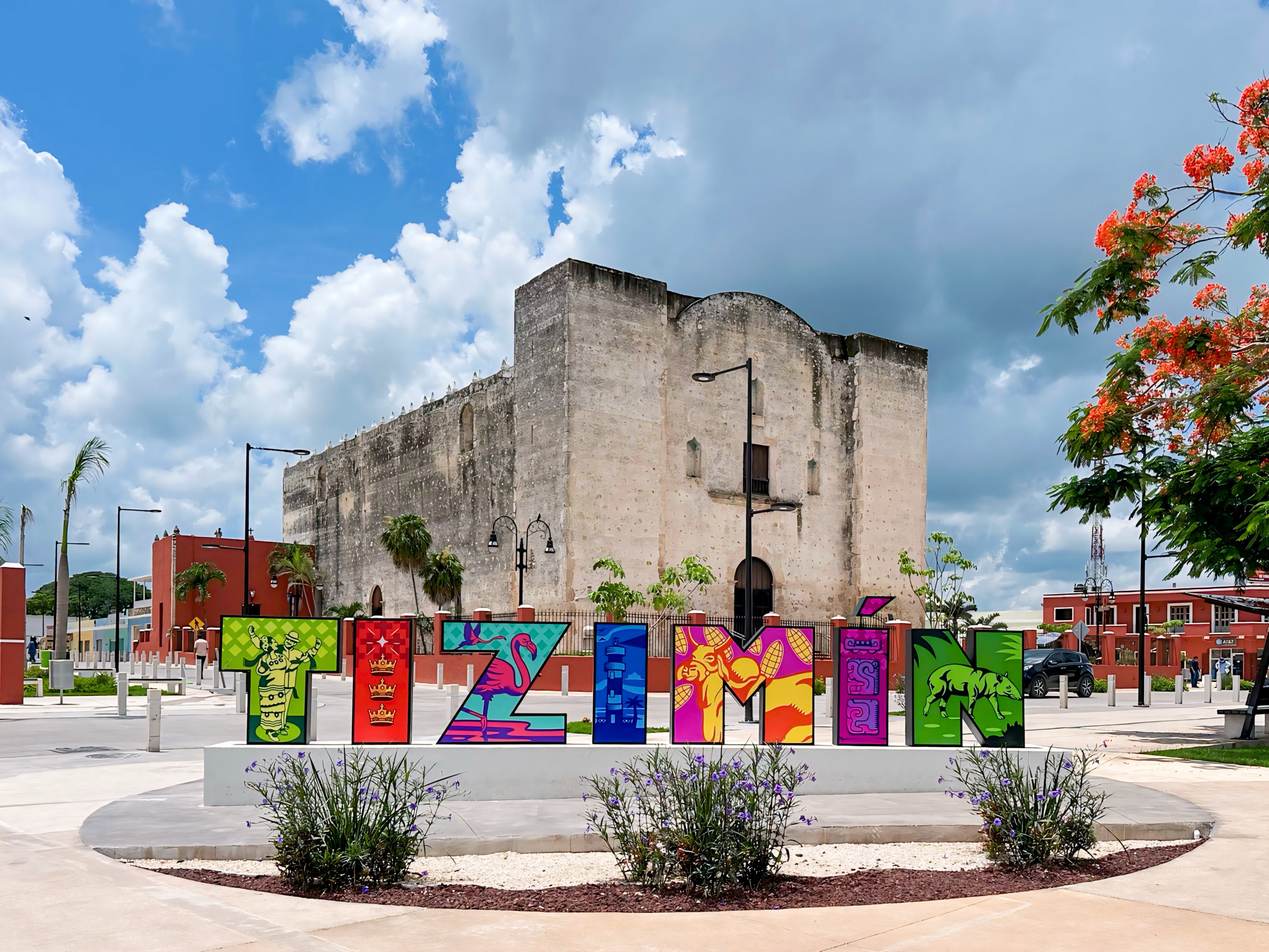
Valladolid
Valladolid is the strongest all-round base before or after El Cuyo. It provides a much wider choice of hotels, restaurants, cenotes and cultural sights.
Two nights in Valladolid followed by two or three nights in El Cuyo creates a balanced inland-and-coast route.
GuideValladolid Travel Guide: What to Do, Where to Stay and How to Plan Your TripValladolid is a small colonial town in eastern Yucatán, roughly halfway between Mérida and Cancún and within an hour’s drive of Chichén Itzá and Ek Balam. The guide suggests staying two nights for most itineraries, with three nights better for families or those who want to visit several cenotes or make day trips to Río Lagartos, Las Coloradas or Cobá. Getting there is easy by rental car, ADO bus, Tren Maya or private driver; the bus station is central, while the train station lies outside the historic centre and requires a taxi or shuttle. Within the town the historic centre, Calzada de los Frailes and the main square are all walkable, but a car, taxi, colectivo, bicycle or scooter is needed for most cenotes and ruins. Typical activities include a morning walk around the main square, visiting Iglesia de San Servacio and the municipal palace, strolling the colourful Calzada de los Frailes, and touring the Convent of San Bernardino de Siena. Cenote Zací, just outside the centre, offers a convenient swim; the local market provides cheap breakfast and snacks. Visitors should plan to start early at ruins and cenotes to avoid the heat, bring cash in small bills, wear grip sandals for cenote water, and respect church dress codes. In the hotter months (April‑May) a hotel with a pool is advisable, and the most comfortable weather is from November to March.Open
Ek Balam
Ek Balam is a useful archaeological stop on the transfer between Valladolid and the northeast. Visit early, then continue toward Tizimín and El Cuyo.
Do not combine it with several cenotes and a late coastal arrival.
GuideEk Balam Guide: Climbing the Acropolis and Swimming Cenote XcanchéA complete guide to visiting Ek Balam in Yucatán: climb the Acropolis for jungle views, see the preserved stucco carvings, and cool off in Cenote Xcanché. Includes entrance fees, transport from Valladolid, and practical tips.Open
Río Lagartos and Las Coloradas
Río Lagartos is the better base for a guided wetland boat trip. Las Coloradas adds the working salt landscape and controlled views of the pink ponds.
Both can form part of the same regional road trip as El Cuyo, but the reliable road runs inland. The journey takes longer than the apparent coastal distance suggests.
A calmer plan is:
- two nights in El Cuyo
- one night in Río Lagartos
- an early boat tour the next morning

Cancún and the northern Riviera Maya
El Cuyo can work as a quiet break between inland Yucatán and Cancún. It is particularly useful for travelers who want a final beach stay without choosing a large resort zone.
Allow a proper transfer day and avoid booking an early flight immediately after an El Cuyo stay.
El Cuyo or Holbox?
El Cuyo and Holbox are often compared because both sit along the northern edge of the peninsula. They produce different trips.
| Consideration | El Cuyo | Holbox |
|---|---|---|
| Access | Reached by road; public transport usually involves regional connections | Reached through Chiquilá and a ferry |
| Atmosphere | Small fishing town, sandy streets and quiet nights | Busier island destination with a larger tourism economy |
| Hotels | Small hotels, guesthouses and rentals | Much larger range from hostels to upscale beachfront hotels |
| Restaurants | Growing but limited selection | Broader choice and later evening activity |
| Nightlife | Minimal outside particular venues or events | More bars, music and visitor-oriented nightlife |
| Kitesurfing | One of the town’s defining activities | Available, but not as central to the destination’s identity |
| Transport in town | Walking, bicycles and moto-taxis | Walking, bicycles and golf-cart taxis |
| Best for | Quiet beach time, wind sports and a road trip | Travelers wanting more services, activities and social atmosphere |
| Main drawback | Remoteness and limited infrastructure | Higher visitor pressure, ferry logistics and busier streets |
Choose El Cuyo when quiet and kitesurfing matter more than restaurant variety. Choose Holbox when you want a broader visitor setup and do not mind a busier destination.
Trying to visit both in one day is not sensible. The inland road and ferry process make them separate overnight stops.
El Cuyo, Progreso or Celestún?
Choose Progreso for the easiest beach day from Mérida, a long malecón, more restaurants and straightforward transport.
Choose Celestún for a west-coast day combining a beach lunch with a guided mangrove and flamingo boat trip.
Choose El Cuyo for a two- or three-night beach stay, kitesurfing and a northeastern Yucatán road trip.
El Cuyo is not automatically “better” because it is farther away. It is better only when its particular pace and geography fit the route.
Common mistakes to avoid
Do not treat El Cuyo as an easy day trip from Mérida.
Do not expect the water to look Caribbean-blue in every weather condition.
Do not rely on one ATM, one bank card or continuous mobile service.
Do not arrive late without confirming dinner options.
Do not use the coastal sand track from Las Coloradas in a normal rental car.
Do not drive on the beach or across dunes.
Do not stand inside an active kite-launch area.
Do not expect guaranteed flamingos or nesting turtles from an ordinary beach walk.
Do not use flash, bright lights or drones around wildlife.
Do not book a non-air-conditioned room without understanding the seasonal heat and ventilation.
Do not overload the route with Río Lagartos, Las Coloradas, Ek Balam, a cenote and El Cuyo in one day.
Frequently asked questions
Is El Cuyo worth visiting?
Yes, when you can stay at least two nights and want quiet beach time, kitesurfing or a small coastal town. It is less worthwhile as a rushed excursion from Mérida.
How many days do you need in El Cuyo?
Two nights are the practical minimum. Three nights give you a full beach stay and better protection against poor weather.
Can you visit El Cuyo as a day trip from Mérida?
It is physically possible but not recommended. The round-trip drive can take seven to eight hours before stops.
Do you need a car in El Cuyo?
No for moving around the compact town. A car is the easiest way to reach El Cuyo and combine it with other regional stops.
Can you get to El Cuyo by bus?
Yes. Most routes connect through Tizimín, followed by a regional bus or van to El Cuyo. Confirm the latest schedule and final return locally.
Can you swim at El Cuyo?
Usually, yes. Conditions are often gentler in the morning, while wind and chop can build later. Check the water each day and supervise children closely.
Is there sargassum in El Cuyo?
El Cuyo is not affected in the same pattern as many Caribbean-facing beaches, but seaweed and natural organic material can still wash ashore. Conditions vary from day to day.
When is the kitesurfing season?
The more dependable wind period usually runs from late autumn through spring. Ask a local school about the forecast for your actual dates.
Can you see flamingos in El Cuyo?
Flamingos use the wider reserve, but sightings from town are not guaranteed. Río Lagartos has the more established guided boat-tour setup.
Can you see nesting turtles?
The wider coast is important turtle habitat, but nesting is protected. Join only authorized activity where available and never approach, illuminate or handle turtles or nests.
Is El Cuyo good for families?
Yes for families comfortable with a long journey, limited services, sand and strong sun. Choose accommodation with air-conditioning, a refrigerator or kitchen, and ideally a pool or backup power.
Are there ATMs in El Cuyo?
ATM availability should not be treated as reliable. Bring enough pesos from Tizimín, Valladolid or Cancún.
Is El Cuyo expensive?
It can cost more than a simple Yucatán fishing town because accommodation supply is limited and many newer hotels target beach travelers. Food ranges from local restaurants to boutique-hotel dining. Booking early gives you more control over cost.
Is the road from Las Coloradas to El Cuyo open?
Do not treat the coastal track as a dependable public route. Use the inland paved road unless a qualified local operator confirms otherwise for the specific day and vehicle.
Is El Cuyo safe?
The main practical risks for most visitors are sun, heat, water conditions, kite equipment, mosquitoes, road fatigue and limited services. Use ordinary precautions, secure valuables and avoid tired rural driving after dark.
Plan your El Cuyo stay
El Cuyo works best when you give the journey enough time to feel worthwhile.
Stay two nights for a road-trip stop or three nights for a proper beach break. Use a rental car or private transfer when comfort and timing matter. Choose public transport only when the schedule can remain flexible.
For the next step, compare the Stay guides with the relevant destination guide.
For the next step, compare the Stay guides with the relevant destination guide.
GuideMérida Travel Guide: What to Do, Where to Stay and How to Plan Your TripMérida is the capital of the Mexican state of Yucatán, located in the northwest part of the peninsula and known as “La Ciudad Blanca” for its bright limestone architecture. The city is served by Mérida International Airport (MID), a 15‑25 minute drive to the historic centre, and by ADO bus terminals that connect to Cancún, Valladolid, Campeche and other destinations; rideshare services such as Uber and inDrive operate throughout town, while a car is only needed for longer day trips to sites like Uxmal or Celestún. The guide suggests an ideal stay of three to five nights in the city, with day trips ranging from 45 to 90 minutes. No specific entry fees are listed, but visitors should budget for accommodation, meals, transport and optional tours. The article notes that tap water is not potable, so purified water should be purchased, and that most restaurants expect a 10‑15 % tip. Travelers can expect a walkable historic centre, Sunday “bici‑ruta” streets closed to cars, lively plazas with marimba music, and a culinary scene that ranges from market breakfasts to fine‑dining in restored mansions. The climate varies: December‑March offers the mildest weather, April‑May is very hot, June‑October brings rain and humidity, and November is a transition period. Recommended packing includes breathable clothing, a wide‑brim hat, reef‑safe sunscreen (to be rinsed before entering cenotes), comfortable walking shoes and insect repellent. Tips include planning activities for early mornings and evenings to avoid midday heat, using shaded arcades in the centre, staying hydrated, and bringing a reusable water bottle with electrolytes. Modest dress is advised for churches and cultural venues, and a small fan or portable cooler can make the hot season more comfortable.Open