Printable guide
Las Coloradas, Yucatán: Pink Lakes Complete Visitor Guide
Updated
A practical guide to Las Coloradas, Yucatán: how the pink salt ponds work, when the colors are strongest, what access is like, how to combine the visit with Río Lagartos, and which route suits your trip.

Las Coloradas is a small salt-producing community on the northeastern coast of Yucatán, known for shallow evaporation ponds that can turn shades of rose, coral and orange in strong sunlight. The famous color is real, but the place is not a natural swimming lake or an untouched beach attraction. It is a working salt landscape beside the protected wetlands of Ría Lagartos, with controlled visitor access and conditions that change with weather and production.
The most sensible way to visit is to treat Las Coloradas as one stop in a northeastern Yucatán route. Pair it with an early boat trip in Río Lagartos, stay overnight in the coastal town if you have time, or make a long day trip from Valladolid with a rental car or organized excursion. From Mérida, it is possible, but the driving makes an overnight plan more comfortable. From Cancún or the Riviera Maya, the distance is substantial enough that a guided day tour or a two-night route is usually less tiring.
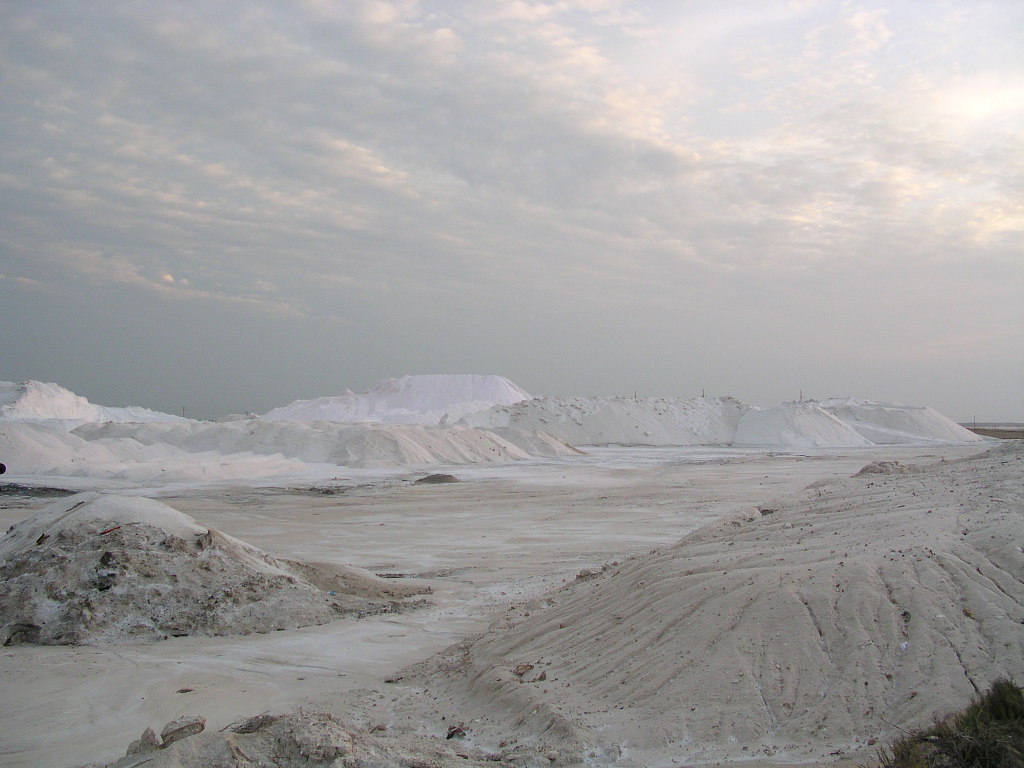 Pink salt ponds at Las Coloradas on the northeastern coast of Yucatán
Quick answer: is Las Coloradas worth visiting?
Yes, if you like unusual landscapes, salt production, wildlife and photography, and if you are prepared for a hot, exposed stop rather than a conventional attraction. The ponds can be striking under a clear sky, but the shade of pink is not guaranteed. Cloud, wind, water movement, salt concentration and the current stage of evaporation all affect what you see.
Las Coloradas is best for travelers who:
- are already visiting Río Lagartos or northeastern Yucatán
- want a distinctive landscape rather than another colonial town or Maya ruin
- enjoy photography but can accept changing natural conditions
- are comfortable following marked routes and local instructions
- can plan around heat and strong midday sun
- want to understand salt production as well as take photographs
It is less suitable if you have only one spare hour in Yucatán, dislike long drives, expect to swim in pink water, or need a shaded attraction with many indoor facilities. There are no guarantees of a particular color, flamingo sighting or unrestricted access. The responsible approach is to arrive curious, check the current visitor arrangement, and avoid treating the ponds as a photo prop.
Las Coloradas at a glance
| Question | Practical answer |
|---|---|
| What is it? | A salt-producing coastal landscape with colorful evaporation ponds and a visitor area |
| Where is it? | On Yucatán’s northeastern coast, near Río Lagartos and the Ría Lagartos reserve |
| Why is it pink? | High salinity and salt-loving microorganisms, combined with sunlight and evaporation |
| Can you swim? | Do not assume so. The working ponds are not for casual swimming; only enter water where the current authorized visitor program explicitly allows it |
| Best light | Strong late-morning to early-afternoon light often makes colors easier to see and photograph |
| Best base | Río Lagartos for a combined wildlife and salt-lagoon visit; Valladolid for a road-trip day trip |
| Do you need a car? | It is the easiest independent option, though organized tours and private drivers can remove the rural-road logistics |
| How long? | Allow roughly one to two hours at the visitor area, plus transport and any guided route |
| What to combine it with? | Río Lagartos boat tour, a coastal stop, Tizimín or an overnight in the reserve area |
| Main drawback | Heat, exposure, distance and variable color; the experience is weather-dependent |
What makes the water pink?
The ponds are salt evaporation basins. Seawater is moved through a series of shallow areas, where the sun and wind remove water and leave salt behind. As salinity rises, organisms that tolerate very salty conditions can flourish. These include microscopic algae and halophilic microorganisms; brine shrimp and other small life also form part of the food web that supports birds in the wider coastal system.
The color is therefore a combination of biology, chemistry and light. It is not paint, dye or a single permanent pigment. One pond may look pale pink while another appears deep rose, rusty orange, red-brown or almost normal blue-green. A visitor photograph taken in clear midday light can look more saturated than the same pond under cloud. The color can also shift as a pond moves through the salt-harvesting process.
That variability is important when planning. Online photographs tend to show the strongest possible version of the landscape. They are useful for understanding the setting, but they are not a promise about the day you visit. A gray morning, recent rain, wind or a different production stage may produce a quieter palette. The visit can still be worthwhile because the geometry of the ponds, white salt banks, low vegetation and open sky create a memorable landscape even when the water is not intensely pink.
The ponds also demonstrate why the destination should not be separated from its working context. Salt production depends on water movement, evaporation, timing and careful management. Visitors are looking at an active industrial and ecological landscape, not a decorative lagoon constructed for tourism.
Where is Las Coloradas?
Las Coloradas lies on the northern coast of Yucatán, east of Río Lagartos. The community is inside the wider landscape associated with the Ría Lagartos Biosphere Reserve, a protected coastal system of mangroves, lagoons, dunes, marshes and beaches. Río Lagartos is the more practical visitor base because it has a waterfront, boat operators, accommodation and food services. Las Coloradas itself is smaller and more limited.
The route is rural. Navigation apps can help, but do not rely on finding every service exactly when you need it. Carry drinking water, fuel the car before entering the more isolated portion of the route, and keep pesos for small purchases and local services. Mobile coverage and card acceptance can vary. It is wise to download the route before leaving your hotel.
The geography explains why a visit from Mérida can become tiring. Mérida is inland, while Las Coloradas is on the far northeastern coast. There is no quick coastal shortcut from the capital. A driver must cross the interior before turning toward Tizimín, Río Lagartos and the salt-producing communities. Valladolid is generally a more comfortable starting point for an independent day trip because it places you closer to the eastern side of the state.
How to get to Las Coloradas
From Río Lagartos
Río Lagartos is the natural base for a combined visit. You can take an early boat trip, return to town for a break, and then continue to Las Coloradas when the sun is high enough for the ponds to show their colors. This order works well because boat trips are usually more comfortable in the cooler part of the day, while the salt ponds often photograph better in stronger light.
A local driver, taxi or organized excursion can be useful if you do not have a rental car. Confirm the exact meeting point and whether the service includes the visitor area, a guided walk, waiting time and return transport. Do not assume that a boat tour automatically includes Las Coloradas; the two experiences are related geographically but are separate services.
From Valladolid
Valladolid is a practical base for a full road-trip day. Leave early enough to avoid doing the entire route in the hottest part of the day, and decide whether you want the boat trip first or the salt ponds first. If wildlife is the priority, aim for Río Lagartos early and treat Las Coloradas as the second stop. If photography is the priority and the forecast is bright, you may prefer to reach the ponds when the sun is high, then spend the afternoon in Río Lagartos.
The drive is long enough that this should not be combined casually with several major inland attractions. Adding a ruin, multiple cenotes and a full coastal route to the same day can turn a good plan into a sequence of rushed stops. Choose one main experience and one supporting stop.
From Mérida
A day trip from Mérida is possible by car, private driver or organized tour, but it is a demanding day. The route crosses much of the state, and you should allow time for breaks, traffic, road conditions and the return journey. An overnight in Río Lagartos makes the visit more enjoyable and gives you the option of taking a morning boat without starting before dawn in Mérida.
For a tour from Mérida, check the departure time, total duration, what is included, whether the salt-lagoon access is guaranteed, and whether a boat ride in Río Lagartos is part of the same booking. Compare Las Coloradas and Río Lagartos tours on GetYourGuide and see the closest matching Viator options before choosing.
From Cancún or the Riviera Maya
Las Coloradas is far enough from Cancún that a day trip involves many hours on the road. An organized excursion can make the logistics simpler, especially if it includes transport, a Río Lagartos boat trip and a clear plan for the visitor area. Independent travelers should consider staying in Valladolid or Río Lagartos rather than trying to add Las Coloradas to an already full transfer day.
A tour description may use broad regional language, so read the itinerary carefully. Confirm whether the pickup area includes your hotel, whether lunch is included, how long the boat portion lasts, and what happens if access to a particular part of Las Coloradas is restricted. A listing that promises several attractions in one day may offer breadth at the cost of time at each stop. Review the GetYourGuide Río Lagartos and Las Coloradas day-trip listing or compare the matching Viator tour.
Independent visit or organized tour?
A rental car is the most flexible choice if you are comfortable driving in Yucatán and want to combine Las Coloradas with Río Lagartos, Tizimín or another northeastern stop. It lets you choose your timing and avoid waiting for a group. The tradeoff is that you are responsible for navigation, fuel, parking, access information and the long return drive.
A private driver is useful for families, small groups and travelers who want flexibility without driving. Agree in advance on the route, waiting time and whether the price covers both Las Coloradas and Río Lagartos. Avoid vague arrangements in which the driver simply drops you at the entrance and leaves you to solve the return journey.
A group tour is the simplest option from Mérida, Valladolid, Cancún or the Riviera Maya when you do not want to coordinate rural transport. Read the inclusions rather than choosing only by headline price. A useful tour should state the pickup location, estimated duration, boat details, meals, entrance arrangements and cancellation terms. Because access rules can change, select a provider that acknowledges that conditions at Las Coloradas may require an alternate plan.
An independent public-transport itinerary is possible only with careful planning and local connections. It is not the easiest way to see the ponds in one day because the last rural leg, local taxis and return timing may not line up neatly. If you are traveling without a car, staying overnight in Río Lagartos and arranging the local leg through your accommodation or a trusted operator is less stressful than trying to improvise at the end of the day.
When is the best time to visit?
Time of day
The strongest colors are usually easier to see when the sun is high. Late morning and early afternoon often provide better contrast than a cool, overcast dawn. This is also the hottest period, so bring water, a hat and clothing that covers your shoulders. If you are sensitive to heat, visit Río Lagartos early, rest during the most intense sun, and go to the ponds only when your body is ready for an exposed walk.
Morning can still be beautiful, particularly under a clear sky. The key is not a rigid hour but a combination of sunlight, weather and current conditions. Ask locally what the ponds look like that day instead of trusting an old photograph.
Season
There is no single month that guarantees the perfect pink. Dry, sunny periods can produce vivid conditions, but hot weather does not override cloud, wind, rain or salt-production timing. The reserve is a year-round destination for birds and coastal scenery, while the visual intensity of the ponds changes.
The rainy season can bring dramatic skies and greener surroundings, but cloud and precipitation may soften the colors. The dry season can provide clearer light but stronger heat. Check the forecast a day or two before traveling and keep expectations flexible.
Wildlife timing
Las Coloradas and Río Lagartos belong to the same broad coastal ecosystem, but the salt ponds are not the best place to count on close flamingo encounters. For wildlife, schedule a licensed or authorized boat trip in the Ría Lagartos wetland system. Flamingo numbers and locations vary with feeding conditions, water levels, season and disturbance. A responsible guide should never chase birds or promise a guaranteed close approach.
For a broader wildlife plan, read the Río Lagartos complete guide and compare flamingo-tour options.
What to expect at the visitor area
The exact visitor experience can change. Depending on the current operating arrangement, you may encounter a designated viewing area, a guided walking route, bicycle access, a vehicle route or an educational presentation about salt. Some parts of the wider salt works are private or operational and are not open to casual exploration.
Expect an open, bright landscape rather than a shaded park. The ground may be pale, dusty or uneven. There may be salt mounds, shallow ponds, narrow paths and areas where staff ask visitors not to cross. Stay with the guide or on the marked route. Do not climb salt piles, touch the pond surface, move crystals, fly a drone without permission or step across barriers for a photograph.
Current visitor programs may offer additional activities, including an in-water experience in a designated area. Do not confuse that with permission to swim in the working evaporation ponds. Ask which water, if any, is authorized before changing clothes or entering. Rules can change as the site balances tourism, safety, salt production and conservation.
Carry a small bag rather than loose belongings. Wind can blow hats, maps and phone accessories across exposed ground. Bring a lens cloth because salt dust and spray can affect cameras. Sandals may be uncomfortable on hot or uneven paths; secure walking shoes are more practical.
Can you swim in the pink lakes?
Do not plan your trip around swimming in the famous pink ponds. The working salt basins are not ordinary recreational water. Their salinity, production activity, private management and ecological sensitivity make casual entry inappropriate. Never climb a fence or enter a pond because a photograph makes it look inviting.
If an authorized visitor program currently includes a floating or bathing experience, it should identify a specific designated area and explain the rules. Follow the operator’s instructions about rinsing, skin sensitivity, footwear, sunscreen and how long to remain in the water. If no current program permits entry, enjoy the ponds from the viewing route and use a nearby conventional beach or an approved swimming site for water time.
This distinction is not a technicality. Salt production is the reason the landscape exists, and the ponds are part of a working system. A respectful visitor leaves the water and salt undisturbed, even when another traveler appears to be doing something different.
Photography at Las Coloradas
Las Coloradas is highly photogenic, but good photographs require more than searching for the brightest patch of water. Use the white salt banks, straight pond edges and low horizon to show scale. A person at a respectful distance can communicate how broad and exposed the landscape feels. Polarizing filters may deepen a blue sky, but they can also change reflections, so check the result rather than relying on the filter automatically.
Midday light can make the color vivid but harsh. Reduce glare by changing your angle rather than walking onto a restricted edge. Early or late light can produce softer shadows, though the water may appear less intensely pink. A cloudy day can be atmospheric and honest; do not edit every image into neon.
Protect equipment from heat and salt. Keep the camera out of a sealed hot bag for too long, avoid placing it on salt-covered ground, and wipe the body and lens after the visit. Phones can overheat in direct sun, so carry a small power bank and take breaks in whatever shade is available. If a guide asks you to stop at a particular point, accept that the safest photograph is not always the closest one.
Ask before photographing local residents, workers, vehicles or private homes. The community is not a backdrop. A few respectful images of the landscape will be more meaningful than turning every person you meet into an unasked-for subject.
 The working salt landscape around Las Coloradas, Yucatán
What to bring
Pack for exposure and simplicity:
- refillable drinking water, with extra water in the car
- a broad-brimmed hat or cap that will not blow away
- light, breathable clothing with sun coverage
- comfortable shoes with secure soles
- sunglasses and biodegradable sunscreen used away from sensitive water
- a small towel only if your confirmed itinerary includes an approved water activity
- pesos for local services and small purchases
- a phone charger or power bank
- insect repellent for the wetland portion of the day
- a lens cloth and a sealable bag for electronics
Avoid bringing valuables that you will not use. There may be limited shade and no convenient place to leave items. Do not bring snacks that encourage wildlife to approach; feeding birds or other animals changes their behavior and is not appropriate in a protected landscape.
Combining Las Coloradas with Río Lagartos
The strongest itinerary is usually two-part. Take a morning boat from Río Lagartos, then visit Las Coloradas once the sun is high. The boat provides wildlife, water and mangrove scenery; the salt ponds provide color, geometry and a working-landscape story. They complement each other without being the same attraction.
Allow enough time between them for the boat to return, a bathroom break, food and a change of pace. A rushed transfer can make both experiences less enjoyable. If you stay overnight, arrive the previous afternoon, walk the waterfront and ask about the next morning’s boat departure. After the boat and Las Coloradas, you can continue toward Tizimín or return to your base depending on daylight.
 Coastal landscape near Río Lagartos in Yucatán
A two-day version is more comfortable:
Day one: travel to Río Lagartos, check in, walk the waterfront and arrange the next morning’s boat. Keep the afternoon light after the drive.
Day two: take the early boat, eat in town, visit Las Coloradas, and continue only as far as your route and daylight allow. If you are returning to Mérida, consider staying another night rather than treating a long coastal day and a long inland return as one obligation.
A Valladolid version can be completed in one full day, but keep the itinerary narrow. Río Lagartos plus Las Coloradas is enough. Add Ek Balam or a cenote only if you are building a multi-day road trip, not because every map pin must fit into one day.
For overnight planning, check current Río Lagartos accommodation rates on Booking.com and compare available stays on Trip.com.
GuideRío Lagartos Travel Guide: Flamingos, Boat Tours, Las Coloradas and Where to StayRío Lagartos is a tranquil fishing town on Yucatán’s north coast that serves as the main gateway to the Ría Lagartos Biosphere Reserve, a UNESCO‑recognized wetland famous for flamingo colonies, mangrove estuaries and crocodiles. There is no entry fee to the town; reserve access is usually included in boat tours, though some operators charge a small conservation fee of about 54 MXN on site. Shared or small‑group wildlife and Las Coloradas boat tours cost roughly $70–$95 USD per person, while private boats are priced per vessel for 2–4 hours. Boat tours run from 6:00 to 17:00 for daytime wildlife viewing, with night mangrove/crocodile tours offered around 19:30–21:30 for 1.5–2 hours. Cash in pesos is essential, as ATMs are unreliable and most businesses prefer cash. From Mérida the drive is 205–230 km and takes about 2.5–3 hours via Tizimín; from Cancún it is 225–255 km, roughly 3–3.5 hours; from Valladolid it is 105 km, about 1.5–2 hours. Buses go to Tizimín, then a local bus or colectivo reaches Río Lagartos. The pink salt ponds of Las Coloradas lie 24 km away, a 20–25 minute drive. A typical day includes a 2–4 hour boat safari through mangrove channels to see flamingos, herons, spoonbills, ospreys and, with luck, crocodiles, often with a beach stop and optional Mayan‑clay mud mask. Night tours let visitors watch crocodile eyeshine and nocturnal birds. Visitors should bring cash, sun protection, insect repellent, binoculars, a dry bag and a dark swimsuit for mud baths. Keep noise low, respect nesting zones, use life jackets, and avoid drones. Mid‑day is best for the pinkest hues at Las Coloradas, while early morning and late afternoon are optimal for wildlife. The dry season (December–April) offers comfortable weather; November nortes can bring wind and rougher water, so book morning departures when possible.Open
Other nearby stops
Río Lagartos town
Río Lagartos is the most useful companion stop. Its waterfront is a place to arrange boat trips, eat, rest and understand that the reserve is connected to an active fishing community. It is not a resort strip, and services are modest, which is part of the appeal and part of the planning requirement.
 Río Lagartos wetland landscape near Las Coloradas
El Cuyo
El Cuyo lies farther west along the northern coast and has a different feel, with a village, beaches and wind-dependent water sports. It is not a quick add-on to Las Coloradas unless you are making a longer coastal route. Consider it as a separate overnight stop rather than trying to squeeze it into the same afternoon.
GuideEl Cuyo Travel Guide: Beaches, Kitesurfing, Hotels and How to Get ThereEl Cuyo is a small Gulf‑side beach town at the northeastern tip of Yucatán, set on the edge of the Ría Lagartos Biosphere Reserve where flamingos, sea‑turtle nesting and reliable winds make it a quiet eco‑destination. The town and its public beach are free to enter and are open 24 hours a day. The best periods for kitesurfing are November to June, for flamingos April to September, and for turtle nesting May to October; the dry season runs December to April. By car, El Cuyo is about 2½–3½ hours from Cancún Airport and 3–4 hours from Mérida, using paved inland highways; fuel and cash should be taken before the final stretch and parking is on sand near the beach. Public transport involves an ADO or Oriente bus to Tizimín from Mérida (2½–3½ hours) followed by a colectivo/minivan to El Cuyo, or a longer Cancún‑to‑El Cuyo connection via Kantunilkín or Valladolid, taking roughly 4–5 hours total. Visitors can expect a long, natural beach backed by dunes, mangroves and pastel wooden houses, gentle Gulf swells, and steady breezes that attract kitesurfers of all levels. Amenities are modest: a few groceries, seafood shacks, a pharmacy, a clinic and one ATM that may be out of cash, so bring pesos. Wi‑Fi and mobile data are unreliable, and many places prefer cash. Tips include keeping at least 60 m from flamingo colonies, avoiding lights and touching turtles during nesting season, using reef‑safe sunscreen, carrying a flashlight, water and insect repellent, and driving cautiously on roads with speed bumps and occasional potholes. Day trips to the flamingo‑rich Ría Lagartos, the pink lakes of Las Coloradas, or the colonial town of Valladolid are popular, and several local schools offer kitesurf lessons and equipment rentals.Open
Tizimín
Tizimín is a practical regional town for fuel, supplies and route planning. It is less visually dramatic than the salt ponds or wetland, but useful when building a road trip through northeastern Yucatán. Do not treat it merely as a photo stop; it can be the place where you restock before the coastal leg.
GuideTizimín Travel Guide: Feria de Reyes, Cenote Kikil and the City of KingsTizimín, called the “Ciudad de los Reyes,” is a northern Yucatán town where a colonial plaza, a heavy‑stone church and the annual Feria de Reyes give a vivid picture of local Maya and ranching culture. The town itself is free to enter; individual attractions such as the bullring, museums or fair rides may charge modest fees, and cash in small notes is preferred. The best periods to visit are late December to mid‑January for the Feria de Reyes or November to April for cooler, drier weather. A walk through the shaded main plaza, the church and nearby market stalls takes about two to four hours, while adding a cenote swim or a ranch visit can extend the stay to half or a full day. From Mérida the drive is roughly 167 km east‑northeast and takes 1.5–2.5 hours; from Valladolid it is about 50–55 km, roughly an hour. Buses and colectivos connect the town to major centers, and taxis or local combis handle short trips inside the municipality. Visitors should wear comfortable shoes, bring sun protection, a reusable water bottle and cash in small bills, and carry a light rain jacket in the May‑October rainy season. During the Feria de Reyes arrive early for processions and key events, and be prepared for crowds and traffic. Eat from busy stalls, use bottled water, stay in well‑lit central streets after dark and use biodegradable sunscreen when visiting nearby cenotes. Nearby highlights include the coastal village of El Cuyo, Ek Balam ruins and community cenotes, all reachable by short drives.Open
Valladolid and Ek Balam
Valladolid works well before or after the coast. If Maya history is central to your trip, plan a separate block for Valladolid and Ek Balam rather than making the salt ponds an afterthought between ruins. The eastern Yucatán route rewards slower planning.
GuideValladolid Travel Guide: What to Do, Where to Stay and How to Plan Your TripValladolid is a small colonial town in eastern Yucatán, roughly halfway between Mérida and Cancún and within an hour’s drive of Chichén Itzá and Ek Balam. The guide suggests staying two nights for most itineraries, with three nights better for families or those who want to visit several cenotes or make day trips to Río Lagartos, Las Coloradas or Cobá. Getting there is easy by rental car, ADO bus, Tren Maya or private driver; the bus station is central, while the train station lies outside the historic centre and requires a taxi or shuttle. Within the town the historic centre, Calzada de los Frailes and the main square are all walkable, but a car, taxi, colectivo, bicycle or scooter is needed for most cenotes and ruins. Typical activities include a morning walk around the main square, visiting Iglesia de San Servacio and the municipal palace, strolling the colourful Calzada de los Frailes, and touring the Convent of San Bernardino de Siena. Cenote Zací, just outside the centre, offers a convenient swim; the local market provides cheap breakfast and snacks. Visitors should plan to start early at ruins and cenotes to avoid the heat, bring cash in small bills, wear grip sandals for cenote water, and respect church dress codes. In the hotter months (April‑May) a hotel with a pool is advisable, and the most comfortable weather is from November to March.Open
Responsible travel in a working wetland
Las Coloradas sits beside a sensitive coastal environment. Keep to designated paths, follow local instructions and use authorized guides for protected-area activities. CONANP guidance for the Ría Lagartos protected area emphasizes respecting zoning and signage and using authorized services; it is sensible to confirm that a boat has the required safety equipment before boarding.
Do not feed flamingos, crocodiles or other wildlife. Do not ask a boat operator to pursue birds for a closer photograph. Keep voices low near feeding or nesting areas. Take rubbish back with you if a bin is not available, and avoid disposable packaging where practical.
Salt, sand and water are hard on the landscape and on equipment. Do not remove crystals, shells, plants or other natural material. Do not collect salt from a pond as a souvenir. Buy any salt product through an authorized local channel instead.
Most importantly, remember that the people working around Las Coloradas are not there to perform a rural version of a theme park. Ask permission before photographing workers and accept that some areas are closed because they need to remain productive or safe.
Common mistakes to avoid
Arriving without checking access. Visitor programs and operating areas can change. Confirm the current route before driving a long distance.
Expecting the exact pink from a photograph. Color varies. Plan for a beautiful salt landscape, with vivid pink as a welcome possibility rather than a guarantee.
Trying to swim in a working pond. Do not enter restricted water. Use only a clearly authorized designated experience if one is operating.
Going at the hottest time without water. Midday light may be best for color, but the exposure is real. Carry water and take shade breaks.
Treating Río Lagartos and Las Coloradas as one ticket. They are nearby but different experiences. Confirm what your boat or land tour includes.
Overloading the day. Long drives, a boat, the ponds, a ruin and several cenotes do not make a better itinerary. They make a more fragile one.
Leaving the return route until sunset. Rural roads and limited services make daylight valuable. Know where you will sleep before committing to the final leg.
Using old fee information. Prices, access arrangements and tour inclusions change. Check the current official or operator information rather than trusting a guide written several seasons ago.
A realistic one-day plan
If you are based in Valladolid and have a car, leave early with water and fuel. Reach Río Lagartos in time for a morning boat, allowing a little flexibility for boarding and weather. After returning, eat and take a short break. Continue to Las Coloradas for the visitor route and stronger light. Spend enough time to understand the salt landscape, then begin the return before you are exhausted.
If you are based in Mérida, the same sequence is possible but the total driving is much harder. A private driver or organized tour reduces navigation stress, but it does not shorten the geography. Ask whether the itinerary includes a genuine break and whether the return is expected late at night. If the answer is yes, an overnight in Río Lagartos may be the better use of your budget.
 Río Lagartos, Yucatán, on the route to Las Coloradas
If you are traveling without a car, sleep in Río Lagartos and arrange the local transport in advance. Take the boat in the morning, then use a trusted local service for Las Coloradas. Leave a margin for a delayed boat, a restricted route or a change in weather. This is not a destination where improvisation always saves time.
Frequently asked questions
Are the Las Coloradas lakes naturally pink?
The color comes from a salt-evaporation environment and salt-tolerant microorganisms, with sunlight, evaporation and water conditions affecting the shade. The ponds are part of a managed salt-producing landscape rather than a single untouched natural lake.
Is Las Coloradas free to enter?
Access arrangements and fees depend on the current visitor program and operating area. Do not rely on an old price quoted online. Confirm the current conditions directly with the authorized visitor service or tour operator before traveling.
Can I visit without a guide?
Some viewing arrangements may allow independent visitors, while other areas or activities require a guided route. Because the salt works include private and operational spaces, follow the current signs and staff instructions rather than assuming the entire landscape is open.
How long should I spend there?
Most travelers need around one to two hours for the visitor experience, but the total outing takes much longer once you add the drive, waiting, a Río Lagartos boat and food. A short stop can work; rushing the whole day cannot.
Are the lakes always bright pink?
No. The color changes with sunlight, cloud, wind, rain, salinity and the stage of salt production. Bright pink is possible but not guaranteed.
Is Las Coloradas good for children?
It can be interesting for children who enjoy unusual landscapes and short guided walks. The heat, glare, uneven surfaces and lack of shade require close supervision. A boat trip in Río Lagartos may be more engaging for some children than the salt ponds themselves.
Is Las Coloradas a beach?
Las Coloradas is a coastal community, but the famous pink ponds are salt evaporation basins, not a normal beach-swimming area. Treat beach time and salt-lagoon viewing as separate activities.
Should I stay in Las Coloradas or Río Lagartos?
Río Lagartos is usually the more practical base because it has more visitor services and boat access. Staying nearer the ponds may suit a very specific local plan, but verify accommodation, transport and current operating arrangements before choosing it.
The best way to think about the visit
Las Coloradas is not a quick checklist attraction and not a guaranteed Instagram background. It is a bright, hot, carefully managed salt landscape beside one of Yucatán’s important coastal wetlands. Go with enough time, use the current visitor route, and let the color be what the weather and production cycle allow.
For most travelers, the best plan is one night in Río Lagartos, an early authorized boat trip, a proper break, and a late-morning visit to Las Coloradas. That route respects the geography and gives each part of the coast room to make an impression. If the ponds are pale on your day, you will still have seen a working piece of northeastern Yucatán rather than chasing a photograph that only exists under perfect conditions.
Check current Río Lagartos tour availability on GetYourGuide · Compare Las Coloradas and Río Lagartos experiences on Viator
Check current Río Lagartos hotel rates on Booking.com · Compare Río Lagartos stays on Trip.com
Las Coloradas is worth the drive when you give it the right frame: a salt-production landscape and wetland stop, not a guaranteed pink swimming lake. Build the day around that reality and the northeastern coast becomes much easier to appreciate. For current protected-area rules and visitor access, confirm details with CONANP and the authorized local visitor service before departure.
For a quieter route, stay in Río Lagartos and ask your accommodation to help arrange an authorized boat and the Las Coloradas visit. That small amount of planning is usually more useful than trying to fit another attraction into the same day. A good visit leaves the ponds intact, the wildlife unchased and your expectations flexible.
When the sun is strong and the ponds catch it, Las Coloradas can look almost unreal. When the sky is gray, it becomes a lesson in how much of the famous image depends on light. Either way, arrive ready for the coast, stay long enough to understand the salt, and let the place be more than a photograph. That is the version of Las Coloradas worth traveling for.