Printable guide
Mérida Bus Stations: ADO Terminals, Routes & Practical Guide
Updated
A practical guide to Mérida bus stations, including the central ADO terminal, Paseo 60, TAME, local buses, common routes, tickets, luggage, taxis, and choosing the right departure point.

Mérida is the main bus hub for Yucatán, and long-distance buses are often the simplest way to travel between the state capital and Valladolid, Progreso, Izamal, Campeche, Cancún, Chichén Itzá, and other destinations. The confusing part is that “the Mérida bus station” can mean several different places. A ticket may depart from the central terminal in Centro, the more comfortable Paseo 60 stop, a suburban terminal, or a smaller second-class station.
The key is to read the departure point on the ticket, not just the word Mérida. The central ADO terminal is generally the main choice for first-class and long-distance travel. Paseo 60 is convenient if you are staying around north Centro or Paseo de Montejo. Local and second-class buses to smaller towns may leave from a different terminal or street-side stop. ADO’s online booking system and the station screens are the best sources for the exact departure time, platform, fare, and terminal on your travel date.
This guide is designed for travelers who want to use buses without losing half a day to a wrong terminal. It explains what each terminal is for, how to reach it, which routes usually make sense by bus, and when a rental car, taxi, private transfer, or organized excursion is a better choice.
Quick answer: which Mérida bus station should you use?
For most visitors, start with the Mérida Centro Histórico terminal, commonly associated with ADO’s main central operation. It is the practical default for intercity routes and is close to the historic center. Your ticket may identify it as Mérida Centro Histórico, Terminal Única, TAME, or another ADO naming variation, so match the exact wording and map shown when you book.
The Paseo 60 terminal is a separate, modern departure point near Paseo de Montejo. It is especially useful for travelers staying near the northern edge of Centro, the hotel corridor, or the convention area. It is not automatically the right terminal just because it is easier to reach from your hotel.
A simple decision table:
| Your trip | Best first check | Why |
|---|---|---|
| Mérida to Valladolid | ADO central terminal or the departure point printed on your ticket | Frequent long-distance service and straightforward arrival in Valladolid |
| Mérida to Cancún | ADO central terminal or Paseo 60 if the booking specifically assigns it | Long-distance first-class services may use different Mérida stops |
| Mérida to Campeche | Central ADO service is the usual starting point | A practical intercity route without needing a car |
| Mérida to Progreso | Local bus or direct service from its assigned stop | The exact local departure point matters more than the ADO brand |
| Mérida to Uxmal | Bus, colectivo, tour, or private driver depending on the schedule | The archaeological site is outside town and return options are limited |
| Mérida to Chichén Itzá | Direct bus, tour, or car | A direct bus can work, but timing is important for heat and crowds |
| Mérida to Izamal | Local bus or colectivo | Services may leave from a smaller terminal rather than the main ADO hall |
| Airport to Mérida | Airport bus, taxi, rideshare where available, or pre-booked transfer | The airport is not the same place as any intercity terminal |
Before leaving for the station, check three details: the terminal name, the departure time, and whether the service is direct. Keep the confirmation on your phone and take a screenshot in case mobile data is slow inside the terminal.
ADO bus station in Mérida, Yucatán
The central Mérida ADO terminal
The central terminal is the most useful departure point for visitors staying in or near Centro. It handles major regional and long-distance connections and has the services travelers usually expect from a large bus station: ticket counters, waiting areas, toilets, luggage handling, staff, and departure screens. The exact combination of operators and routes changes, so treat the station as a hub rather than assuming every bus to every Yucatán town departs there.
Historically, travelers may still use older names such as CAME or TAME when asking for directions. Mérida’s terminal names and operations have changed over time, and local usage does not always match what appears in an online booking interface. If a taxi driver or hotel receptionist seems unsure, show the ticket rather than translating the terminal name from memory.
The central location is convenient for a Centro itinerary. You can walk to parts of San Juan, Santiago, Plaza Grande, the market area, and Calle 60, although walking with large bags in Mérida’s heat is not always pleasant. A short taxi or rideshare trip may be worthwhile, particularly before an early departure or after arriving with luggage.
Do not confuse the bus terminal with Mérida International Airport. The airport is south of Centro and has its own transfer arrangements. It is possible to connect from the airport to the city and then continue by intercity bus, but allow a generous buffer rather than planning a tight connection after a flight.
What the central terminal is best for
Use the central terminal as your default when you are taking a long-distance service to another major city, have checked luggage, want staff support, or are traveling with children. It is also the least stressful choice when your hotel is in Centro and you do not want to compare several suburban stops.
For a trip to Valladolid, the central terminal is usually more useful than trying to improvise with local buses. For Campeche, it is similarly practical. For Cancún, Playa del Carmen, or other destinations beyond Yucatán, compare the direct departures shown for your date because the service class and timing can vary.
For smaller villages, the main terminal may not be the right answer. Routes to Izamal, Motul, Ticul, Oxkutzcab, or towns along the Ruta Puuc may involve local operators, colectivos, or second-class terminals. Ask where the bus leaves before buying a ticket, especially if your accommodation says “the ADO station” without specifying which one.
Paseo 60: the northern Centro departure point
Paseo 60 is a mixed-use complex on the northern side of Centro, near Paseo de Montejo. Its bus facilities are useful for travelers whose lodging is around the hotel corridor or who want a more modern waiting environment. A search result or ticket may identify this place simply as Mérida Paseo 60.
 Paseo 60 and the Hyatt Regency in Mérida
The practical advantage is location. If you are staying near Paseo de Montejo, the convention center, or the northern Centro grid, Paseo 60 may be closer than the central terminal. It also gives you access to shops and food options around the complex while you wait. That does not mean it offers every route. It is a departure point for selected services, and the ticket is the authority.
Paseo 60 is particularly easy to mistake for a general replacement for the central station. It is better understood as one of Mérida’s terminals and stops. When booking, select it only when the service listing assigns it or when the operator confirms the departure point. A bus headed for Cancún may leave from Paseo 60 on one schedule and from another Mérida terminal on a different schedule.
If you arrive at Paseo 60 early, keep your ticket visible and look for the departure information rather than boarding the first bus displaying your destination. Long-distance buses can share a general destination corridor while differing in stops, class, and final terminal.
TAME, Terminal Única, and second-class confusion
Mérida’s bus terminology can be confusing because several names persist in travel guides, maps, old blog posts, and local conversation. TAME has traditionally been used for a Mérida terminal associated with bus services, while the central ADO operation may also appear online under “Terminal Única” or Mérida Centro Histórico. Older references may mention CAME, even though operations and terminal identities have changed.
The safest method is not to decide which acronym is “the real station.” Instead, use the terminal name printed on the current ticket and confirm it with the operator. If you are buying in person, say the destination and ask, “¿De qué terminal sale?” If you are traveling to a smaller town, ask whether the bus is first class, second class, or a colectivo and whether it departs from the same building.
Second-class services can be useful because they reach towns that are not served by premium intercity buses. They may stop more often, use simpler vehicles, and have less predictable departure patterns. That is part of the service, not necessarily a problem. It becomes a problem only when a traveler expects an intercity coach experience or arrives at the wrong terminal with a fixed appointment at the other end.
For Uxmal, Oxkutzcab, Tekax, Ticul, and villages south of Mérida, check local transport information on the day before travel. Some services are designed for residents commuting between towns, so the first departure may be early and the final return may be much earlier than a visitor expects. If you plan to visit an archaeological site, ask specifically about the return trip rather than assuming buses run until evening.
 Mérida bus station interior
Common routes from Mérida
Mérida to Valladolid
Valladolid is one of the easiest major destinations to combine with Mérida by bus. Long-distance services are more comfortable than trying to connect through several small towns, and the city is a useful base for cenotes, Ek Balam, and Chichén Itzá.
A direct bus is a good choice if you are carrying luggage or staying overnight. Buy a seat for the actual date rather than relying on a vague “every few hours” assumption. Departure frequencies, class, and prices can change. If you are making a day trip, calculate the full return plan before leaving Mérida. A late return can leave you tired, and an early final bus may not fit a long day at a cenote.
Valladolid’s urban center is walkable from parts of the bus area, but the distance to your lodging depends on the neighborhood. With luggage, a short taxi is often easier than navigating unfamiliar streets in the midday heat.
GuideMérida to Valladolid: Bus, Car, Tren Maya and How to Get ThereHow to get from Mérida to Valladolid by ADO bus, rental car, Tren Maya or colectivo — with current prices, schedules, travel times and practical tips for each option.Open
Mérida to Chichén Itzá
Chichén Itzá can be reached by bus, but it is not simply another city-center connection. The archaeological site has an entrance schedule, intense sun, and a large flow of visitors. A direct bus is most attractive for travelers comfortable managing their own timing and willing to arrange the onward connection from the site or nearby town.
A guided day tour is often easier for people who want transport, entrance planning, and interpretation handled together. If you choose a tour, verify the current itinerary and departure point rather than assuming hotel pickup. You can compare Mérida day trips on GetYourGuide and see Mérida options on Viator. Those pages are useful for comparing current availability, but the final meeting point and inclusions belong to the individual listing.
If you go independently, bring water, sun protection, and a backup plan for the return. Do not schedule a flight or another non-refundable activity immediately after the bus back to Mérida.
GuideMérida to Chichén Itzá GuideHow to get from Mérida to Chichén Itzá by ADO bus, rental car, colectivo or tour — with costs, travel times, ticket info and tips for arriving before the crowds.Open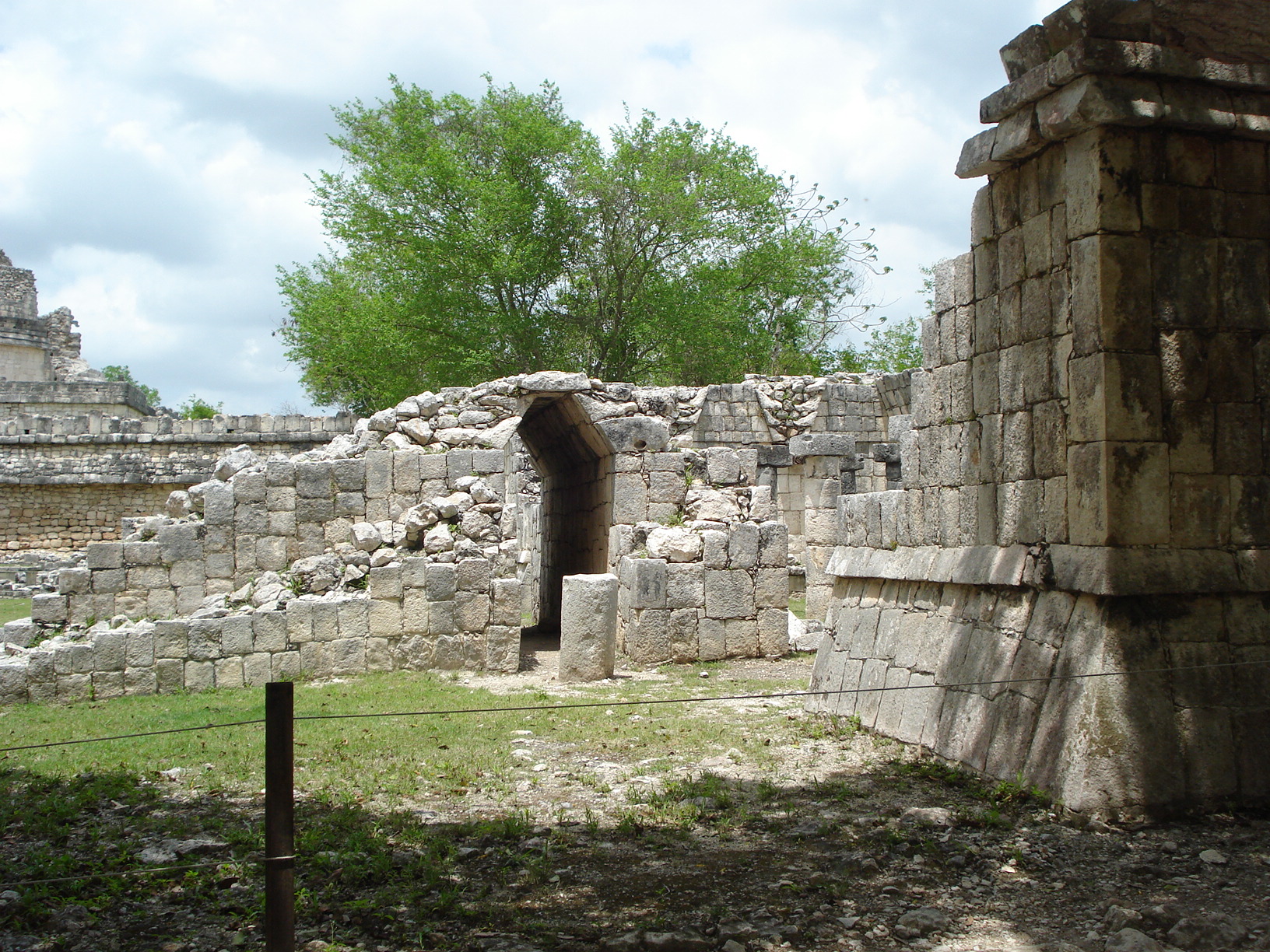
Mérida to Izamal
Izamal is close enough to Mérida for a day trip, but local transport may not use the same terminal as an ADO first-class departure. Buses and colectivos can be economical, though they may be less convenient with bulky luggage or a strict timetable.
For a relaxed visit, go early, walk the historic center, see the major convent and town streets, and leave time for the return. If you want to combine Izamal with a cenote, hacienda, or rural workshop, a private driver or organized tour becomes more practical because the stops are spread out. Browse Mérida tours on GetYourGuide or compare Viator experiences in Mérida when you want to avoid coordinating several local connections.
GuideMérida to Izamal: Bus, Car, Colectivo and How to Get ThereA practical guide to getting from Mérida to Izamal by second-class bus, colectivo, rental car or Tren Maya — with costs, departure points and first-hand tips for each option.Open
Mérida to Progreso
Progreso is on the Gulf coast north of inland Mérida. It is not a neighborhood of Mérida and does not share the city’s streets or terminals. Direct buses and local services connect the two, but the departure point and frequency can vary.
This route is manageable independently for a beach or malecón day. Check the final return time before walking onto the beach, and leave a margin for traffic on busy weekends or holidays. Progreso is a better place to use the words beach, pier, and malecón; Mérida itself is inland and has none of those features.
If you are arriving on a cruise or want a beach club, tour listings may include different pickup arrangements. Compare Progreso and Mérida activities on GetYourGuide and check Viator’s Mérida inventory, then confirm exactly where the excursion starts.
GuideMérida to Progreso: Private Transfer, Bus, Taxi and Driving GuideHow to travel from Mérida to Progreso by private transfer, Autoprogreso bus, taxi, rideshare or rental car, with realistic travel times and planning advice.Open
Mérida to Uxmal and the Ruta Puuc
Uxmal is one of the trips where a bus can be cheap but not necessarily simple. The site is outside a normal town center, and the return timetable may not align with the time you want to spend among the ruins. The broader Ruta Puuc adds Kabah, Sayil, Xlapak, Labná, and other stops, making a private car or tour much more useful.
Independent travelers should check the outbound and return schedules before committing. A bus that gets you to the ruins does not automatically guarantee a convenient return. Heat also changes the experience: an early arrival is much more pleasant than reaching the site after the hottest part of the day.
For a one-day route with several archaeological sites, compare Ruta Puuc tours from Mérida on GetYourGuide and see Uxmal and Ruta Puuc options on Viator. Use the listing details to distinguish a true multi-site route from a simple Uxmal visit.
GuideMérida to Uxmal: Bus, Car, Colectivo and How to Get ThereHow to get from Mérida to Uxmal by SUR bus, rental car, colectivo or private driver — with current departure times, terminal locations, costs and honest advice on which option suits your trip.Open
Mérida to Campeche
Campeche is outside Yucatán state, but it is a common onward journey from Mérida and a logical bus route. A long-distance coach is usually less work than driving if you are traveling between the historic centers. Check whether your service is direct and where it arrives in Campeche.
This route works well for an itinerary that begins in Mérida and continues west. Leave enough time at the terminal for luggage and boarding, particularly if you have an evening reservation in Campeche. A bus can be comfortable, but the total door-to-door time includes getting to the Mérida station and from the Campeche terminal to your accommodation.
Buying tickets: online or at the station?
Buying online is useful when you have a fixed arrival, a family group, checked luggage, or a popular travel day. It lets you see the assigned terminal and reduces the chance of arriving without a seat. Use the official operator website or app when possible, and confirm the currency, cancellation conditions, passenger names, and boarding point before paying.
Buying at the station is reasonable for flexible travelers and short regional routes. It can also be helpful when the online route name is unclear. Go earlier than the nominal departure time if you need to ask questions, buy luggage protection, or change cash. Do not assume every small-town service accepts cards or maintains the same digital inventory as the main ADO network.
At the counter, provide the destination, travel date, approximate departure window, and number of passengers. Ask whether the service is direct and which terminal it uses. Keep the ticket until you leave the arrival station; staff may need it for luggage or to resolve a seat question.
How early should you arrive?
For a normal intercity departure, arriving around 30 minutes early is a comfortable rule. Arrive earlier if you are unfamiliar with the building, traveling during a holiday period, checking a large bag, or departing before sunrise. For a local bus with no assigned seats, the waiting process may be different, but arriving early still helps you identify the correct line.
Mérida is hot for much of the year. Waiting outside with luggage is unpleasant, and shade is not guaranteed at every stop. Bring water and keep a light layer for air-conditioned buses. A sweater that seems unnecessary on the street can be useful during a long ride.
Luggage, seats, and bus etiquette
Large bags normally go in the luggage compartment or designated storage area. Keep valuables, medication, passports, cameras, and anything you need during the ride in a small carry-on. Do not place your only phone charger in the stored bag. Photograph your luggage tag if you are checking several pieces.
A small daypack should fit under the seat or in the overhead area, but space can be limited. Avoid bringing more than you can lift yourself. If you are traveling with a stroller, bicycle, surf equipment, or unusually large bag, ask the operator before purchasing because special handling rules vary.
On a long ride, the bus may stop briefly or not at all. Use the terminal toilet before boarding and buy water or a snack if you know you will need one. Do not assume that every bus has a functioning restroom simply because another service in the same class does.
Air conditioning can be strong. Wear breathable clothes with a thin layer, and keep your ticket and phone accessible. Mexican intercity buses are generally calm spaces, but normal travel awareness still applies: keep an eye on your belongings when the bus stops and do not leave your passport in an open seat pocket.
Reaching the terminal from your hotel
From Centro, a short taxi or rideshare is usually the easiest option with luggage. Walking can work if you are close and traveling light, but uneven sidewalks, heat, and busy crossings make the journey slower than a map suggests. Ask your accommodation to call a taxi if you are leaving at an unusual hour.
From Paseo de Montejo or the northern hotel corridor, first check whether your ticket departs from Paseo 60. If it does, the location may be convenient enough to reach by taxi or on foot depending on your bags. If the ticket assigns the central terminal, do not ask the driver for “the ADO station” without showing the exact address or terminal label.
From the airport, allow time to reach the city before an intercity departure. The airport has its own taxi, bus, and pre-arranged transfer options. Check current Mérida airport transfer inventory on GetYourGuide or compare Mérida bus and transfer services on Viator. These are bookable inventory pages, not a guarantee that a particular service will meet a late flight, so match the pickup policy to your arrival.
If you are staying overnight before an early bus, choose lodging based on the terminal you actually need, not simply the broad label “Mérida.” For Centro departures, check Mérida stays on Booking.com and compare Mérida hotels on Trip.com. Staying near Centro can reduce the morning transfer, while lodging near Paseo 60 may be better for a ticket assigned there.
When buses are better than a rental car
Buses are a strong choice for a point-to-point itinerary: Mérida to Valladolid, Mérida to Campeche, or Mérida to Cancún. You avoid parking, navigation, insurance decisions, and the fatigue of driving in unfamiliar traffic. They are also useful when you plan to stay in a walkable city and take one or two organized day trips.
A rental car becomes more valuable when you want several rural stops in one day, plan the Ruta Puuc, need to reach cenotes with limited public transport, or are carrying camping, photography, or family equipment. A car gives you control over arrival time, but it also makes you responsible for fuel, parking, road decisions, and the return journey after a hot day.
Do not rent a car merely because a map shows many destinations. Rent one when the flexibility changes the trip. If your route is Mérida, Valladolid, and Campeche with hotel nights in each, buses may be enough. If your route is Mérida, an early Uxmal visit, Kabah, a remote cenote, and a small town before dinner, a car or private driver is more realistic.
When a tour or private transfer makes more sense
A tour is useful when the destination is technically reachable by bus but awkward to combine with other stops. Chichén Itzá plus a cenote and Izamal is a classic example: the value is not just the road transport but the coordination and interpretation. The tradeoff is a fixed schedule and less freedom to linger.
A private transfer works best for luggage-heavy travel, airport arrivals, families, couples with limited time, or routes with a useful stop between two bases. It is different from a sightseeing tour: a transfer should be described and booked according to the actual corridor and vehicle service, not treated as an all-day attraction itinerary.
For current options, browse Mérida transfers and day trips on GetYourGuide and see Mérida bus-service inventory on Viator. Read the pickup area, luggage policy, cancellation terms, and final drop-off before booking.
Practical safety and comfort at bus stations
Keep your phone charged before leaving the hotel. A screenshot of the ticket, terminal name, and destination is more useful than relying on a live connection. Save your accommodation address in Spanish and write down the name of the neighborhood or nearby landmark.
Use official counters and marked ticket channels. Ignore anyone who approaches you outside claiming that your bus has moved unless you can confirm the information on the station screen or with staff. In a busy terminal, touts may be trying to sell another service rather than help you find the right platform.
At night, use a registered taxi, rideshare, or pickup arranged by your accommodation rather than walking a long unfamiliar route with luggage. Mérida is a large city, and “near Centro” covers more ground than a first-time visitor may realize. During the day, walk only with the bags and heat level you can manage.
If a terminal name or route appears inconsistent, pause before boarding. Ask staff to point to the platform, compare the destination on the bus display, and keep your ticket in hand. A two-minute confirmation is much easier than discovering the mistake after the bus leaves.
A realistic bus-based Yucatán plan
A bus-friendly itinerary might begin with several nights in Mérida, followed by Valladolid, then an onward trip toward Cancún or Campeche. Use Mérida for city walking, markets, museums, and tours; use Valladolid for a compact colonial base and nearby cenotes; use a car or tour only for the days where public transport would force too many connections.
Another sensible plan is Mérida plus the coast. Spend city days inland, then travel separately to Progreso or Celestún rather than trying to treat Mérida as a beach town. The coast has different weather, traffic, and return considerations. Check the final bus back before committing to a late meal or sunset walk.
For travelers without a car, the main limitation is not the intercity network. It is the last mile. A bus may bring you close to a town but not to a cenote entrance, hacienda, reserve boat dock, or archaeological site. Budget for a local taxi, colectivo, walking time, or an organized activity. This is why a mixed strategy—buses between cities, tours for remote days—often works better than insisting on one transport mode for the whole trip.
Where to stay for easy bus departures
Centro is the most flexible base if you want markets, plazas, museums, restaurants, and access to the central terminal. Paseo de Montejo is convenient for a quieter hotel corridor and Paseo 60 departures when your ticket uses that stop. Neither location guarantees a specific route, so select the hotel after checking your first and last bus.
For a short overnight before an early departure, proximity is more important than a long list of amenities. For a multi-night Mérida stay, choose the neighborhood that fits your sightseeing plans and use taxis for the terminal. Compare current Mérida accommodation rates on Booking.com and check Trip.com’s Mérida hotel listings.
Frequently asked questions
Are CAME and TAME the same station?
Not reliably. The names are used inconsistently in older guides and local conversation, and Mérida’s bus operations have changed. Treat the terminal printed on your current ticket as authoritative. If you are buying locally, ask the destination and departure terminal together.
Can I walk from the central bus station to Plaza Grande?
It may be possible for a traveler with light luggage, but the distance, heat, sidewalk conditions, and time of day matter. With suitcases, a short taxi or rideshare is usually more comfortable. Do not assume a map’s walking time feels the same in Mérida’s midday weather.
Do all buses to Valladolid leave from the same terminal?
No. The departure point depends on the operator and service. Check the ticket and confirm before travel. Direct long-distance service is usually easier than piecing together local routes when you have luggage.
Is there a bus from Mérida to Uxmal?
There may be bus or local transport options, but the schedule and return practicality are the important questions. For several Puuc sites, a tour, private driver, or rental car is usually more efficient. Verify the current service before planning around it.
Should I book Mérida buses in advance?
Book ahead when you have a flight, a hotel check-in, a holiday travel date, or a connection you cannot miss. Flexible travelers can often buy at the station, especially for ordinary regional departures. Always confirm the terminal, not just the destination.
Can I take luggage on local buses?
Small bags are usually easier than large suitcases. Storage rules and space vary by operator. For bulky luggage, use a long-distance service with a luggage compartment or ask the counter before purchasing a local ticket.
Mérida’s bus system is manageable once you stop thinking of it as one station. Match the terminal to the ticket, allow time for heat and luggage, and use buses for the corridors they serve well. For remote ruins, cenotes, and multi-stop days, switch to a car, private driver, or verified tour instead of forcing a complicated local connection. That small amount of planning is usually enough to make Yucatán travel by bus calm, affordable, and pleasantly straightforward.
Final recommendation
If this is your first bus trip from Mérida, arrive at the terminal 30 minutes early with a screenshot of your ticket, keep valuables in a small bag, and ask staff to confirm the platform. For a simple city-to-city route, take the bus. For a day built around Uxmal, Chichén Itzá, remote cenotes, or several villages, compare the total time and return options before deciding between a bus, car, driver, and tour.