Printable guide
Yucatán Family Itinerary: A Practical 7-Day Route with Cenotes, Ruins and the Coast
Updated
A realistic seven-day Yucatán family itinerary built around Mérida, Valladolid, cenotes, Maya archaeology and one manageable coastal day.

Yucatán works well for a family trip when you treat it as a sequence of short, purposeful days rather than a checklist of every famous site. The best version combines one colonial city, one archaeological site at a time, a properly chosen cenote, and enough unplanned space for heat, meals and tired children. This seven-day route uses Mérida and Valladolid as the main bases, with a coastal day that can be added or removed without breaking the trip.
It is designed for families who want Maya history, swimming, local food and manageable logistics without changing hotels every night. A rental car makes the route easier, especially for cenotes and Uxmal, but the itinerary can be adapted with ADO buses, colectivos, day tours and private transfers. The distances are not extreme; the heat and the number of transitions are what usually make a Yucatán family holiday tiring.
Quick answer: the route at a glance
| Day | Base | Plan | Best for |
|---|---|---|---|
| 1 | Mérida | Arrive, settle in, Plaza Grande and an easy evening | All ages, especially after a flight |
| 2 | Mérida | Centro, markets, a park or museum, slow dinner | Culture without a long transfer |
| 3 | Mérida | Uxmal and a quiet southern route | Older children, archaeology, families with a car or tour |
| 4 | Valladolid | Travel east, stop for a cenote, explore the center | A change of scenery and swimming |
| 5 | Valladolid | Chichén Itzá early, then rest or a nearby swim | Families willing to start early |
| 6 | Valladolid | Ek Balam, a cenote and an unhurried afternoon | Active families and curious children |
| 7 | — | Progreso, Celestún or a relaxed departure plan | Beach, wildlife or a short final day |
If your children are very young, remove either Uxmal or Ek Balam rather than trying to complete both. If you have eight or nine days, add a full day in Valladolid or a night on the coast instead of adding another long drive.
Why this itinerary suits families
Yucatán offers variety without requiring a different country-sized journey every day. Mérida gives you sidewalks, plazas, markets, pharmacies, museums and a wide choice of places to stay. Valladolid is smaller and easier to understand on foot, with cenotes close to town and a useful position between Mérida, Chichén Itzá and Ek Balam. The region’s archaeological sites are open-air, but they can be approached in short visits with shade breaks and a plan.
The main adjustment is accepting a later start only on city days. Ruins and outdoor attractions are more comfortable early, while cenotes and relaxed meals can fill the warmer middle of the day. A family itinerary should not schedule a museum, a ruin, a cenote and a beach on the same day simply because they appear close on a map.
The route also avoids making Cancún or Riviera Maya the center of the holiday. Those are separate destinations in Quintana Roo. This article stays within Yucatán State, using Progreso or Celestún only as optional coastal days from a Mérida base or as a final outing.
Before you choose your bases
Mérida or Valladolid first?
Start in Mérida if you arrive through Mérida, want a gentle first day, or prefer more urban services. Start in Valladolid if Chichén Itzá is the priority and your family dislikes long day trips. Valladolid is especially practical for a two-night eastern section because Chichén Itzá and Ek Balam can each be handled without returning to Mérida.
The trade-off is that Mérida has more restaurants, museums and evening activity, while Valladolid has a slower scale and better access to cenotes. Neither city is a resort beach base. Mérida is inland, and Valladolid is farther inland; for swimming in the Gulf, use Progreso, Celestún, Sisal or another coastal town rather than expecting a waterfront in either city.
How many hotel changes?
Two bases are enough for seven days. Three bases can work if your family specifically wants a coastal night, but a third check-in costs more time than it seems. Keep the first and last nights close to the airport or departure route if flights are involved, and ask every property about room configuration, stairs, pool rules, parking and whether breakfast begins early enough for a ruin day.
Check family-friendly Mérida stays on Booking.com · Compare Mérida hotels on Trip.com
Day 1 — Arrive in Mérida and keep the evening simple
The first day should absorb delays, luggage, heat and the reality of travelling with children. If you land at Mérida International Airport, arrange your taxi, transfer or rental-car collection before the family is tired. Do not build a distant excursion around an arrival time that depends on immigration, bags and traffic.
Once checked in, take a short walk through Mérida’s historic center. Plaza Grande is the obvious orientation point: it helps children see the scale of the city, and adults can begin to understand the colonial grid. You can continue toward the cathedral and nearby civic buildings, but stop before the walk becomes a forced sightseeing exercise. A shaded plaza, an early meal and an air-conditioned room are useful parts of the itinerary, not wasted time.
For young children, bring a compact stroller only if it handles uneven sidewalks; otherwise a carrier can be easier in crowded areas. Mérida’s central streets are walkable, but crossings, heat and pavement vary. Keep water available and avoid making the first night a food tour. A market or casual local meal can be more flexible than a formal reservation when everyone is arriving at different energy levels.
If the family still has energy, a short evening stroll around Parque Santa Lucía or another central plaza can work. Mérida is inland: this is city-center wandering, not a waterfront promenade. Save coastal scenery for a separate day.
Day 2 — Mérida without overloading the children
Use the second day to understand Mérida rather than racing through every attraction. Begin with a central walk while the temperature is lower. Pick one substantial cultural stop—such as a museum, a historic interior or a guided city walk—and let the rest of the morning happen at a child-friendly pace.
Markets are valuable family stops because they show ordinary life and allow people to choose food rather than committing the whole group to one dish. Mercado Lucas de Gálvez and the surrounding central market area can be busy, noisy and intense, which some children love and some find overwhelming. Go with a simple plan: look, choose one or two foods, keep bags close, and leave before the group is hungry enough to become irritable.
After lunch, return to the hotel for pool time or quiet reading. This break is one of the most effective pieces of family logistics in Yucatán. The afternoon heat can make a second major attraction feel like a punishment, particularly between May and August. In the cooler or drier months, you can replace the rest period with Paseo de Montejo, but remember that the avenue is a long urban walk, not a short landmark.
In the evening, choose one plaza, a family-friendly cultural event if one is running, or a calm meal. Schedules change, so verify current programming locally. Do not promise children a particular performance until you have checked that it is operating on your dates.
Compare Mérida walking tours on GetYourGuide · See Mérida activity options on Viator
Day 3 — Uxmal as a focused archaeology day
Uxmal is one of the strongest family archaeology choices in Yucatán when the adults prepare children for a hot, open site and keep the visit focused. It is southwest of Mérida and is easiest with a rental car, private driver or organized tour. A bus-based plan can be possible, but it may leave less flexibility if the family needs an early exit or a meal stop.
Leave early. The reason is not only crowds; morning temperatures make the paths, plazas and buildings easier to enjoy. Pack water, hats, sun protection and shoes that can handle uneven ground. Treat the visit as a story walk: point out the Pyramid of the Magician, the Nunnery Quadrangle and the Governor’s Palace, but do not demand that younger children retain every architectural term. A guide can turn the site into a narrative about a city, its rulers, rain and the importance of Chaac imagery.
The buildings are not a playground. Follow current barriers and do not allow climbing where access is prohibited. Children usually respond better when they have a job: look for repeated masks, compare the shapes of courtyards, or sketch one building. A small notebook can be more useful than another snack.
After Uxmal, choose one nearby stop only if everyone is comfortable. The Puuc region has additional sites and rural landscapes, but adding several ruins can turn a strong morning into a monotonous day. Return to Mérida for a late lunch and rest, or stay near the southern route if your accommodation plan is built around it.
The Pyramid of the Magician and surrounding architecture at Uxmal in Yucatán
Compare Uxmal day tours on GetYourGuide · See Uxmal options on Viator
Is Uxmal suitable for toddlers?
It can be, but it is not a stroller-first attraction. A carrier, realistic expectations and an early visit help. A toddler may enjoy the scale, birds and open spaces more than the historical explanation. If the child needs a nap at a fixed time, a private vehicle is much easier than a group tour.
Day 4 — Move to Valladolid with a swimming stop
Check out after breakfast and travel east toward Valladolid. With a car, you can choose one cenote on the route or near the city. Without a car, take an ADO bus or arrange a transfer, then use a local taxi or a tour for the cenote. Do not choose a swimming stop solely from a photograph. Ask about stairs, life jackets, changing facilities, water depth, lockers and whether the site is open on your date.
A cenote is a natural limestone sinkhole connected to Yucatán’s underground water system. Some are open to the sky, some are cavern-like, and some combine both. Families often do best with an open or partially open cenote where children can see the water clearly and adults can supervise from the edge. A deep cavern with a steep ladder may be beautiful but unsuitable for a nervous swimmer.
Cenote etiquette matters. Shower if the site requires it, avoid sunscreen before entering when local rules prohibit it, follow life-jacket instructions and never jump unless the site explicitly permits it. Bring a dry change of clothes and a bag for wet swimwear. Children can become cold after a swim even on a hot day, especially in a cave.
Arrive in Valladolid in the late afternoon and walk around the center only if the group wants to. The city’s scale makes a short stroll rewarding: streets, façades, the main square and the area around the Convent of San Bernardino de Siena give you enough atmosphere without another formal attraction. Choose a hotel with a pool if swimming is an important part of the trip, and confirm whether it has family rooms rather than assuming two beds will fit everyone.
 Cenote de Aké in Yucatán, showing the limestone swimming environment families should research before visiting
Browse Valladolid cenote and day tours on GetYourGuide · See Valladolid tours on Viator
Check Valladolid family stays on Booking.com · Compare Valladolid hotels on Trip.com
Day 5 — Chichén Itzá early, then stop
Chichén Itzá is the day when timing matters most. From Valladolid it is much more manageable than from Mérida, but the site is still large, exposed and stimulating. Check the current official opening information and ticket conditions before travelling; archaeological-site rules and charges can change. Use the official INAH information for the latest details rather than relying on an old blog post.
Go as early as your family can realistically manage. Bring water, hats, comfortable clothing and a plan for toilets and snacks outside the site if food rules limit what can be carried in. A guide can add context, especially for the Great Ball Court, Temple of the Warriors and El Castillo, but the best choice depends on your children. A private guide offers flexibility; a group tour may be easier financially but less forgiving when a child needs a break.
Do not frame the visit as a climb. Access to major structures can be restricted, and the experience is about plazas, carved stone, scale and history. Ask children to notice how buildings relate to one another and how the site would have functioned as a city. Keep the explanation respectful: Chichén Itzá is a living cultural heritage place, not a backdrop for treating monuments as props.
After the ruins, choose either a cenote or a return to Valladolid, not both by default. A swim can be a great reward if the family has energy and the chosen site has safe, comfortable access. Otherwise, lunch and a hotel pool are the better decision. An early start plus heat can catch up with everyone at the same time.
 El Castillo and the archaeological landscape of Chichén Itzá in Yucatán
Compare Chichén Itzá tours from Valladolid on GetYourGuide · See Chichén Itzá options on Viator
GuideBest Hotels Near Chichén Itzá: Where to Stay for an Early VisitCompare the best hotels near Chichén Itzá, including practical stays in Pisté, quiet jungle hotels, family options, budget rooms and alternatives in Valladolid.Open
Should you do Chichén Itzá as a day trip from Mérida?
Yes, if Mérida is your only base and the family can handle an early departure. For a seven-day route, sleeping in Valladolid is kinder because it shortens the road day and lets you return for a proper rest. Families who dislike packing can stay in Mérida and book a small-group or private tour instead; the right choice is the one that reduces stress, not the one that fits the most pins on a map.
Day 6 — Ek Balam, one cenote and a free afternoon
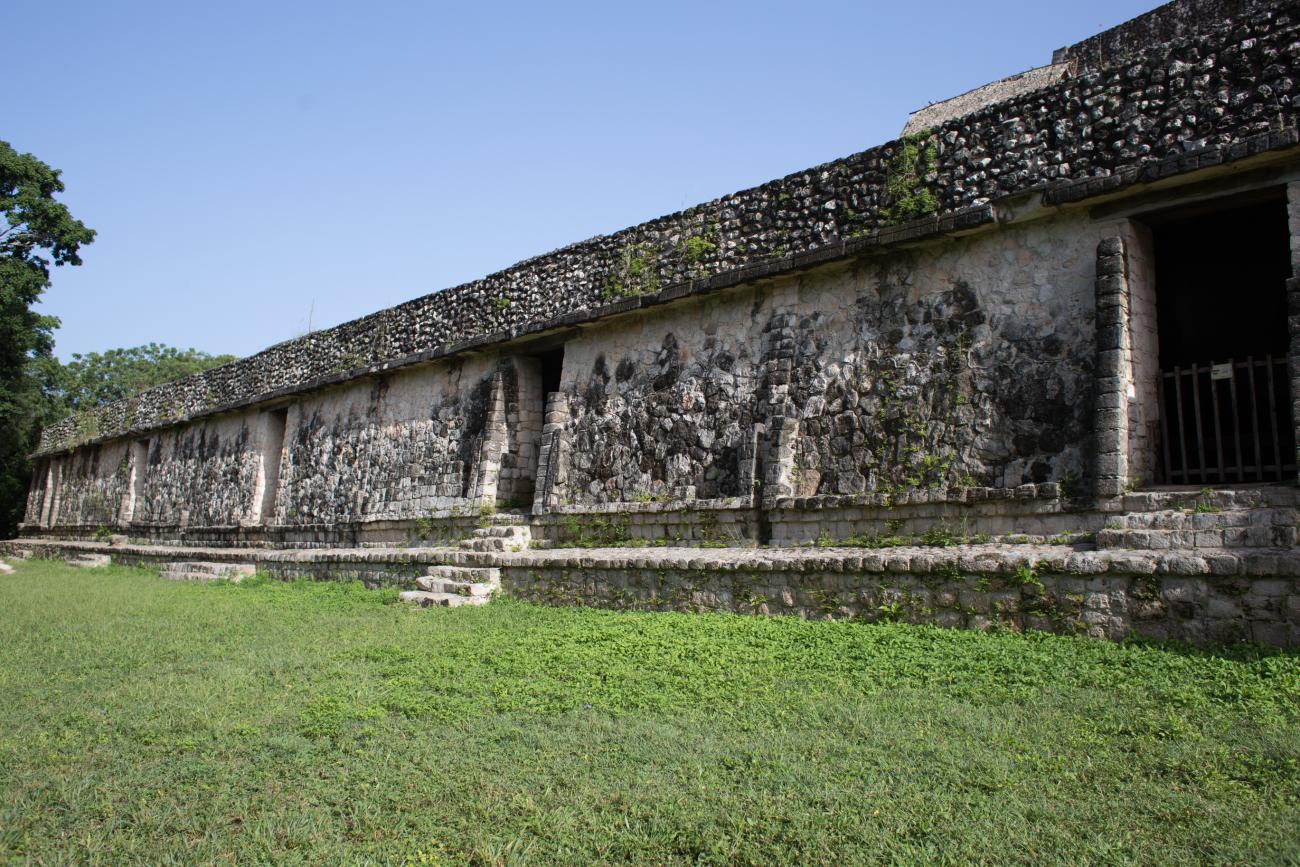
Ek Balam makes a good eastern Yucatán day because it feels different from Chichén Itzá without requiring another huge schedule. The site is near Valladolid, and the official INAH page lists current opening information, fees, access notes and visitor rules. Check that page before you go because details can change.
Visit in the morning, carry water and allow time for the approach between structures. The Acropolis is the visual focus, and the preserved stucco details are a useful reason to take a guide or read about the site in advance. Keep children close on steps and elevated areas, and follow all current restrictions. The history is worth explaining as a Maya city with its own political and artistic identity, not simply as a smaller version of Chichén Itzá.
Afterward, choose a single cenote that fits your family’s swimming ability. Ek Balam plus a cenote is enough. If the children are tired, return to Valladolid for lunch and an afternoon in the hotel or central parks. Older children may enjoy a short walk to see more of the town, while younger ones may need a quiet hour before dinner.
This is also the day to buy practical souvenirs if you want them: textiles, small crafts or food products are easier to carry when you still have room in your luggage. Ask permission before photographing artisans or residents, and avoid turning a market into a negotiation contest in front of children.
 Ek Balam's Acropolis and restored Maya architecture in Yucatán
Compare Ek Balam and Valladolid tours on GetYourGuide · Browse Valladolid and eastern Yucatán tours on Viator
GuideBest Hotels Near Ek Balam: Where to Stay for the Ruins and Cenote XcanchéA practical guide to choosing accommodation near Ek Balam, from the small village's nature-focused stays to Valladolid hotels with easier transport, restaurants, and evening life.Open
Day 7 — Choose one coast, wildlife or departure plan
The final day should match your flight and your family’s energy. If you have a late departure from Mérida and are back in that city, Progreso is the simplest beach addition. It has a Gulf beach, a long pier and a malecón, unlike inland Mérida. Allow time for traffic, changing clothes and returning the rental car; do not schedule a beach morning before a flight that cannot tolerate delays.
Celestún is a better choice for families excited by birds, mangroves and a boat outing, but it is a longer day from Mérida. Boat trips depend on local conditions, wildlife behavior and operating arrangements, so avoid promising a guaranteed close encounter. The reserve is the point, not a staged animal show. Pair the boat trip with a modest beach walk only if the family has energy.
If you are still in Valladolid, a final slow breakfast, one nearby cenote or a direct transfer to Mérida may be wiser than forcing a coast excursion. The last day is often when children need the least ambitious plan. A holiday ends well when everyone remembers the water, food and stories—not the argument caused by a missed connection.
For a coastal overnight, book the extra night before arriving rather than assuming a last-minute room will suit a family. For a day trip, check road conditions, weather and the return schedule. Yucatán’s flat landscape can make distances look easy on a map while the actual heat and stops make the day longer.
Compare Celestún experiences on GetYourGuide · See Yucatán coast options on Viator
Transport choices for families
Rental car
A car gives the most control for cenotes, Uxmal, Ek Balam and flexible meal stops. It also puts the adults in charge of navigation, fuel, parking, child seats and driving after a hot day. Inspect the vehicle carefully, photograph existing damage, confirm insurance terms and make sure the child-seat arrangement is actually available. Avoid driving tired after an early archaeological visit.
Roads vary in lighting, shoulders and traffic. Keep the route simple, use daylight when possible and do not assume every rural turn has strong signage. Download maps before leaving city coverage, but treat the map as assistance rather than a substitute for local signs.
Buses and colectivos
ADO buses connect major cities and are useful for Mérida–Valladolid travel. Colectivos can be inexpensive for short routes, but they may have limited luggage space and less predictable boarding arrangements for a family with a stroller. Ask at the station or your accommodation for the current departure point and payment method.
Public transport works best when you keep the day’s stops close together. It is less convenient for a chain of three cenotes or a remote ruin. A taxi or local driver can fill the gap, but agree on the destination and fare before setting off and use an established service recommended by your accommodation.
Tours and private transfers
A tour can remove navigation and ticket logistics, particularly for Chichén Itzá. Read the itinerary carefully: some products bundle several attractions and leave little time at each. A private transfer is useful between bases when you want a direct ride but do not need a guide. For families, the most valuable feature is often flexibility around stops and bathroom breaks, not luxury.
Choosing cenotes with children
Ask five questions before booking or arriving:
- Is there a shallow section, platform or ladder suitable for the least confident swimmer?
- Are life jackets available in children’s sizes, and are they required?
- How many stairs lead to the water, and is the surface slippery?
- Are changing rooms, toilets, shade and lockers available?
- Can the adults supervise comfortably from the edge?
A cenote’s popularity is not a safety rating. Some are photogenic but deep; some have rough access; others are busy with groups. Children should never be left unsupervised near the water, even if they swim well. Keep phones and cameras secured, and follow instructions from the site staff.
Natural water can feel cold after a hot walk. Pack a light layer, especially for children who stop moving once they are in the water. Bring reef-safe or biodegradable products only when the site allows them, and apply nothing before swimming if the local rule is to enter clean. The goal is to protect the water system as well as your family’s skin.
Food without making every meal a project
Yucatecan food is a reason to travel, but children do not need to sample every specialty at once. Start with familiar formats and add regional flavors gradually. Markets often offer tortillas, rice, fruit, grilled meats and simple breakfasts alongside more distinctive dishes. Ask what is spicy rather than assuming that a dish’s color tells you how hot it is.
Try local specialties such as panuchos, salbutes, sopa de lima, cochinita pibil or marquesitas when the family is ready, but do not turn refusal into a cultural lesson. Hydration is more important than culinary ambition. Carry sealed water and choose busy food stalls with good turnover; adults should use their judgment about raw ingredients and food that has been sitting in heat.
Meal timing helps. Eat breakfast before a ruin, have a planned lunch after swimming, and keep fruit or packaged snacks available for the gap between a taxi and a late dinner. If anyone has allergies, learn the Spanish words in advance and show the explanation clearly. Kitchens vary in their ability to handle cross-contact, so communicate cautiously.
Heat, rain and the best season for a family trip
The dry season, broadly November through April, is usually the easiest period for long outdoor days, though it is also a popular travel season. May and June can be very hot. Rainy months can still provide good travel, but showers may arrive suddenly and tropical systems can change coastal plans. Check the forecast close to each excursion rather than planning from a monthly average.
Use the family’s natural rhythm. Outdoor sites belong early; cities and pools can absorb the middle of the day. Hats, breathable clothing, sun protection, water and regular breaks are basic equipment. Watch children for signs of overheating: unusual quietness, headache, dizziness, nausea or confusion are reasons to stop, cool down and seek medical help if symptoms are serious.
Rain is not automatically a cancelled day. A shower can pass quickly, and Mérida or Valladolid offer indoor alternatives. Lightning, flooding, rough water or official closures are different: follow local advice and do not insist on completing a pre-paid plan when conditions are unsafe.
Family accommodation strategy
In Mérida, choose location over an impressive room if you want to walk to plazas and food. In Valladolid, a central location or easy parking can both work; decide whether your family values walking or a simple vehicle exit for day trips. A pool is useful but never a substitute for supervision, shade or a room layout that allows children to sleep.
Ask about connecting rooms, extra beds, cribs, elevators, quiet hours, breakfast timing and cancellation terms. A beautiful historic building may have narrow stairs or no lift. That is not a problem if you know in advance, but it can be a serious surprise with luggage and a sleeping child.
For a seven-day route, reserve Mérida for nights 1–3 and Valladolid for nights 4–6, then use the final night according to your departure. If your flight is early, return to Mérida on Day 6 rather than gambling on a long transfer on departure morning.
What to pack
Pack light enough that two hotel changes do not become a daily argument. Each person needs comfortable walking shoes, sandals with grip, swimwear, a sun hat, breathable clothing and a light layer for air-conditioned buses or cool water. Add a dry bag or plastic-free wet bag for swimsuits, a small first-aid kit, insect repellent and any regular medicines.
For archaeological sites, a small backpack is easier than a large day bag. Check current restrictions on food, tripods and other items before going. For babies and toddlers, bring the specific food or formula you know they tolerate; local shops are useful, but they may not carry your preferred brand.
A child-sized notebook, cards or an audio story can make transport easier without filling the itinerary with screens. Copies of important documents, emergency contacts and accommodation details should be accessible offline. Keep valuables minimal in markets and crowded transport areas.
Adjustments by age
Babies and toddlers
Use Mérida and Valladolid as stable bases, plan one major activity per day and prioritize rooms with practical sleeping arrangements. A carrier is often more useful than a stroller at cenotes and ruins. Private transport becomes more valuable when naps and feeding times are unpredictable.
Primary-school children
Give them choices between two acceptable activities: a ruin or a cenote, a market or a museum, a beach or a rest afternoon. Small missions—spot a Chaac mask, find three colors in a market, draw a courtyard—turn sightseeing into participation.
Teenagers
Include swimming, photography, food, caves or a more detailed guide-led archaeology visit. Allow some independent time within safe boundaries, and involve them in route decisions. Teens are more likely to enjoy an early start when they understand what the light and heat will be like later.
What to cut if the family is tired
Cut the second cenote before cutting sleep. Cut an additional ruin before turning the whole day into a race. Cut a distant beach detour before risking a late airport transfer. The strongest version of this itinerary is not the one with the most attractions; it is the one that leaves enough energy for children to notice where they are.
If you have only five days, use Mérida for two nights and Valladolid for two, then choose either Uxmal or Chichén Itzá rather than both. If you have ten days, add rest days before adding more destinations. A night in Celestún or Progreso can be worthwhile when the family wants the coast, but it should be a deliberate change of rhythm.
Final recommendation
For most families, book three nights in Mérida and three in Valladolid, make Uxmal and Chichén Itzá separate mornings, choose only one carefully checked cenote on each eastern day, and keep the final day flexible. That structure gives children repeated chances to swim and adults enough history, food and landscape to make the trip feel distinctly Yucatecan without turning every hour into a transfer.