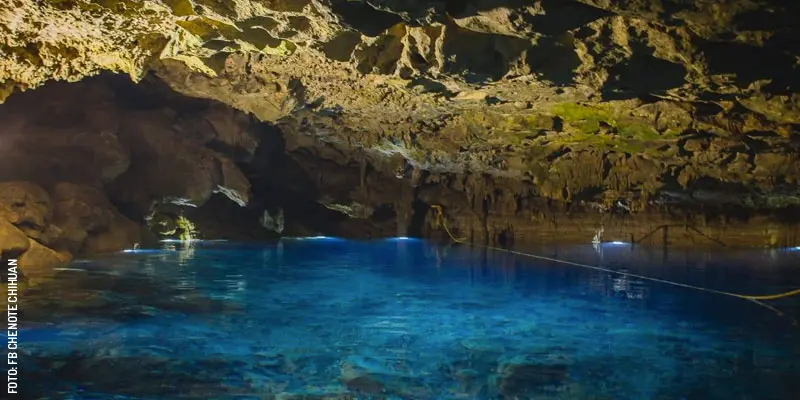
Sacred water, jungle light, and a classic Chichén Itzá stop
Cenote Ik Kil is one of the most famous cenotes in Yucatán, and it is easy to understand why. The water sits deep inside a round limestone opening, with vines hanging from the rim, small streams falling down the walls, and sunlight pouring into the center of the pool. It feels dramatic, almost theatrical, especially when you first step down from the bright surface into the cool stone passage that leads to the water.
 Cenote Ik Kil near Chichén Itzá with hanging vines and deep blue water
The cenote is located just a few minutes from Chichén Itzá, which makes it one of the easiest places to swim after visiting the archaeological zone. For many travelers, the day follows a natural rhythm: ruins in the morning, cenote swim afterward, then lunch or a stop in Valladolid before heading back to Mérida, Cancún, Playa del Carmen, or Tulum.
Ik Kil is not a hidden cenote. It is popular, organized, and built to receive a lot of visitors. That can be a positive thing if you are traveling with children, older relatives, or first-time cenote swimmers. There are changing areas, lockers, showers, restrooms, parking, life jackets, and food options. The tradeoff is that you should expect crowds, especially late in the morning and early afternoon when tour buses arrive from Chichén Itzá.
GuideCenote Saamal Guide: Valladolid, Selva Maya & Chichén Itzá Swim StopCenote Saamal is an open, developed cenote set within Hacienda Selva Maya just outside Valladolid in the Yucatán, offering changing rooms, lockers, showers, life‑jackets and a restaurant. Admission costs are not listed in the article; hours may vary with season and holidays, so visitors should check ahead. Getting there is easiest by taxi, rental car, private driver or an organized tour; from Valladolid it is a short drive, while from Mérida it fits into a full‑day loop that also includes Chichén Itzá and Valladolid, and from the Riviera Maya it is usually part of a Chichén Itzá tour that stops at the cenote for lunch. A visit typically lasts one to two hours, longer if you eat on site. The price usually covers entry to the water and use of basic facilities, with optional lunch at the hacienda’s buffet; drinks are generally extra and cash in pesos is recommended. Swimmers can expect a large limestone‑walled pool with a waterfall, stairs down to the platform and required or recommended life jackets. The water is cool and refreshing after walking the ruins, but the stairs can be steep, so wear grip sandals and keep sunscreen off the water. Arriving early in the morning or later in the afternoon avoids the busiest tour‑bus crowds; mid‑day can be hot but also the most popular time. Families appreciate the clean amenities, but the site is not suited for those seeking a quiet, undeveloped cenote or for visitors unable to manage stairs. Bringing a swimsuit, towel, dry clothes, cash and a waterproof bag will make the visit smoother.Open
Why Ik Kil feels so special
Ik Kil is an open cenote, formed when the roof of a limestone cavern collapsed and exposed the freshwater below. Unlike cave cenotes, where the experience is enclosed and shadowy, Ik Kil is open to the sky. The round opening above the water creates a natural amphitheater, and the greenery softens the high stone walls.
The descent is part of the experience. From the upper level, you look down into the cenote and see swimmers floating far below. Then you follow the stairs through the rock, passing small viewpoints along the way, until the full scale of the cenote opens in front of you. The water is deep, cool, and refreshing, especially after walking around Chichén Itzá in the heat.
The vines are what many people remember most. They hang from the rim toward the water, giving the cenote a wild, jungle-like feeling even though the site itself is developed and easy to access. When the sun is high, the light catches the falling water and creates a glowing effect on the surface. Early or late in the day, the atmosphere can feel calmer and more sacred.
 Looking up through the limestone walls and vines of Cenote Ik Kil
A place with sacred meaning
Cenotes were essential to Maya life. In a region with few surface rivers, they provided access to freshwater and helped shape where communities could grow. They were also spiritually important, often understood as entrances to the underworld and places connected to rain, fertility, and the sacred landscape.
Ik Kil is often described as a sacred cenote, and its location near Chichén Itzá adds to that sense of history. While today it functions as a visitor attraction, it is worth remembering that cenotes are more than scenic swimming holes. They are fragile freshwater systems and culturally meaningful places.
A respectful visit is simple: shower before entering, avoid sunscreen or lotions in the water, do not pull on vines or roots, do not throw coins, and follow posted rules. Small choices matter because cenotes are connected to the wider underground water system of the peninsula.
What to expect when you arrive
Ik Kil is part of a managed visitor complex rather than a rustic cenote in the forest. After parking and entering, you will find ticket areas, restrooms, changing rooms, showers, lockers, and paths leading toward the cenote. Life jackets are typically required for swimming, even for confident swimmers, so plan on wearing one in the water.
The stairs down to the cenote can be wet, so take your time and wear sandals or water shoes with decent grip. The stone can feel slippery, especially when the site is busy and many people are moving up and down at once. If you are visiting with children, keep them close on the stairs and near the platforms.
The water is deep, so Ik Kil is better for floating and swimming than for casual wading. This is not a shallow splash area. Confident swimmers will enjoy moving toward the center and looking up at the vines and sky. Less confident swimmers can stay closer to the edges, hold onto ropes or designated areas where available, and use the life jacket properly.
Best time to visit Cenote Ik Kil
The best time to visit depends on what kind of experience you want. For fewer crowds, arrive close to opening or later in the afternoon. For brighter light inside the cenote, late morning and midday can be beautiful, but this is also when the site is often busiest.
Many people visit Chichén Itzá first and then cool off at Ik Kil afterward. That makes practical sense, especially because the ruins are best explored before the strongest heat of the day. However, it also means that the cenote can fill up between late morning and mid-afternoon.
If you have a rental car and want a quieter swim, consider arriving at Ik Kil early, then continuing to Chichén Itzá. Just be aware that this may put you at the archaeological zone during a hotter part of the day. Another good strategy is to enter Chichén Itzá right when it opens, keep your visit focused, and arrive at Ik Kil before the lunch rush.
Weekends, holidays, and school vacation periods are usually busier. If you are visiting during Easter week, Christmas/New Year, or a long weekend in Mexico, expect more people and move with patience.
How to get there
Cenote Ik Kil is located near Pisté, very close to Chichén Itzá. From the archaeological zone, the drive is only a few minutes. From Valladolid, plan on about 40 to 45 minutes by car. From Mérida, the drive is usually around 1 hour 45 minutes to 2 hours, depending on traffic and your starting point. From Cancún or Playa del Carmen, expect a longer day of about 2 to 2.5 hours each way.
Driving is the easiest way to visit because it gives you control over timing. The roads in this part of Yucatán are commonly used by visitors, and parking is available at the cenote. If you are not renting a car, many Chichén Itzá tours include a cenote stop, and Ik Kil is one of the classic options.
Public transportation can get you to Chichén Itzá or Pisté, but the final connection to the cenote may require a taxi. Before relying on that option, confirm how you will get back, especially if you are traveling later in the afternoon.
What to bring
Bring a swimsuit, towel, dry clothes, sandals or water shoes, and pesos in cash. Cards may be accepted in some areas, but cash is always useful for entrance fees, snacks, tips, taxis, or small purchases. A waterproof phone pouch can be helpful if you want photos, but be careful on wet stairs and near the water.
Avoid applying sunscreen, body oil, insect repellent, or lotion immediately before swimming. Even “reef-safe” products do not belong in cenote water. If you have been wearing sunscreen at Chichén Itzá, shower thoroughly before entering the cenote.
Leave valuables at your hotel or locked safely out of sight in your vehicle. Lockers are usually available, but the easiest way to relax is to travel light.
Is Ik Kil good for families?
Ik Kil can be a good family stop because the facilities are organized and the setting is memorable. Kids who are comfortable in water often love the scale of the cenote, the vines, and the feeling of swimming inside a natural stone well.
That said, families should take the depth seriously. Children should wear life jackets correctly and stay within arm’s reach if they are young or uncertain swimmers. The stairs can also be tiring after a hot morning at Chichén Itzá, so do not rush the descent or climb back up.
For toddlers, babies, or travelers with mobility concerns, Ik Kil may be less comfortable than it looks in photos. There are stairs, crowds, wet surfaces, and deep water. Families with older children and teens will likely find it easier and more rewarding.
Food, timing, and nearby stops
Ik Kil has food options on site, and many tours include a buffet-style lunch with the cenote visit. If you are traveling independently, you can also eat in nearby Pisté or continue to Valladolid for more variety.
A classic itinerary is Chichén Itzá in the morning, Ik Kil for a swim, and Valladolid in the afternoon. In Valladolid, you can walk around the main square, visit Calzada de los Frailes, stop for ice cream, or have an early dinner before driving back.
From Mérida, this makes a full but manageable day trip. From the Riviera Maya, it is a longer day, so avoid packing in too many extra stops. One major archaeological site, one cenote, and one town stop is enough for most travelers.
Final take
Cenote Ik Kil is famous, busy, and absolutely worth considering if you are already visiting Chichén Itzá. It is not the most secluded cenote in Yucatán, but it is one of the most visually impressive and convenient. The combination of hanging vines, high limestone walls, deep water, and easy access makes it a memorable introduction to the cenotes of the peninsula.
Go early if you want fewer crowds, bring cash, use the showers, skip sunscreen before swimming, and give yourself enough time to enjoy the view from above before heading down. Treated with respect and realistic expectations, Ik Kil can be one of the most beautiful stops on a Yucatán road trip.