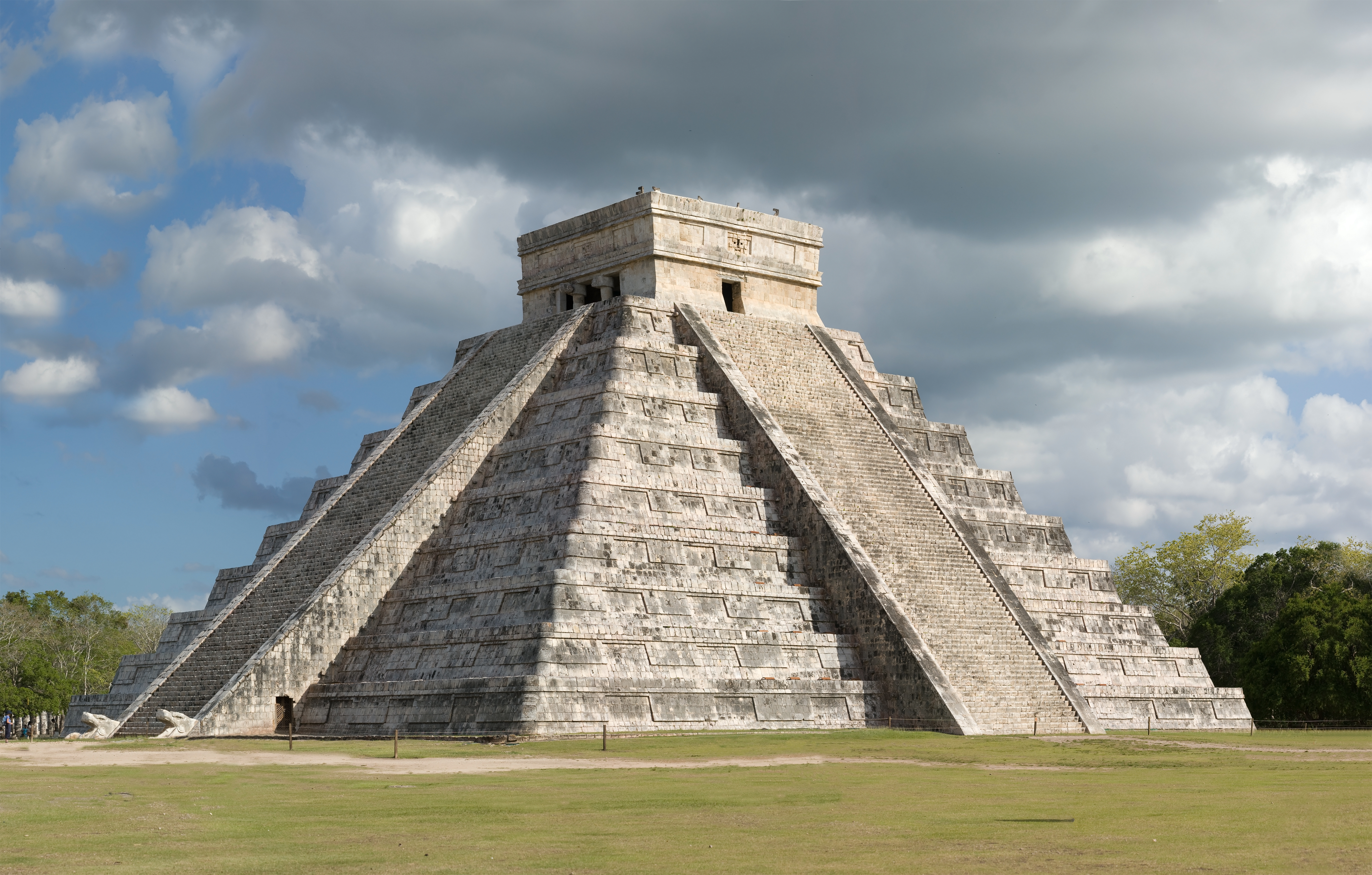
A private Chichén Itzá tour is worth considering when the day matters more than the lowest possible price. You are travelling a long way to one of Yucatán’s busiest archaeological sites, and a private vehicle gives you control over departure time, stops, pace, and the people sharing the day. It does not automatically make the visit better, though. The quality depends on the guide, the timing, the clarity of the inclusions, and whether the itinerary tries to fit too much into one hot day.
The most useful private formats are a direct Chichén Itzá visit from Mérida, a Chichén Itzá and cenote day, and a longer route that adds Valladolid or Izamal. From Valladolid, a private tour can be shorter and more relaxed. From Cancún or the Riviera Maya, the journey is possible but the day is much longer; this guide focuses on Yucatán State bases and treats the coast only as a route-planning comparison.
Quick answer: which private tour is best?
For most travellers staying in Mérida, choose a private Chichén Itzá tour that leaves early, includes a qualified archaeological guide for the site, and keeps the rest of the day to one meaningful extra stop. A cenote is the simplest combination. Add Valladolid only if you accept a later return and a shorter visit at each stop. Add Izamal instead when colonial streets and convent architecture interest you more than swimming.
| Your priority | Best private format | Main trade-off |
|---|---|---|
| See the ruins in cooler weather | Early private transfer with a site guide | Very early departure from Mérida |
| Combine history and swimming | Chichén Itzá plus one cenote | Less time for Valladolid |
| See a colonial Yucatán town too | Chichén Itzá plus Valladolid | A full, long day |
| Keep the day gentle | Stay near Chichén Itzá or depart from Valladolid | Less convenient from Mérida |
| Choose your own pace | Private vehicle and guide booked separately or together | More details to coordinate |
| Travel with children or older relatives | Private door-to-door vehicle | Usually more expensive than a shared bus |
| Photograph the site carefully | Early arrival and a patient guide | Weather and crowds still vary |
The phrase “private tour” can mean different things. Sometimes it means a vehicle reserved for your group but a shared guide at the archaeological zone. Sometimes it includes a bilingual driver-guide. Sometimes the guide is an independent specialist who meets you at the entrance while a separate driver handles the road. Ask which arrangement you are buying before paying.
Compare Chichén Itzá tours on GetYourGuide · See private Chichén Itzá options on Viator
 El Castillo and the Great Plaza at Chichén Itzá in Yucatán
What a private Chichén Itzá tour should include
A good private day is not defined by a long list of inclusions. It is defined by clear responsibility. You should know who drives, who explains the monuments, who pays admission, where you meet the guide, and what happens if weather or site rules change.
Transportation from your actual accommodation
Hotel pickup is straightforward in central Mérida, but “Mérida pickup” can cover a wide area. Confirm whether the vehicle reaches your hotel, apartment, guesthouse, or airport hotel. If you are staying outside the centre, the operator may use a meeting point or add a supplement. Give the exact accommodation name and neighbourhood, not just “Mérida”.
A private vehicle should have enough space for everyone’s day bags and water. Air-conditioning is important on the road, but it should not be used as a reason to carry an enormous amount of luggage. If you are continuing to Valladolid, the coast, or another destination after the tour, confirm whether luggage is allowed and whether drop-off is possible.
A real guide at the ruins
The archaeological site is large enough that a short explanation at El Castillo is not the same as a guided visit. Ask whether a guide enters Chichén Itzá with you and for how long. A driver who knows the route can be useful, but driving knowledge and archaeological interpretation are different skills.
A strong guide gives you a framework for reading the site: how the ceremonial centre relates to the Great Ball Court, why the Temple of the Warriors is important, what can and cannot be said about sacrifice, how older and later phases overlap, and how the city fits into wider Maya history. They should also distinguish evidence from popular tour stories. Be wary of anyone promising certainty about every ritual detail.
Clear admission arrangements
Some tours include archaeological-site admission; others ask you to pay at the entrance. Neither arrangement is automatically better. What matters is that the listing says so clearly. Entrance rules, fees, payment methods, and operating procedures can change, so check the official INAH information before departure and keep some Mexican pesos available even when a listing says cards are accepted.
You should also ask whether a cenote fee, parking, tolls, meals, drinks, lockers, and tips are included. “All-inclusive” is often used casually in tour marketing and may not mean every possible expense is covered.
Time that belongs to your group
Private means you can ask questions, pause for photographs, and move more slowly when needed. It does not mean you can ignore site regulations or climb closed monuments. Chichén Itzá’s paths, barriers, and access rules control what visitors can do.
Ask how much time is planned inside the archaeological zone. Around two hours can work for a highlights visit with a focused guide, but travellers who want to absorb the architecture, museum areas when open, and less central structures may prefer longer. If a tour promises a full guided archaeological visit, a cenote swim, a substantial lunch, Valladolid, and an early return to Mérida, read the timing carefully. The route may be possible only as a series of brief stops.
Private tours from Mérida
Mérida is the most common base for a private Chichén Itzá day trip. The road journey is long enough that private transport changes the experience: you can leave before the hottest part of the morning, avoid collecting other passengers, and decide whether to stop on the return.
A direct drive from Mérida normally takes planning around traffic, road conditions, the exact pickup location, and the operator’s route. Do not build your schedule around a precise minute-by-minute estimate. Leave room for a slower departure, a comfort stop, or a queue at the entrance.
The best Mérida itinerary is usually:
- Early pickup at your accommodation.
- Chichén Itzá as the main visit.
- One cenote or one town stop.
- A simple meal or planned food stop.
- Return to Mérida with no unnecessary detours.
For a private tour that combines the ruins with a cenote, ask which cenote is included and whether swimming is optional. Cenotes vary considerably. Some are open to the sky, some are partly enclosed, and some are organised bathing attractions with changing facilities. The most famous option is not always the quietest or the best fit for someone who dislikes crowds or stairs.
The private-tour listing found through GetYourGuide for a Chichén Itzá and cenote visit is a useful reference point for the format, but read the current itinerary and inclusions rather than assuming every departure is identical. Viator also lists a Chichén Itzá Elite Private Tour from Mérida with a private format and a cenote option. Availability, pickup, language, and price vary by date and group size.
Compare current Mérida departure options on GetYourGuide · Check the Viator private tour listing
GuideBest Cenote Tours from Mérida: How to Choose the Right Swim and Day TripCompare the main cenote tours from Mérida, from Homún and Cuzamá cave circuits to hacienda pools and independent day trips. Choose by transport, pace, swimming comfort, and what else you want to see.Open
When Mérida is the right base
Mérida works well if you want one hotel for several nights and plan to combine Chichén Itzá with Uxmal, Celestún, Progreso, or the city’s historic centre. It is less efficient if Chichén Itzá is the only reason for your Yucatán trip. In that case, spending a night in Valladolid, Pisté, or near the site can reduce road time and make an opening-time visit easier.
A private tour from Mérida is also practical for a mixed group. A family can stop when a child needs a break. Older travellers can avoid changing buses. A couple can choose a slow architectural visit rather than following a fixed group. These advantages are real, but they are strongest when the operator agrees to a realistic day rather than selling every possible attraction in one package.
Private tours from Valladolid or Pisté
Valladolid is much closer to Chichén Itzá than Mérida, so a private visit from this base can begin later or leave more time for the site. It is a sensible choice if your itinerary already includes Ek Balam, cenotes, or the eastern part of Yucatán.
From Valladolid, the most comfortable structure is often a morning archaeological visit followed by lunch and either a cenote or a return to town. You can also visit a second attraction, but the point of staying east is to avoid turning the day into a long transfer.
Pisté and the immediate Chichén Itzá area offer an even shorter route. This is useful for travellers who want to enter near opening time, visit at a slower pace, or attend an evening programme when one is operating. Check current schedules directly because special events and night experiences are separate from ordinary daytime admission.
A private guide from Valladolid may meet you at your accommodation or at the archaeological zone. Confirm this in writing. If the driver is collecting you from Valladolid and the guide is meeting you at the site, ask who handles tickets and where the vehicle waits. These small details prevent confusion at a busy entrance.
Browse Valladolid-area Chichén Itzá experiences on GetYourGuide · See Valladolid tour inventory on Viator
Check current Valladolid hotel rates on Booking.com · Compare Valladolid stays on Trip.com
GuideComplete Guide to Chichén Itzá: Tickets, Hours, Tours, Cenotes & TipsChichén Itzá is the world‑famous Maya archaeological zone located near Pisté in the municipality of Tinum, Yucatán, and is typically accessed from Valladolid, Mérida, Cancún, Playa del Carmen or Tulum. The site is generally open daily from 08:00 to 16:00 with the last entry recorded at 15:00, although visitors should verify the exact hours before travelling. Admission is split between a federal INAH fee of MXN 105 and a state fee of MXN 592 for foreign adults (MXN 697 total) or MXN 205 for Mexican nationals (MXN 310 total); discounts may apply for children, students, seniors or Yucatán residents who present valid ID. Reaching the ruins takes about 40–45 minutes from Valladolid, 1.5–2 hours from Mérida, and 2.5–3 hours from Cancún or Playa del Carmen; travel can be done by rental car, taxi, colectivo or organized tour, with tours often including the entrance fee. A visit usually requires 2.5–4 hours for a quick overview, or 4–5 hours if the on‑site museum and a more relaxed pace are desired. Visitors are advised to arrive at opening to avoid the heat, crowds and vendor pressure that build up later in the morning. Early arrival provides cooler weather, better lighting for photos and shorter queues at El Castillo and the Sacred Cenote. Bring plenty of water, sun protection and cash in pesos; many tours bundle transport, guide services and cenote stops, so check the inclusions carefully. Staying overnight in Valladolid or Pisté makes an early start easier, while a guide is not mandatory but recommended for first‑time visitors who want contextual information.Open
The main private itinerary formats
Chichén Itzá only
This is the best format for history-focused travellers who want time inside the ruins. It also makes sense when you are staying near the site and do not need a full-day transfer from Mérida. The day has fewer moving parts, and the guide can spend more time on the Great Ball Court, the Temple of the Warriors, the Observatory, the Nunnery complex, and the central plaza.
A direct visit may sound less exciting than a three-stop package, but it is often more rewarding. Chichén Itzá is not a single pyramid beside a car park. It is a broad archaeological landscape. Heat, walking distance, and the number of visitors all affect how much you can take in.
Chichén Itzá and one cenote
This is the classic private combination. It pairs a dry, history-heavy morning with a swim or cool-water break. It works well for couples and families, especially when everyone is comfortable changing clothes and carrying a towel.
Ask whether the cenote is before or after lunch, how long you actually spend in the water, and whether life jackets are required. Follow the cenote’s environmental rules. Do not wear sunscreen, body lotion, or other products into the water unless the site explicitly permits them; many cenotes ask swimmers to rinse first.
The combination is less suitable for travellers who do not swim or who want an extensive archaeological explanation. In that case, replace the cenote with more time at Chichén Itzá or a town visit.
 The open Cenote Ik Kil near Chichén Itzá, Yucatán
Chichén Itzá and Valladolid
Valladolid adds colonial architecture, a central plaza, and a different sense of present-day Yucatán. It is a good choice when someone in your group would rather walk a town than swim in a cenote.
The drawback is time. A tour that leaves Mérida, spends a substantial period at Chichén Itzá, eats lunch, and adds Valladolid is a full day. Decide whether you want a guided walk in Valladolid or only a short orientation. If the listing claims both towns and ruins receive a complete guided visit, ask for the approximate duration at each.
A private vehicle makes this route easier because you do not need to coordinate separate buses, but it cannot shorten the roads themselves. Keep the day flexible and expect to return later than a direct ruins visit.
 A street scene in Valladolid, Yucatán, useful as a private-tour add-on
Compare Chichén Itzá and Valladolid tour options on GetYourGuide · See Viator options in Valladolid
GuideComplete Guide to Chichén Itzá: Tickets, Hours, Tours, Cenotes & TipsChichén Itzá is the world‑famous Maya archaeological zone located near Pisté in the municipality of Tinum, Yucatán, and is typically accessed from Valladolid, Mérida, Cancún, Playa del Carmen or Tulum. The site is generally open daily from 08:00 to 16:00 with the last entry recorded at 15:00, although visitors should verify the exact hours before travelling. Admission is split between a federal INAH fee of MXN 105 and a state fee of MXN 592 for foreign adults (MXN 697 total) or MXN 205 for Mexican nationals (MXN 310 total); discounts may apply for children, students, seniors or Yucatán residents who present valid ID. Reaching the ruins takes about 40–45 minutes from Valladolid, 1.5–2 hours from Mérida, and 2.5–3 hours from Cancún or Playa del Carmen; travel can be done by rental car, taxi, colectivo or organized tour, with tours often including the entrance fee. A visit usually requires 2.5–4 hours for a quick overview, or 4–5 hours if the on‑site museum and a more relaxed pace are desired. Visitors are advised to arrive at opening to avoid the heat, crowds and vendor pressure that build up later in the morning. Early arrival provides cooler weather, better lighting for photos and shorter queues at El Castillo and the Sacred Cenote. Bring plenty of water, sun protection and cash in pesos; many tours bundle transport, guide services and cenote stops, so check the inclusions carefully. Staying overnight in Valladolid or Pisté makes an early start easier, while a guide is not mandatory but recommended for first‑time visitors who want contextual information.OpenChichén Itzá and Izamal
Izamal is a different kind of second stop. Its yellow-painted historic centre, convent, plazas, and Maya remains make it a strong match for travellers interested in layered history and architecture. It is not a natural add-on to every Chichén Itzá route, so check the map and the operator’s promised timings before booking.
This combination is particularly attractive if you have little time in Yucatán and want both a major archaeological site and a Pueblo Mágico atmosphere. It is less appropriate if your priority is swimming, wildlife, or a slow afternoon.
 The Convent of San Antonio de Padua in yellow-painted Izamal, Yucatán
Chichén Itzá with an onward drop-off
Some private operators can take travellers from Mérida to Chichén Itzá and continue to Valladolid or another destination. This can save a hotel change transfer, but it requires careful luggage planning. Ask whether the vehicle is suitable for your bags, whether the drop-off address is included, and whether the tour remains private after the archaeological visit.
Do not choose this format if it leaves no buffer for road delays. A missed check-in window or late evening arrival can erase the convenience of the arrangement.
How to choose the guide
The guide is the most important part of a private archaeological tour. Search results and star ratings can tell you something about reliability, but they do not show how a person explains Maya history or responds to questions.
Look for a listing that identifies the language, the guide arrangement, the group size, and the approximate time inside the site. Ask whether the guide is licensed or authorised for the archaeological zone where relevant. If you are interested in architecture, astronomy, epigraphy, or colonial history, say so when booking. A guide cannot tailor a visit to interests they do not know.
A good guide should be comfortable saying “we do not know” when evidence is incomplete. Chichén Itzá attracts simplified stories because they are easy to remember. The city’s history is more interesting than a set of dramatic claims: it was a major Maya centre with changing political and cultural connections, monumental architecture, trade links, ritual life, and a long history of research and interpretation.
Ask for the guide’s name and meeting point. If the tour sells a “private guide” but gives no information about whether the guide rides from Mérida or meets at Chichén Itzá, request clarification. If you are travelling with children, ask for explanations that work for different ages rather than a two-hour lecture.
Timing: early is usually better
An early arrival improves three things at once: temperature, light, and the chance of seeing the central monuments before the site feels crowded. It does not guarantee an empty plaza, and it may require a very early Mérida pickup. Decide which inconvenience matters more to your group.
The archaeological zone’s published hours and entry procedures can change. Check the current INAH information shortly before your date instead of relying on an old blog or a tour description copied from another year. Special events, maintenance, weather, and crowd-management measures can affect the day.
Avoid scheduling a flight, bus, or non-refundable appointment immediately after the tour. Even a well-run private day is exposed to road traffic, a slow entrance, a medical or comfort stop, and the pace of your group. If you must connect onward, stay near the destination the night before or arrange a dedicated transfer rather than combining too many commitments.
What to bring
Wear secure walking shoes. The site is outdoors, the ground can be uneven, and shade is limited in important plazas. Bring a hat, refillable water, insect repellent for later stops, and a light layer for an air-conditioned vehicle. A small towel and dry clothes make a cenote combination easier.
Use sun protection for the archaeological visit, but follow the cenote’s rules about rinsing and biodegradable products. Carry a small amount of cash in Mexican pesos for incidental purchases and tips. Keep passports and valuables in a secure place; take only what you need into the day.
Large bags, drones, tripods, food, and other items may be restricted or subject to current site rules. Ask your operator what is permitted rather than assuming a camera bag will be accepted. A private vehicle is not a reason to bring everything from your hotel room.
Questions to ask before booking
Send these questions before you pay:
- Is the vehicle private for my group from pickup through drop-off?
- Does a guide enter Chichén Itzá, or is the driver the only guide?
- Is the guide included for the full archaeological visit?
- Are entrance fees included, and which fees are not?
- Which cenote or town is included, and how long is the stop?
- Is lunch included, and can dietary needs be accommodated?
- Is hotel pickup available at my exact accommodation?
- Can luggage stay in the vehicle or travel with us to an onward destination?
- What happens if the site changes its hours or a stop closes?
- What is the cancellation policy and payment schedule?
A clear answer is a sign of a serious operator. Vague answers do not necessarily mean the trip will fail, but they transfer too much risk to you.
Private tour versus rental car and independent visit
A rental car gives you control over departure and stops without paying for a guide. It can be a good fit for confident drivers who have several Yucatán road days planned. You still need to research admission, parking, current rules, and whether you want to hire a guide at the site.
A private tour is easier for travellers who do not want to drive after an early start, who want interpretation included, or who are coordinating a group. It also reduces the work of connecting Chichén Itzá with a cenote or town. The trade-off is cost and less independence over the exact route.
Shared tours are usually cheaper and can work well when the fixed schedule suits you. They are less comfortable if you dislike early pickups, multiple hotel collections, sales-oriented stops, or a large group moving at one pace. A private tour is not automatically more educational, but it gives you a better chance to make the day fit your interests.
GuideCancún Airport to Valladolid Transfer: Bus, Private Car and Rental OptionsCompare the practical ways to travel from Cancún International Airport to Valladolid, including ADO buses, private transfers, rental cars, timing, luggage and arrival advice.Open
Is a private tour good value?
Value depends on group size. For one or two people, a private vehicle and guide can be a significant premium over a bus or shared excursion. For a family or group of friends, the difference per person may be more reasonable, especially when the alternative is arranging several taxis or a rental car and separate guide.
Compare like with like. A low headline price may exclude admission, guide fees, lunch, tolls, or a cenote. A higher price may include them, or it may simply reflect a larger vehicle or more flexible cancellation. Read the current product page, select your date and group size, and save the confirmed inclusions.
Do not pay extra for claims that cannot be checked. “VIP,” “exclusive,” and “luxury” are marketing terms unless the listing explains the actual benefit: a smaller group, an early departure, a private guide, a flexible route, or a specific included service.
Who should book a private Chichén Itzá tour?
Book private if you are travelling with children, older relatives, or people with different walking speeds. It is also useful for photographers, history-focused travellers, couples wanting a quiet day, and anyone combining the ruins with a transfer to another Yucatán base.
It may not be worth it if you are comfortable using public transport, have plenty of time, and are happy to visit without a guide. It is also a poor fit if you expect to change the itinerary constantly without confirming what the operator allows. Private does not mean unlimited.
The most important decision is not whether the vehicle has a premium label. It is whether the day leaves enough time for the place you came to see.
Planning the day around different travellers
A private itinerary is especially useful when the group does not have one shared idea of a perfect day. Talk through the route before booking rather than leaving every decision to the driver on the morning itself.
Families with children
Children often enjoy the scale of Chichén Itzá, but the site can be hot and visually repetitive if every explanation is aimed at adults. Ask the guide to build the visit around a few memorable structures and stories, with water and shade breaks. A cenote can be a good reward after the ruins, but swimming immediately before the archaeological visit may leave younger travellers tired. Bring a change of clothes and confirm whether the cenote has changing rooms.
Do not promise children that they can climb the pyramid. El Castillo is closed to climbing, and barriers and restricted areas are part of protecting the site. A private guide can make the rules easier to understand without turning them into a disappointment.
Older travellers and anyone with limited mobility
Ask about the walking distance from the vehicle to the entrance, the surface of the paths, available shade, and the location of restrooms. Chichén Itzá is extensive, and a private guide can shorten the route while still explaining the most important monuments. That is a better plan than promising to see everything and discovering halfway through that the heat is too much.
A cenote is not automatically an accessible add-on. Many require stairs, wet surfaces, or a transfer from the vehicle to changing facilities. If swimming is not essential, a town or museum stop may be more comfortable. Tell the operator about mobility needs in specific terms before booking.
Travellers who want photography
Early light is one reason to choose a private departure, but photography is still subject to visitor rules and crowd movement. A guide can help you understand where you may stand and how to avoid blocking paths. Do not build the day around a single photograph of El Castillo; the angle, clouds, and visitor flow will change.
If you carry specialist equipment, ask in advance about tripods, drones, and bag restrictions. A phone and small camera are easier than a full kit. Photographing people, vendors, or ceremonial activity deserves the same courtesy you would use anywhere in Yucatán: ask when consent is needed and do not treat local life as scenery.
History-focused travellers
Tell the guide that you want context rather than a rapid highlights loop. Ask for time at the Great Ball Court, Temple of the Warriors, Observatory, and Nunnery complex as well as El Castillo. The site’s meaning is not contained in one monument. Its architecture, inscriptions, sculpture, water features, and relationship to other Maya centres all reward slower attention.
If your interest is specialised, such as Maya astronomy or epigraphy, verify that the proposed guide has experience in that subject. A private label alone does not guarantee specialist knowledge. It is reasonable to request a general outline of the visit and to explain that you prefer evidence-based interpretation over dramatic certainty.
Final recommendation
For a first visit from Mérida, choose an early private Chichén Itzá and one-extra-stop tour, with the archaeological guide and admission arrangements written clearly before departure. Pick a cenote if your group wants a swim, Valladolid if you want a town, and Izamal if layered architecture matters more. From Valladolid or near Pisté, keep the itinerary simpler and spend the saved road time inside the ruins.
Check the current INAH operating information, compare the exact GetYourGuide and Viator inclusions, and ask direct questions about the guide. A private Chichén Itzá day is at its best when it feels unhurried—not when it claims to contain every highlight in Yucatán.
Check current Chichén Itzá tour availability on GetYourGuide · Compare private tours on Viator
For travellers extending the trip, check current rates near Chichén Itzá on Booking.com · compare nearby stays on Trip.com
The best private tour is the one that gives Chichén Itzá enough time to be more than a photograph between transfers.