
Espita is a good place to stay when you want to see a quieter, more local side of eastern Yucatán. It is an inland town, not a resort and not a substitute for a beach base. The reward is a slower rhythm: a central church, a shaded park, a working market, colorful streets, local celebrations, and easy access by car to the northern interior. You can spend a morning walking around town, return to a cool room during the hottest part of the day, and use the afternoon for a nearby archaeological site or cenote.
The accommodation market is small. That is important to understand before booking. Espita does not have a long list of large hotels with identical facilities, and room availability can change quickly. The strongest clearly documented option is a small boutique property in the center. There are also simple local guesthouses and private rentals, but these may not appear consistently on the major booking sites. For some travelers, that limited choice is exactly the point. For others, staying in Valladolid or Tizimín will be easier.
 Street and buildings in Espita, Yucatán
The short answer: where should you stay in Espita?
For most visitors who specifically want to sleep in Espita, Casona los Cedros is the best-known boutique choice. It is in the town center, has a small number of rooms, a garden and swimming pool, and an on-site restaurant. Its setting makes it suitable for travelers who want a comfortable, quiet base and do not need a full-service resort. The hotel’s own website describes the property as a restored historic building combined with contemporary rooms and garden spaces. Current facilities, age policies, room categories, and rates should be checked directly before booking.
If you want the most local and economical experience, look for a family-run posada or private room in town. These can be practical for one or two nights, especially if you are traveling with a car and plan to spend most of the day outside. The trade-off is that information, payment arrangements, air-conditioning, parking, and check-in procedures may need to be confirmed in Spanish before arrival. Do not assume that a simple guesthouse includes the same services as a hotel listed on an international platform.
If you want a broad choice of rooms, restaurants, transport connections, and established tour infrastructure, use Valladolid or Tizimín as your base and visit Espita as a day trip. Valladolid is the more useful tourist base for cenotes and the eastern archaeological sites. Tizimín is closer to Espita and functions as a larger regional town. Neither gives you the same experience as waking up in Espita, but both can make a short itinerary easier.
Casona los Cedros: the leading boutique option
Casona los Cedros is the clearest choice for travelers who want a proper boutique-hotel stay in Espita rather than a basic room. The official property information places it in the center of town and presents the project as the renovation of an older Espita building that had been abandoned for many years. The original structure now forms part of the reception and bar area, while the guest rooms and garden create a more private, contemporary hotel environment.
The design is restrained rather than resort-like. Descriptions from the hotel and established hotel guides mention local materials, tile, wood, tropical planting, private terraces or patios in some rooms, air conditioning, and a pool. It is the kind of place that works best when you treat Espita as a destination in its own right, not merely as a bed close to an attraction. You can sit in the garden during the quieter hours, walk to the central square, and return without needing to drive between every part of the stay.
The property also has a restaurant. That matters in a small inland town, where evening food choices may be more limited or may operate on local schedules. Having a meal available at the hotel can make arrival easier, particularly if you reach Espita after a long drive. It should not be taken to mean that every service is available all day or that a table is guaranteed; ask about current restaurant hours and whether advance booking is needed.
Casona los Cedros is a good fit for:
- couples looking for a calm, design-conscious stay;
- travelers who want a comfortable base for exploring the eastern Yucatán by car;
- visitors who would rather stay in a small town than in a larger tourist center;
- people who value a pool and a garden after hot days on the road;
- travelers who want an on-site food option without depending entirely on finding dinner after arrival.
It is less suitable if you are looking for a large resort, a busy social hostel, a beachfront setting, or a hotel with many room types and backup availability. Espita itself is inland and has no beach or malecón. If your main plan is swimming in the Gulf, stay on the coast instead. If your main plan is a long list of organized tours, Valladolid will usually be more convenient.
What to confirm before booking Casona los Cedros
Small hotels change their policies and operating arrangements, so verify the details for your dates rather than relying on an old review. Confirm the following directly:
- Room availability and total price. Rates vary by date, occupancy, and room type. The official booking page is the sensible place to check current availability.
- Minimum age. The property’s current booking information describes an age policy for younger children. Make sure it matches the ages in your group before paying.
- Check-in and check-out. Ask what happens if you arrive late, especially after driving from the coast or from Mérida.
- Breakfast and restaurant service. Check what is included in your rate and whether dinner requires a reservation.
- Parking. If you have a rental car, ask where it can be left and whether access is secure overnight.
- Connectivity. Wi-Fi is listed, but rural and small-town service can vary. Download maps and confirmations before leaving a larger city.
- Payment and cancellation. Read the current direct-booking terms. Do not assume that a third-party reservation has the same cancellation conditions.
The official website currently lists the property as Hotel Boutique Cedros and provides direct contact and booking links. Use that source for the final details: Casona los Cedros.
Simple posadas and local guesthouses
Espita has historically had a small collection of basic posadas, family-run rooms, private rentals, and accommodation outside the center. These are worth considering if your priority is price, a local connection, or simply having a bed in town for one night. They are not a single standardized category. One may have air conditioning and private parking; another may be a very simple room where you need to arrange arrival in advance.
This is where a little more preparation pays off. Contact the property before traveling and ask clear questions in Spanish or with a translation tool. Ask whether the room has aire acondicionado, whether the bathroom is private, whether hot water is available, whether there is space for a car, and whether someone will meet you if you arrive after dark. Ask for the exact payment method and whether a deposit is required. Keep the written confirmation and the property’s phone number available offline.
A local guesthouse can be a better value than a boutique room if you will spend nearly all of your time on day trips. It can also be a more appropriate choice for a traveler who wants to support a small family business. The drawback is uncertainty: listings can disappear, descriptions can be out of date, and some places do not accept online reservations. If you are arriving late, traveling with children, or visiting during a local festival, a confirmed hotel reservation is safer than hoping to find a room on the day.
Do not judge a small posada by the standards of a resort. The useful question is whether it is clean, secure, cool enough for sleeping, and conveniently located for your plans. If those conditions are confirmed, a basic room can be entirely adequate in a town where the main experience happens outdoors and in the public spaces.
Is Espita better than staying in Valladolid?
That depends on what you want the base to do for you. Espita is the better choice when the town itself is part of the reason for traveling. You will be close to the main square, the church of San José, the market, and neighborhood streets. Mornings and evenings feel different from the middle of the day, when the heat can be intense. Staying overnight lets you notice that rhythm instead of arriving for a rushed photograph and leaving.
Valladolid is the better choice when you want flexibility. It has a larger accommodation market, more frequent tourist services, more places to eat, and easier access to excursions. It is also a natural base for combining cenotes, Ek Balam, and other eastern Yucatán stops. If this is your first visit to the region and you are not sure how much time to devote to Espita, stay in Valladolid and make a day trip. If you already know you enjoy small towns and have a car, spend one or two nights in Espita.
A practical compromise is to sleep in Valladolid for the first part of an eastern Yucatán route, then move to Espita for one night before continuing north or west. That gives you access to the larger town while still allowing time for the quieter stay. Another option is to use Espita as an overnight between Ek Balam and the northern coast, but calculate the driving carefully and confirm your accommodation before setting out.
Is Espita better than staying in Tizimín?
Tizimín is a regional service center, while Espita is a smaller Pueblo Mágico with a more intimate central area. Choose Tizimín if you need a wider choice of practical lodging, stores, transport, or last-minute supplies. Choose Espita if you want the atmosphere of a small historic town and plan to walk around after checking in.
Tizimín can be a useful fallback when Espita is full. It is also a reasonable overnight point for travelers exploring the northeastern part of Yucatán, including routes toward Río Lagartos and San Felipe. The two towns serve different purposes, so the decision is less about which is universally better and more about whether you want a destination stay or a functional regional base.
Why stay overnight instead of visiting Espita for a few hours?
A day visit can show you the church, park, market, and streets, but it compresses the town into a checklist. An overnight stay changes the timing. You can arrive before the worst heat, walk through the center near sunset, eat without immediately starting a long drive, and visit the market in the morning when local shopping is underway. You also have more time to speak with residents, look for local events, or follow a nearby road without treating every stop as a race against darkness.
The town is not a destination for a packed list of major attractions. Its appeal is cumulative. Architecture, daily life, food, conversation, and the surrounding countryside matter more than one headline sight. Staying for a night makes sense for travelers who appreciate that kind of place. It makes less sense if you only have one free day and your priority is Chichén Itzá or a long list of cenotes.
A one-night stay is enough for a first visit. Two nights work if you want to include a longer day trip to Ek Balam, a cenote, or the northern wetlands. More than two nights is a personal choice rather than a standard recommendation; it suits travelers who want to slow down, photograph, write, cycle, or use Espita as part of a broader rural itinerary.
What to see around your hotel
San José Church and the central park
The church of San José is the visual anchor of Espita. Sources place the church in the historic center and date its establishment to the colonial period, with construction continuing into the early seventeenth century. Its scale and position make it easy to find, but do not treat it as a museum that can always be entered on demand. It is an active religious building. Dress respectfully, keep voices low, and avoid entering during a service unless you are there to participate.
 Iglesia de San José in Espita, Yucatán
The surrounding park is the natural place to pause. Mature trees provide shade, and the square gives you a view of ordinary town life rather than a staged attraction. Go in the morning or later in the afternoon. In the middle of the day, the shaded benches are more valuable than a long walking route.
The market
Espita’s market is most useful in the morning, when local shopping gives the building its purpose and energy. You may see produce, basic groceries, meat, tortillas, and prepared food, depending on the day. The selection and opening pattern are local matters, so do not plan a complicated meal around one stall or assume that a specific dish will be available at a particular hour.
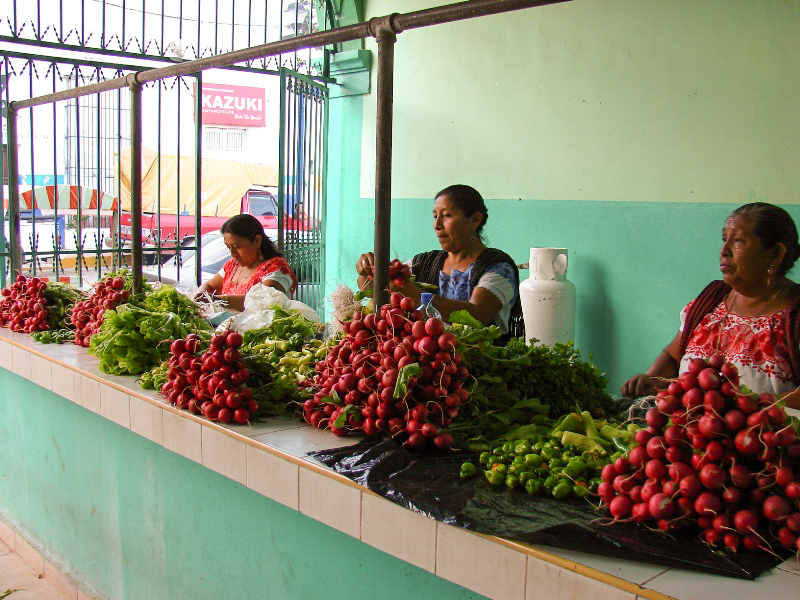 Mercado de Espita in Yucatán
For hotel guests, the market is also a practical orientation point. It can help you understand where the center ends and the residential streets begin, and it may be the easiest place to find a simple breakfast or provisions for a drive. Carry small pesos, ask before photographing people, and buy something if you spend time photographing a stall or its products.
Streets, houses, and local events
Espita rewards unhurried walking. Look at doorways, painted facades, low colonial-era buildings, and the relationship between the street and the shaded interior courtyards. Do not turn residential streets into a photo set. Ask permission before photographing people, homes, workshops, or ceremonies.
The town is known for public celebrations and local traditions. Dates and schedules can change, and a festival may make rooms much harder to find. If your dates overlap with a major celebration, reserve early and expect louder evenings, altered traffic, and more activity around the center. That can be a reason to visit, but it is not the same as a quiet boutique stay.
Day trips from an Espita hotel
A car makes Espita much more useful. Public transport may get you into the town, but the attractions around it are spread out and may not be connected by simple tourist routes. A private driver can work if you arrange the service in advance. A guided excursion is another option, although tours are more commonly organized from larger bases such as Valladolid or Mérida.
Ek Balam
Ek Balam is one of the most logical archaeological day trips from Espita. It is closer than many visitors realize and can be combined with a cenote or a return through Valladolid, depending on current road conditions and opening arrangements. The site is known for its large Acropolis and sculptural details. Wear shoes with a good grip, bring water, and arrive early enough to walk before the heat builds.
 Ek Balam archaeological site in Yucatán
Check official site information before driving. Archaeological access, climbable structures, routes, and services can change for conservation or safety reasons. Do not assume that an old blog post describes the current visitor experience.
GuideEk Balam Guide: Climbing the Acropolis and Swimming Cenote XcanchéA complete guide to visiting Ek Balam in Yucatán: climb the Acropolis for jungle views, see the preserved stucco carvings, and cool off in Cenote Xcanché. Includes entrance fees, transport from Valladolid, and practical tips.Open
Cenotes and rural water sites
The eastern interior has many cenotes, but they are not all interchangeable. Some are open caverns, some are partly open, and some are operated by local communities or private landowners. Facilities may range from a developed changing area to very basic access. Confirm current opening arrangements, life-jacket rules, payment methods, and whether reservations are required.
Avoid trying to visit several distant cenotes simply because they appear close together on a map. Roads can be slower than expected, signage can be limited, and time in the water is more enjoyable when you are not watching the clock. Ask your accommodation for current local advice rather than relying only on a list copied from an old itinerary.
Tizimín
Tizimín is a practical excursion if you need supplies or want to see a larger regional town. It is not a replacement for Espita’s smaller-scale atmosphere, but it can round out a route. Combine it with another destination only after checking the driving time and your return in daylight. The most important benefit for hotel guests may simply be access to services that a small town cannot provide.
GuideTizimín Travel Guide: Feria de Reyes, Cenote Kikil and the City of KingsTizimín, called the “Ciudad de los Reyes,” is a northern Yucatán town where a colonial plaza, a heavy‑stone church and the annual Feria de Reyes give a vivid picture of local Maya and ranching culture. The town itself is free to enter; individual attractions such as the bullring, museums or fair rides may charge modest fees, and cash in small notes is preferred. The best periods to visit are late December to mid‑January for the Feria de Reyes or November to April for cooler, drier weather. A walk through the shaded main plaza, the church and nearby market stalls takes about two to four hours, while adding a cenote swim or a ranch visit can extend the stay to half or a full day. From Mérida the drive is roughly 167 km east‑northeast and takes 1.5–2.5 hours; from Valladolid it is about 50–55 km, roughly an hour. Buses and colectivos connect the town to major centers, and taxis or local combis handle short trips inside the municipality. Visitors should wear comfortable shoes, bring sun protection, a reusable water bottle and cash in small bills, and carry a light rain jacket in the May‑October rainy season. During the Feria de Reyes arrive early for processions and key events, and be prepared for crowds and traffic. Eat from busy stalls, use bottled water, stay in well‑lit central streets after dark and use biodegradable sunscreen when visiting nearby cenotes. Nearby highlights include the coastal village of El Cuyo, Ek Balam ruins and community cenotes, all reachable by short drives.Open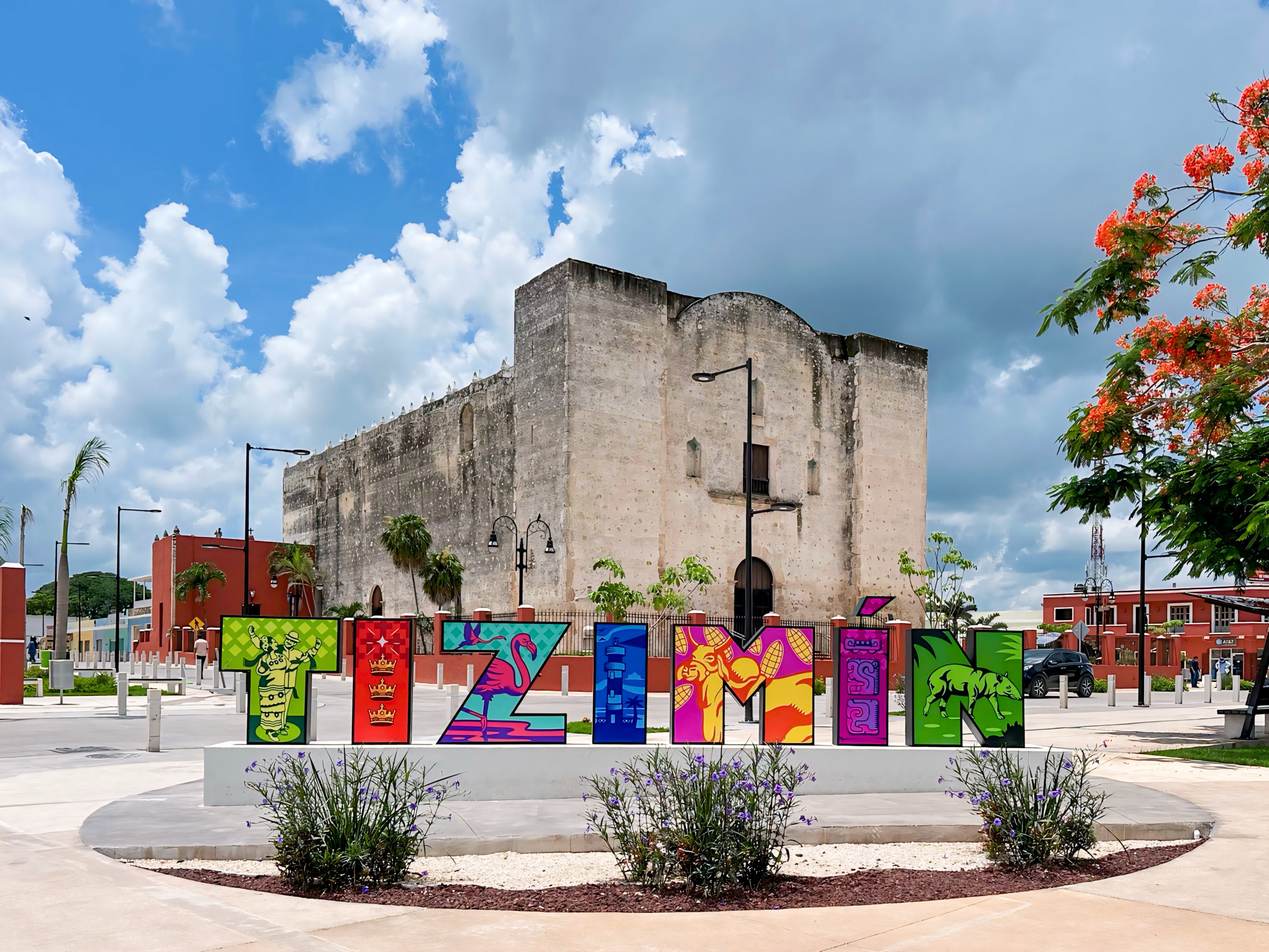
Río Lagartos and the north coast
Río Lagartos is a longer outing rather than a quick stop. The coastal town is associated with boat trips into the reserve, wetlands, and wildlife. It has a different landscape from inland Espita: lagoons, mangroves, fishing activity, and the Gulf coast. If your main reason for visiting Río Lagartos is a boat trip, arrange the timing with an operator before leaving Espita and allow room for weather changes.
 Río Lagartos on the northern coast of Yucatán
Do not describe Espita as coastal. It is inland. A day trip to Río Lagartos gives you the coast; it does not turn your Espita hotel into a beach base. If you want early access to the reserve and a more relaxed boat schedule, an overnight in Río Lagartos may be more sensible than a long return drive.
GuideRío Lagartos Travel Guide: Flamingos, Boat Tours, Las Coloradas and Where to StayRío Lagartos is a tranquil fishing town on Yucatán’s north coast that serves as the main gateway to the Ría Lagartos Biosphere Reserve, a UNESCO‑recognized wetland famous for flamingo colonies, mangrove estuaries and crocodiles. There is no entry fee to the town; reserve access is usually included in boat tours, though some operators charge a small conservation fee of about 54 MXN on site. Shared or small‑group wildlife and Las Coloradas boat tours cost roughly $70–$95 USD per person, while private boats are priced per vessel for 2–4 hours. Boat tours run from 6:00 to 17:00 for daytime wildlife viewing, with night mangrove/crocodile tours offered around 19:30–21:30 for 1.5–2 hours. Cash in pesos is essential, as ATMs are unreliable and most businesses prefer cash. From Mérida the drive is 205–230 km and takes about 2.5–3 hours via Tizimín; from Cancún it is 225–255 km, roughly 3–3.5 hours; from Valladolid it is 105 km, about 1.5–2 hours. Buses go to Tizimín, then a local bus or colectivo reaches Río Lagartos. The pink salt ponds of Las Coloradas lie 24 km away, a 20–25 minute drive. A typical day includes a 2–4 hour boat safari through mangrove channels to see flamingos, herons, spoonbills, ospreys and, with luck, crocodiles, often with a beach stop and optional Mayan‑clay mud mask. Night tours let visitors watch crocodile eyeshine and nocturnal birds. Visitors should bring cash, sun protection, insect repellent, binoculars, a dry bag and a dark swimsuit for mud baths. Keep noise low, respect nesting zones, use life jackets, and avoid drones. Mid‑day is best for the pinkest hues at Las Coloradas, while early morning and late afternoon are optimal for wildlife. The dry season (December–April) offers comfortable weather; November nortes can bring wind and rougher water, so book morning departures when possible.Open
Chichén Itzá
Chichén Itzá can be reached from the eastern Yucatán, but it is a major site that deserves its own planning. From Espita, the trip is longer than from Valladolid and should not be treated as a casual nearby attraction. If Chichén is the central purpose of your journey, stay closer to the site or in Valladolid. If you already want to stay in Espita, visit only if the rest of your route supports the drive and you can start early.
GuideComplete Guide to Chichén Itzá: Tickets, Hours, Tours, Cenotes & TipsChichén Itzá is the world‑famous Maya archaeological zone located near Pisté in the municipality of Tinum, Yucatán, and is typically accessed from Valladolid, Mérida, Cancún, Playa del Carmen or Tulum. The site is generally open daily from 08:00 to 16:00 with the last entry recorded at 15:00, although visitors should verify the exact hours before travelling. Admission is split between a federal INAH fee of MXN 105 and a state fee of MXN 592 for foreign adults (MXN 697 total) or MXN 205 for Mexican nationals (MXN 310 total); discounts may apply for children, students, seniors or Yucatán residents who present valid ID. Reaching the ruins takes about 40–45 minutes from Valladolid, 1.5–2 hours from Mérida, and 2.5–3 hours from Cancún or Playa del Carmen; travel can be done by rental car, taxi, colectivo or organized tour, with tours often including the entrance fee. A visit usually requires 2.5–4 hours for a quick overview, or 4–5 hours if the on‑site museum and a more relaxed pace are desired. Visitors are advised to arrive at opening to avoid the heat, crowds and vendor pressure that build up later in the morning. Early arrival provides cooler weather, better lighting for photos and shorter queues at El Castillo and the Sacred Cenote. Bring plenty of water, sun protection and cash in pesos; many tours bundle transport, guide services and cenote stops, so check the inclusions carefully. Staying overnight in Valladolid or Pisté makes an early start easier, while a guide is not mandatory but recommended for first‑time visitors who want contextual information.Open
Getting to Espita
By rental car
Driving is the simplest option for most visitors who want to sleep in Espita and explore beyond the center. Use an offline map, fill the tank before entering less-served stretches, and avoid assuming that every small town has a late-opening fuel station. The roads through Yucatán are generally navigable for visitors, but speed bumps, animals, cyclists, motorcycles, and unlit stretches require attention.
Arrive in daylight for your first visit. This makes it easier to find the property, check parking, buy supplies, and understand the town layout. If your hotel has a narrow entrance or a central location, ask for parking instructions before driving into the center.
By bus or shared transport
Espita is served by regional transport, but connections are less straightforward than those to Mérida or Valladolid. Schedules can change, and the last leg may involve a colectivo, taxi, or tricitaxi. Confirm the current departure point and timetable locally on the day before travel. If you have heavy luggage, children, or a late arrival, private transport is more comfortable.
Within the town, walking works for the center. Local tricitaxis can be useful for short trips, but agree on the destination and fare before setting off. Do not expect the same app-based transport coverage as in Mérida.
From Mérida
Espita is a substantial drive from Mérida, so it is better treated as part of an eastern Yucatán route than as a casual evening move after a full day in the capital. Start early, take breaks, and do not add too many attractions on the way. If you are arriving from Mérida International Airport, allow extra time for collecting a vehicle, navigating out of the city, and finding your accommodation before dark.
Mérida is inland as well, so this route does not involve a coastal transfer. If you want to include Progreso or another Gulf town, plan that as a separate part of the itinerary rather than imagining a single waterfront corridor between Mérida and Espita.
How many nights should you book?
One night is the minimum that makes sense for most travelers. Arrive in the afternoon, walk the center, eat locally or at your hotel, and visit the market the next morning before continuing.
Two nights are better if you want a day trip to Ek Balam, a cenote, or Tizimín without packing and unpacking. They also give you weather flexibility. A sudden storm or a late start does not ruin the entire plan.
Three nights or more work for a slow-travel trip, a festival, photography, cycling, or travelers who deliberately want to spend time in a small community. There is no need to fill every hour with attractions. Espita is most enjoyable when you allow ordinary time for coffee, a shaded bench, a market visit, and an early evening walk.
What to look for when comparing rooms
Do not compare Espita hotels only by star rating or photographs. Compare the things that matter in a hot, small-town setting:
- Air conditioning: A fan may not be enough during the hottest months. Confirm what is actually installed in the room.
- Pool or swimming access: A pool is useful after driving and walking, but verify whether it is open to all guests and whether it is seasonal.
- Location: Center access is valuable if you want to walk to the church, park, or market. A rural property may offer more quiet but requires a car.
- Food: An on-site restaurant simplifies the evening. A room without meals may still be fine if you know where and when you will eat.
- Parking: Ask before arrival, especially for a central property.
- Internet: Download maps and booking confirmations even when Wi-Fi is advertised.
- Check-in: Small properties may not have a staffed desk all night.
- Children and pets: Policies differ. Confirm them in writing.
- Payment: Carry a backup payment method and some cash in pesos for local purchases.
These details are more useful than a vague promise of “authentic luxury.” A hotel can be attractive and still be inconvenient for your route. Choose the accommodation that matches how you will spend the day.
Eating when you stay in Espita
A small-town stay rewards flexibility. The market may be the most dependable place to look for simple local food, but individual stands and schedules change. Hotel restaurants can be convenient, while evening food in the center may be concentrated around particular days or events. Ask your host what is open that night instead of walking out late expecting a full restaurant district.
Breakfast early if you have a long drive. Buy water and road snacks before leaving town. If you have dietary restrictions, communicate them clearly and carry backup food. Yucatecan cooking uses ingredients and preparations that may not be obvious from a short menu, and rural food service may not have the same ability to accommodate complex requests as a large city.
Support local businesses respectfully. Pay the agreed price, bring small notes when possible, and do not photograph people or food preparation without permission. A traveler who is patient with the pace of a small town will have a better experience than one trying to reproduce a resort timetable.
GuideBest Hotels in Izamal: Where to Stay in the Yellow CityCompare the best hotels in Izamal, from central colonial stays near the convent to quiet garden hotels and restored haciendas outside town.Open
When to visit Espita
Yucatán is hot for much of the year. Plan walking for the morning and late afternoon, carry water, and use the middle of the day for lunch, a rest, or a swim. The rainy season can bring sudden showers and muddy or slippery conditions at rural sites. Rain can also make a garden hotel feel especially pleasant, but it may disrupt a cenote or ruins itinerary.
The coolest months are usually more comfortable for walking, but they can also bring higher demand around holidays and local events. Availability in a town with few rooms is the main practical concern. If your dates are fixed, book the accommodation first and build the excursions around it.
Festival dates can be rewarding and crowded. Expect sound, movement, temporary food stalls, and changes around the central square. Ask the hotel whether the rooms face a busy street and whether parking access changes during celebrations.
A simple Espita hotel itinerary
Day one: Arrive in daylight, check in, and walk to the central park and San José Church. Visit the market if it is still active, then return to the hotel during the hottest hours. Eat an early dinner and take a short evening walk.
Day two: Start with the market and a quiet breakfast. Drive to Ek Balam or a confirmed nearby cenote. Return to Espita before dark if you want a relaxed evening, or continue to your next base if the route is already planned.
Alternative day two: Stay local. Photograph architecture with permission, browse small shops, sit in the park, and ask your accommodation about a current community event. This is a valid itinerary; you do not have to turn a small town into a chain of attractions.
Final recommendation
Book Casona los Cedros if you want the most established boutique experience in Espita and its current availability, age policy, and price fit your trip. Choose a confirmed local posada if you value a simple room and lower cost more than predictable hotel services. Choose Valladolid or Tizimín if you need a larger accommodation market, easier last-minute planning, or more transport options.
The best reason to sleep in Espita is not that it is the closest bed to a famous ruin. It is that the town gives an eastern Yucatán road trip a human scale. Stay at least one night, walk early, rest during the heat, and leave enough room for the place to be ordinary. That is where Espita is most convincing.
Frequently asked questions
Is Espita a good place to stay in Yucatán?
Yes, if you want a quiet inland town and are comfortable with a small accommodation market. It is especially good for travelers with a car, travelers interested in local life, and people building a slower eastern Yucatán route.
Does Espita have beach hotels?
No. Espita is inland. For a Gulf beach or malecón, stay in places such as Progreso, Celestún, Sisal, or Telchac Puerto instead.
Is Casona los Cedros the only hotel in Espita?
It is the best-documented boutique option, but local guesthouses, private rentals, and other small accommodation arrangements may also be available. Check current listings locally and confirm facilities directly.
Can you visit Espita without a car?
You can reach and walk around the town using regional transport, but nearby cenotes and ruins are much easier with a rental car, driver, or pre-arranged tour. Confirm the final transport connection before traveling.
Is Espita suitable for families?
It can be, but check the accommodation’s current minimum-age and room policies. A pool, air conditioning, private bathroom, and parking may matter more to a family than the hotel’s design.
Should you stay in Espita or Valladolid for Ek Balam?
Valladolid offers more tourist infrastructure and transport choices. Espita offers a quieter town experience and can work well if you have a car. Choose based on whether the overnight atmosphere or logistical convenience matters more.
How far in advance should you book?
Book as soon as your dates are fixed, particularly for weekends, holidays, and local celebrations. With few rooms, waiting for a last-minute deal may leave you choosing a different town.
What should you bring for an Espita stay?
Bring water, sun protection, comfortable walking shoes, insect repellent for evenings, cash in pesos, offline maps, and a translation app if you do not speak Spanish. Download your booking information before leaving reliable coverage.
Is Espita expensive?
It has both boutique and simple accommodation possibilities, so the total cost depends on your room and transport choices. Rates change with dates and availability. Compare the full stay, including meals, parking, transfers, and day-trip transport, rather than judging only the nightly price.
Can you stay in Espita and visit Río Lagartos?
Yes, with a car or arranged driver, but it is a longer day than a local town walk. If the Río Lagartos boat trip is your main purpose, staying on the north coast may be more relaxed.
Is Espita safe for walking?
The center is suitable for a respectful daytime walk, as in any town, but use ordinary precautions after dark. Follow local advice, keep valuables discreet, and arrange transport if you are returning from outside the center.
Are there many restaurants in Espita?
No. Food options are more limited and locally timed than in Mérida or Valladolid. Ask your hotel what is open, keep a backup snack, and do not assume a late-night restaurant district.
Can you book a hotel in Espita online?
Some properties have direct booking pages or appear on booking platforms. Others may require direct contact. Verify the property, payment terms, arrival instructions, and cancellation policy before sending money.
What is the best area to stay in Espita?
The center is best for walking to the church, park, and market. A property outside town may be quieter and more spacious, but you will need transport for nearly every errand.
How long is enough for Espita?
One night is enough for a first taste. Two nights are better if you want to add a nearby ruin or cenote without rushing. Stay longer only if you genuinely want a slow rural break or are visiting for a local event.
Is Espita a Pueblo Mágico?
Yes. It is one of Yucatán’s designated Pueblos Mágicos, recognized for cultural, historic, architectural, and community qualities. The designation does not mean that the town has the hotel inventory or tourist services of a major destination, so plan accordingly.
What is the biggest mistake visitors make when booking Espita?
The most common planning mistake is treating it like a large tourist base. Confirm your room, arrival time, parking, meals, and transport before you go. Once those basics are settled, the town is easy to enjoy.
Is an Espita hotel worth adding to a Yucatán itinerary?
It is worth adding if you want to slow down and see more than the headline attractions. It is not essential for a short first-time itinerary focused on Chichén Itzá, cenotes, and Mérida. The right choice depends on whether you want a destination stay or the most efficient route.
How do you choose between a boutique hotel and a posada?
Choose the boutique hotel for predictable facilities, design, a pool, and on-site food. Choose a posada for price, simplicity, and a more direct local experience, provided you confirm air conditioning, bathroom, parking, payment, and check-in first.
What should you do if Espita is full?
Use Valladolid or Tizimín as a fallback and visit Espita during the day. Do not replace a confirmed room with an unverified arrival plan during a holiday or festival. A nearby base is better than a stressful late-night search.
Can you combine Espita with a northern Yucatán route?
Yes. Espita can sit between the eastern interior and destinations toward the north coast, but check the actual drive times and reserve coastal activities in advance. Avoid building a route that requires long rural drives after dark.
What is the most enjoyable time of day in Espita?
Early morning and the hour before sunset are usually the most comfortable for walking. The light is gentler, the heat is easier, and the central spaces feel more active than during the hottest part of the afternoon.
What makes Espita different from a resort town?
There is no resort bubble separating the hotel from daily life. The market, church, park, streets, and local schedules are the experience. That requires patience and respect, but it is also why an overnight stay can be memorable.
Should you book meals with your hotel?
If the property offers a restaurant, it can be useful to have at least one meal there, especially on arrival. Confirm service times and dietary options. For other meals, use the market or local recommendations rather than expecting a large choice of international restaurants.
Do you need Spanish in Espita?
You can manage basic travel with translation tools, but Spanish is helpful for confirming rooms, transport, food, and local schedules. Learn a few practical phrases and keep the hotel’s written details available offline.
Is a pool important in Espita?
For many travelers, yes. Yucatán’s heat makes a pool a useful way to recover after driving or walking. It is not essential, but if you are choosing between a simple room and a boutique property, consider how much time you will spend at the hotel and confirm the pool’s current operating condition.
Can you walk everywhere from Casona los Cedros?
The hotel is centrally located, so the principal sights in the center are walkable. Nearby day trips are not. You will still need a car, driver, or tour for Ek Balam, cenotes, the north coast, and other destinations outside town.
What is the honest reason to choose Espita?
Choose it because you want a small, inland Yucatecan town with time to slow down. Do not choose it expecting a resort, a beach, or a dense tourist district. Matching the expectation to the place is what makes the stay work.
Where can you verify current hotel details?
Start with the accommodation’s own website or direct contact, then compare with a current booking platform. Confirm every practical detail close to your travel date, especially rates, age limits, meals, parking, check-in, and cancellation terms.
What is the best final piece of advice?
Reserve the room before arranging the day trips. In a town with a small hotel market, accommodation determines the route more than the other way around. Once the room is secure, keep the itinerary simple and let Espita remain a town rather than turning it into a hurried checklist.
 Espita church and central public space in Yucatán
A night in Espita is a good fit for the traveler who wants to trade convenience for character, but only when that trade is deliberate. Book the accommodation that gives you the facilities you actually need, arrive with realistic transport plans, and spend the best hours of the day outside. The town will do the rest quietly.


