Printable guide
Yucatán Itinerary: 3, 5, 7, 10 and 14 Days
Updated
Plan your Yucatán State trip with flexible itineraries from 3 to 14 days, covering Mérida, Chichén Itzá, Uxmal, Valladolid, and the best cenotes.
Planning a trip to Yucatán State can feel overwhelming. Between the colonial cities, ancient ruins, cenotes, and beaches, there's a lot to choose from. This guide breaks down flexible itineraries for 3, 5, 7, 10 and 14 days, focusing exclusively on Yucatán State destinations. No Quintana Roo. No Riviera Maya. Just the heart of Yucatán.
 Colourful colonial buildings line the streets of Valladolid
The state works best as a circuit based out of Mérida, with day trips and overnight stops in Valladolid. Most sites are reachable within 2–3 hours from Mérida by rental car or private driver. Public buses (ADO) also connect the major towns and can work for budget travellers who don't mind a slower pace.
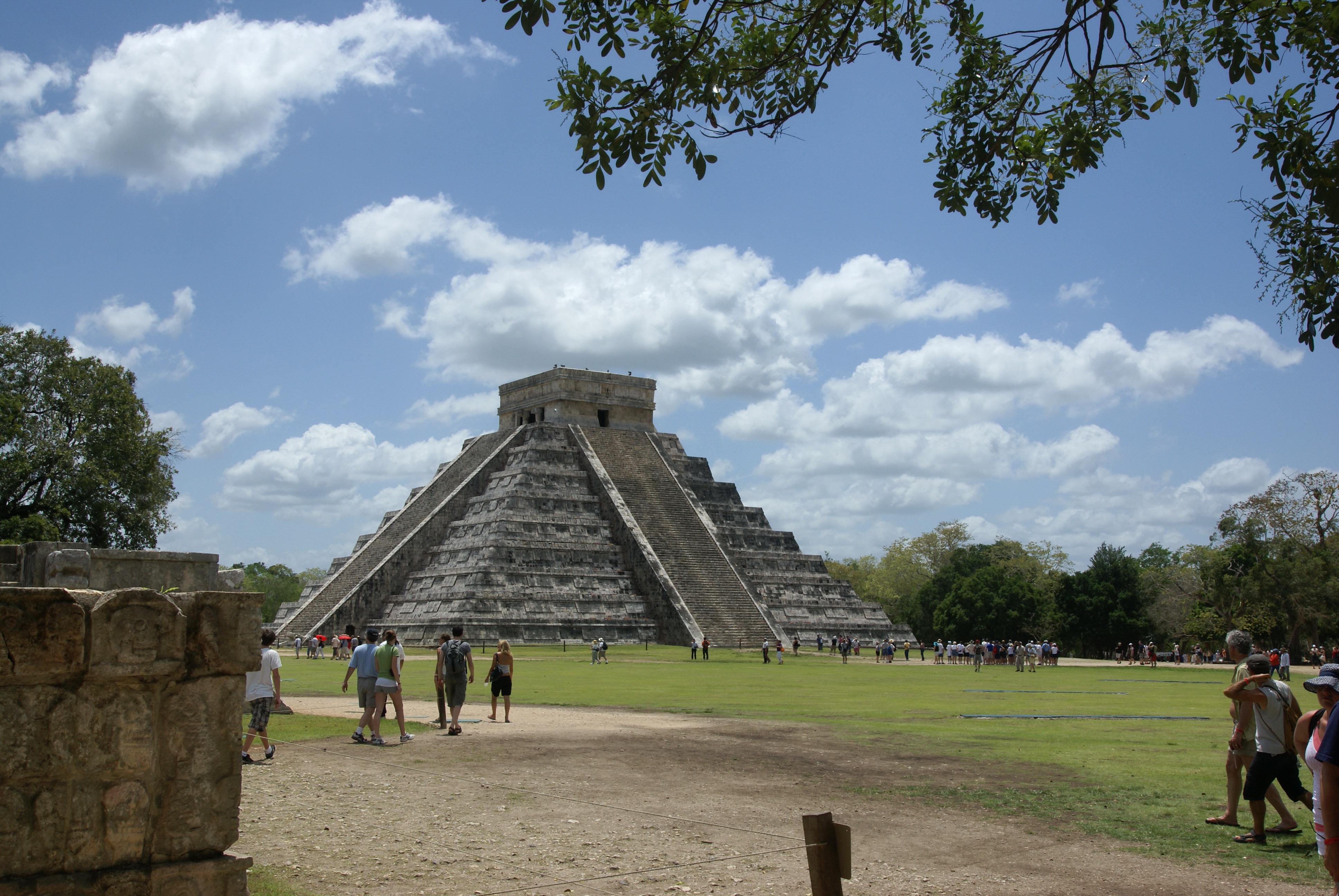
Pyramid of Kukulkan at Chichén Itzá, Yucatán
3 Days in Yucatán: Mérida and One Archaeological Site
A 3-day trip is enough to get a solid feel for the region. Use Mérida as your base and pick one major ruin to visit.
Day 1: Mérida arrival and Centro Histórico
Start with a walking tour of Mérida's centre. The Plaza Grande anchors the historic core, surrounded by the Cathedral, Palacio Municipal, and the Hotel Mérida. From here, walk the pedestrianised Calle 60 for lunch and shopping, then visit Casa de Montejo, a 16th-century mansion now housing a museum of colonial art. End the day at a traditional cantina or on a rooftop for sunset.
Day 2: Chichén Itzá or Uxmal
Choose one of the two major sites. Chichén Itzá is farther (2 hours from Mérida) but offers the iconic El Castillo pyramid and UNESCO status. Uxmal is closer (1.5 hours), better preserved in terms of Puuc architecture, and generally less crowded. For a single-day ruin visit, either works. Arrive by 8:00 AM to avoid heat and crowds. Combine Chichén Itzá with Cenote San Francisco or Ik Kil on the return trip.
Day 3: Mérida markets and nearby cenote
Visit the Mercado de Santiago or Mercado Lucas de Gálvez for local food and crafts. Then head to a nearby cenote like Cenote Ziláh or Cenote X'keken for a swim before departure.
Who this suits: First-time visitors with limited time, families doing a short stopover, travellers combining Mérida with Cancún airport arrivals.
Logistics: Stay in Mérida centro for walkability. A rental car is optional but useful for cenote access.
GuideBest Mayan Ruins in Yucatán: Which Archaeological Site Should You Visit?Chichén Itzá, Uxmal, Ek Balam, Mayapán and Dzibilchaltún are the main Maya archaeological sites discussed, each located in the Yucatán Peninsula and linked to nearby towns such as Mérida, Valladolid and the Ruta Puuc. Chichén Itzá charges an entrance fee (not specified) and opens early; a full day trip from Mérida, Cancún, Playa del Carmen or Tulum lasts 8‑10 hours and includes transport, lunch and a cenote stop. The site is reached by car in about 1 hour 45 minutes to 2 hours from Mérida, a short drive from Valladolid, or by bus or organized tour from the Riviera Maya. Visitors spend 2‑3 hours exploring the main structures and should arrive at opening time to avoid crowds, bring water, a hat and comfortable shoes, and note that climbing El Castillo is prohibited. Uxmal’s entrance cost and hours are not listed; the ruin is about 1 hour 15 minutes to 1 hour 30 minutes by car from Mérida. A visit typically takes 2‑3 hours, longer if combined with Kabah or other Ruta Puuc sites. The site is quieter than Chichén Itzá, but shade is limited, so an early start is advisable and climbing the Pyramid of the Magician is not allowed. Ek Balam is reachable in roughly 30 minutes by car from Valladolid; a visit of 1.5‑2.5 hours can be paired with a cenote such as X’Canche. The site is quieter, best visited in the morning, and some structures may be climbable depending on current rules. Mayapán lies 45 minutes to 1 hour north of Mérida by car; a 1‑1.5 hour visit fits easily into a half‑day, often combined with nearby cenotes (Homún, Telchaquillo) or small towns. It is modest in scale and suitable for families and short itineraries. Dzibilchaltún, the closest ruin to Mérida, is mentioned only as a nearby option; details on cost, hours, travel time or included services are not provided.Open
5 Days in Yucatán: Mérida, Valladolid, and Two Ruins
Five days lets you split time between Mérida and Valladolid, adding a second archaeological site and more cenotes.
Day 1: Mérida Centro and Casa de Montejo
Same as the 3-day itinerary: settle in, walk Calle 60, visit the cathedral and municipal palace.
Day 2: Uxmal and Kabah
Drive to Uxmal (1.5 hours from Mérida) and spend the morning exploring the pyramid complex, the Governor's Palace, and the Nunnery Quadrangle. In the afternoon, continue 30 minutes to Kabah for its famous façade masks and smaller, intimate site. Sleep in Uxmal or return to Mérida.
 The Pyramid of the Magician at Uxmal
Day 3: Mérida to Valladolid via Izamal
Drive east to Izamal (1 hour from Mérida), the "Yellow City" dominated by the Convent of San Antonio and three Maya pyramids. Then continue to Valladolid (40 minutes), check into your hotel, and explore the town centre and Cenote Zací.
Day 4: Chichén Itzá and cenotes
Leave Valladolid by 7:30 AM for Chichén Itzá (45 minutes away). Tour the site, then visit a cenote on the return like Cenote Suytun or Cenote Ch'en Muy. Overnight in Valladolid.
Day 5: Valladolid cenotes and Ek Balam
Visit Ek Balam (30 minutes from Valladolid) in the morning—climb the Acropolis for views. Spend the afternoon at a cenote near Valladolid like Cenote Suytun or Cenote Oxman before heading back to Mérida or departing from Cancún airport.
Who this suits: Travelers who want a broader sweep of the region, culture-focused visitors, couples exploring at a relaxed pace.
Logistics: Split accommodation: 2 nights Mérida, 2 nights Valladolid, 1 night Mérida. A rental car is strongly recommended.
Guide5 Days in Yucatán: Mérida, Uxmal, Izamal, Chichén Itzá and ValladolidA practical five-day Yucatán itinerary using Mérida and Valladolid as bases, with Uxmal, Kabah, Izamal, Chichén Itzá, Ek Balam and realistic drive times.Open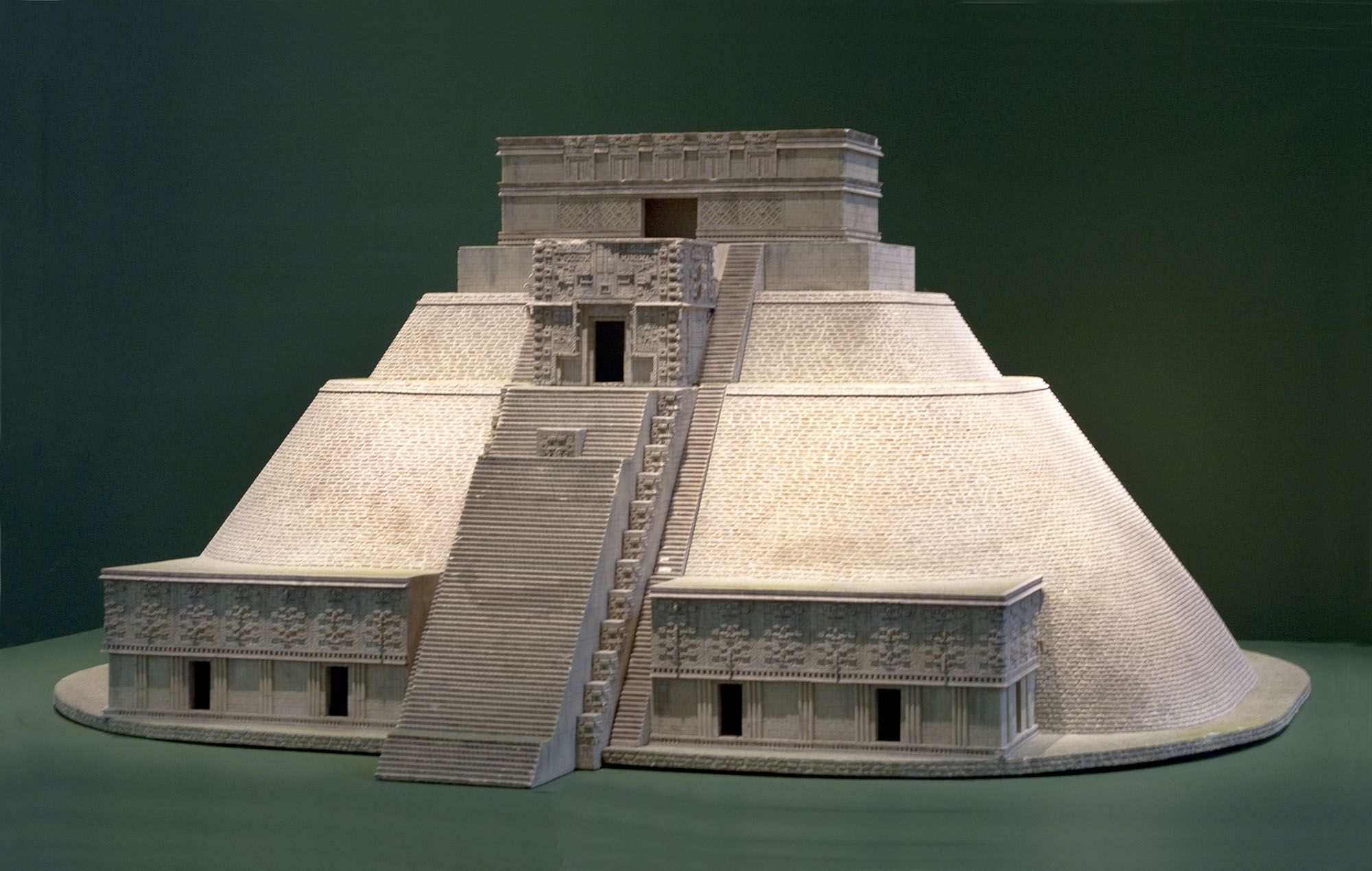
7 Days in Yucatán: The Complete Classic Route
A week gives you time to explore at a measured pace, including smaller sites and more cenotes.
Days 1–2: Mérida and Uxmal circuit
Days 1–2 follow the 5-day itinerary. Day 1: Mérida centro. Day 2: Uxmal, Kabah, Sayil, and Labná on the Puuc Route. Stay in Mérida.
Days 3–4: Valladolid and Chichén Itzá
Day 3: Drive to Izamal and Valladolid. Tour the Convent of San Antonio, walk the colonial streets, swim in Cenote Zací. Day 4: Chichén Itzá day trip with a cenote stop. Return to Valladolid.
Days 5–6: Valladolid cenotes and Ek Balam
Day 5: Ek Balam in the morning, then a cenote near Valladolid (Suytun, Oxman, or Zací). Day 6: Choose a deeper dive—either another cenote tour (Cenote Cuzamá is a multi-cenote area with horse-drawn cart access) or explore more of Valladolid's surroundings.
Day 7: Return to Mérida and departure
Drive back to Mérida (2 hours) and spend the day visiting markets or a nearby cenote like Cenote Ziláh before departure.
Who this suits: Most travellers. This is the sweet spot for a first full Yucatán experience without rushing.
Logistics: Split accommodation: 2 nights Mérida, 3 nights Valladolid, 2 nights Mérida. Rent a car.
Guide7 Days in Yucatán: Mérida, Uxmal, Chichén Itzá, Valladolid and Ek BalamA practical seven-day Yucatán route using Mérida and Valladolid as bases, with Uxmal, Kabah, Izamal, Chichén Itzá, Ek Balam and realistic cenote options.Open10 Days in Yucatán: Deep Dive with Beach and Hidden Ruins
Ten days lets you add beach time, more ruins, and a slower pace.
Days 1–6: Mérida, Valladolid, and the classic ruins
Follow the 7-day itinerary for the first 6 days.
Day 7: Celestún flamingos and beach
Drive west to Celestún (2 hours from Mérida). Take a boat tour through the mangroves to see the American flamingos. Spend the afternoon on the beach at Playa del Celestún. Overnight in Celestún or return to Mérida.
Day 8: Progreso or Sisal beach day
Drive to Progreso (45 minutes from Mérida) for a beach day. The Malecón offers food and nightlife. Alternatively, visit Sisal (1 hour from Mérida) for a quieter, less developed coast.
Days 9–10: Progreso stay and departure or Mérida return
Option A: Stay one night in Progreso for a relaxed beach morning, then drive to Cancún airport (2.5 hours) or Mérida airport (45 minutes). Option B: Return to Mérida for final shopping, a spa visit, or a food tour before departing from Mérida.
Who this suits: Travelers who want beach time alongside ruins and culture, couples, families with kids.
Logistics: Split accommodation: 2 nights Mérida, 3 nights Valladolid, 1 night Mérida, 1 night Celestún or Progreso, 1 night Mérida or Progreso. Rental car recommended.
GuideBest Beaches in Yucatán: Where to Go for the Right Kind of Beach DayThe guide lists the main Yucatán beaches and explains which is best for different priorities, all of them on the Gulf of Mexico coast. Sisal is presented as the most balanced day‑trip from Mérida, Celestún adds a biosphere reserve with flamingos, El Cuyo offers a quiet town‑escape, Progreso is the easiest beach without a car, San Crisanto provides a low‑key mangrove experience, and the Chuburná Dunes give a wild, open‑space feel close to the city. Getting to each spot is most convenient by rental car or private driver; public transport works for Progreso but is less practical for the others. The drive from Mérida to Sisal takes about one hour, to San Crisanto roughly 1 hour 15 minutes, and to Progreso about 40 minutes. Celestún and El Cuyo require longer trips and are better suited to a full day or an overnight stay. Visitors should plan a half‑day to a full day at Sisal, Progreso or Chuburná, a full day at Celestún (including a boat tour of the reserve), and at least one night in El Cuyo. Meals are typically seafood at local beach clubs or restaurants; Celestún adds a guided boat tour, while San Crisanto offers a community‑run mangrove boat ride. Tips include traveling on weekdays to avoid crowds at Sisal, bringing sun protection and water for exposed boat tours in Celestún, carrying cash and insect repellent for San Crisanto, and being prepared for limited services at Chuburná and El Cuyo. Swimming conditions vary with wind and tide, so flexibility and a focus on the beach, town and sea air rather than perfect water are recommended.Open
14 Days in Yucatán: The Full Circuit
Two weeks allows you to explore remote ruins, spend real time in each town, and include wildlife and beach without rushing.
Days 1–6: Mérida, Valladolid, and the main ruins
Same as the 7-day itinerary, but with extra time at each site. Spend two nights in Mérida to really explore the city's museums, markets, and food scene. Spend three nights in Valladolid to visit multiple cenotes and nearby ruins.
Day 7: Río Lagartos and flamingos
Drive north to Río Lagartos (2.5 hours from Mérida). Stay in the small town or a nearby eco-lodge. This area is richer in wildlife than Celestún, with crocodiles, iguanas, and hundreds of flamingos in the lagoons.
Day 8: Río Lagartos tour and return
Take a full-day boat tour through the lagoons. Return to Mérida overnight or stay near Río Lagartos for a quieter experience.
Day 9: Ek Balam and Mayapán
Visit Ek Balam in the morning (climb the Acropolis), then drive to Mayapán (40 minutes) to explore the smaller but fascinating post-Classic capital. Return to Valladolid.
Day 10: More Valladolid cenotes and cenote town
Visit a cenote tour operator for a multi-cenote experience, or explore the Cuzamá area with its three main cenotes connected by sacred pathways.
Day 11: Campeche day trip (optional)
If you have a car, drive to Campeche city (2.5 hours from Mérida). The fortified colonial centre is a UNESCO site with fewer crowds than Chichén Itzá. Overnight there or return to Mérida.
Day 12: Uxmal and Puuc Route deep dive
Spend the full day exploring Uxmal more thoroughly, then drive the Puuc Route to visit Sayil, Labná, and Xlatlúcu. Sleep in Uxmal or Mérida.
Day 13: Beach time in Progreso or Sisal
Relax at the beach, explore the Malecón, enjoy fresh seafood. Overnight in Progreso.
Day 14: Mérida departure or Cancún transfer
Spend the morning in Mérida for last-minute shopping or a food tour, then depart from Mérida airport or drive to Cancún airport (3 hours) if your flight leaves from there.
Who this suits: Serious culture travellers, photographers, families with kids who want a relaxed pace, travel enthusiasts who want the full Yucatán experience.
Logistics: Split accommodation: 3 nights Mérida, 4 nights Valladolid, 1 night Río Lagartos or Mérida, 1 night Campeche (optional), 1 night Uxmal or Mérida, 1 night Progreso, 1 night Mérida or Progreso. A rental car is essential.
Practical Notes
Getting Around
- Rental car: Recommended for flexibility. Drive times from Mérida: Chichén Itzá (2h), Uxmal (1.5h), Valladolid (2h), Progreso (45m), Celestún (2h), Río Lagartos (2.5h).
- ADO bus: Connects Mérida, Valladolid, Chichén Itzá (drop-off), Uxmal (with transfer), and Cancún airport. Cheaper but less flexible.
- Private driver: Cost-effective for families or groups. Rates typically MXN 2,500–4,000 per day depending on distance and vehicle.
Budget Guidelines (per person, excluding accommodation)
- Budget: MXN 400–600/day (bus transport, street food, public cenote fees)
- Mid-range: MXN 800–1,500/day (rental car split, sit-down meals, private cenote tours)
- Premium: MXN 2,000+/day (private driver, upscale restaurants, guided tours)
Timing and Seasons
- Best time: November–April (dry season, cooler temps). Avoid July–August heat and crowds.
- Hurricane season: June–November, especially August–October. Monitor forecasts if travelling during this window.
- Guacamaya season: January–March for seeing the scarlet macaws at Uxmal and Kabah.
What to Bring
- Sunscreen, hat, and insect repellent
- Swimwear and quick-dry towel
- Cash (many cenotes and small restaurants are cash-only)
- Comfortable walking shoes
Next Steps
Planning a custom itinerary? A local travel planner can help refine your plan based on your exact dates, interests, and budget. For families or groups wanting a seamless experience, private drivers and curated tours remove the stress of logistics entirely.
The Yucatán State itinerary above gives you a framework. Pick the duration that fits your schedule, then build from there. The region rewards travellers who take their time and explore beyond the major sites.
If your dates are tighter, compare the dedicated 3-day Yucatán itinerary before cutting this longer route down.