
A week in Yucatán works best when you stop trying to sleep in a different town every night.
Use Mérida for the first two nights and Valladolid for the next four nights, then return toward Mérida or continue east on the final day. This keeps Uxmal close to Mérida and puts Chichén Itzá, Ek Balam and the eastern cenotes close to Valladolid.
The route is designed for a rental car or private driver. It can be adapted to buses and tours, but the no-car version should be simpler.
Seven-day plan at a glance
| Day | Base | Main plan |
|---|---|---|
| 1 | Mérida | Arrive and explore Centro |
| 2 | Mérida | Uxmal and Kabah |
| 3 | Valladolid | Izamal on the transfer east |
| 4 | Valladolid | Chichén Itzá and one cenote |
| 5 | Valladolid | Ek Balam and optional X’Canché |
| 6 | Valladolid | Valladolid, a nearby cenote or Río Lagartos |
| 7 | Departure | Return to Mérida or continue toward Cancún |
Best for: first-time visitors, couples, families and history-focused trips
Best transport: rental car or private driver
Hotel changes: one
Car-free version: possible with organized day tours and intercity buses
Practical planning
Approximate drive times
- Mérida to Uxmal: 1 hour 10 minutes to 1 hour 25 minutes
- Uxmal to Kabah: about 20 minutes
- Mérida to Izamal: about 1 hour
- Izamal to Valladolid: about 1 hour 30 minutes
- Valladolid to Chichén Itzá: about 40 to 50 minutes
- Valladolid to Ek Balam: about 30 to 40 minutes
- Valladolid to Río Lagartos: about 1 hour 30 minutes
- Valladolid to Mérida: about 2 hours
Traffic, rain, roadworks and hotel location can add time. Do not schedule airport check-in around the shortest map estimate.
Current site warning
Mayapán is not included because the archaeological zone has been affected by a prolonged closure. Add it only after an official reopening is confirmed.
Site hours, ticket prices, museum access and permission to climb individual structures can also change. Check the current status shortly before travel.
Budget
Instead of relying on fixed online prices, budget for:
- Six hotel nights
- Car rental or private-driver days
- Fuel, parking and possible tolls
- Four archaeological admissions
- One to three cenotes
- Food, water and tips
Carry pesos. Larger hotels and restaurants usually accept cards, while smaller cenotes, parking areas and rural food stops may not.
Day 1: Mérida Centro
Arrive, check in and keep the first day light.
A sensible first walk includes Plaza Grande, the Cathedral, Pasaje de la Revolución, Santa Lucía and the lower end of Paseo de Montejo. In the hotter months, explore in the morning or evening rather than walking through the entire afternoon.
Eat one regional meal and leave the larger food crawl for another day. Use the Mérida Centro visiting guide and Yucatán food guide to plan the day.
Stay: Mérida
Car needed: no
Good for families: yes, provided the walk is short and heat breaks are built in

Day 2: Uxmal and Kabah
Leave Mérida early for Uxmal. Allow roughly two and a half to three hours at the main site.
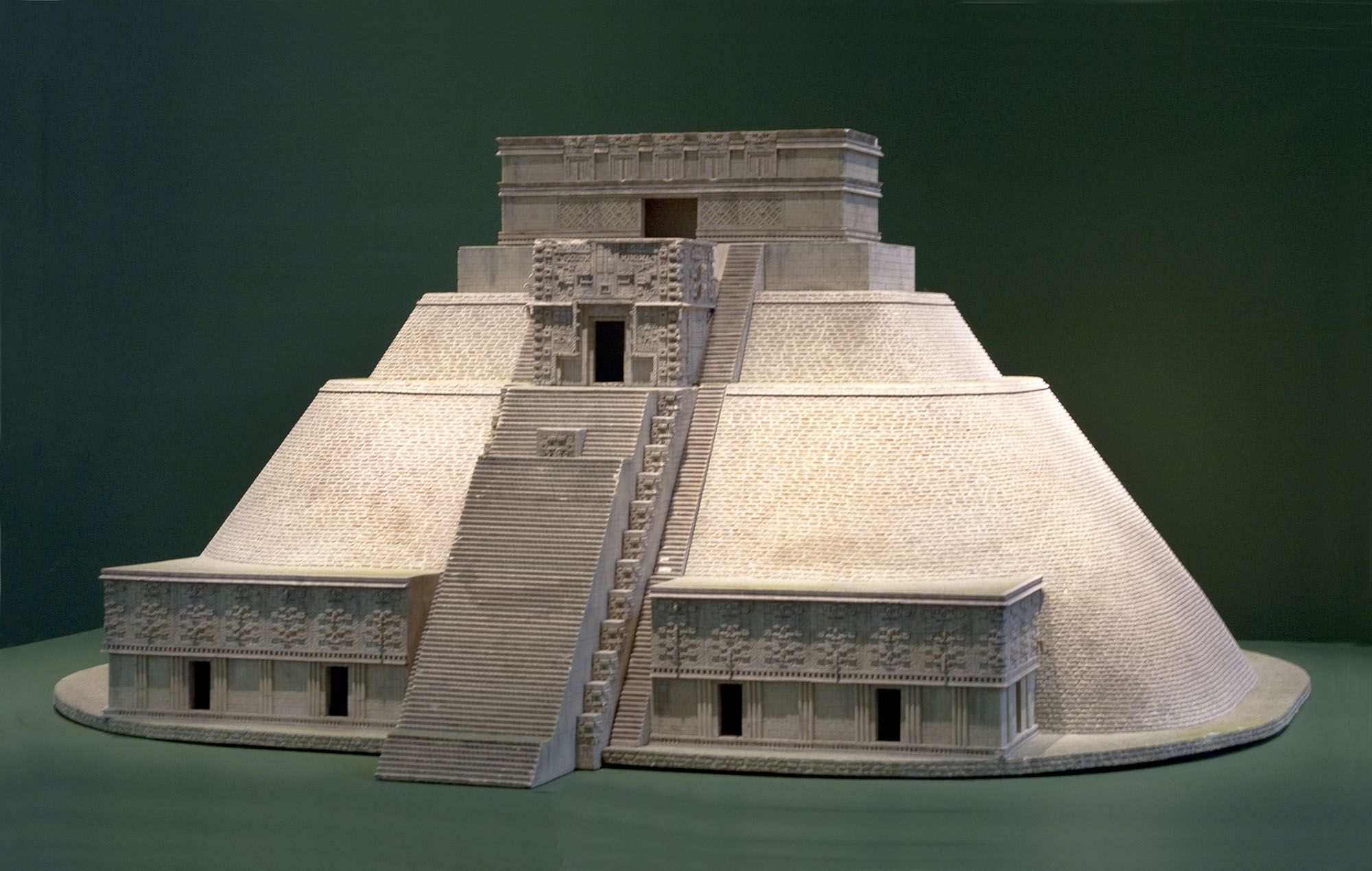
The strongest areas include the Pyramid of the Magician, Nunnery Quadrangle, Governor’s Palace and House of the Turtles. Do not build the visit around climbing a structure; access rules can change and the principal monuments are viewed from ground level.
Continue around 20 minutes south to Kabah. Its best-known building is the Codz Poop, with a façade covered in repeated Chaac masks.
Kabah needs around one to one and a half hours. Skip it if the heat is severe or Uxmal already used most of the group’s energy.
Do not add Izamal on the return drive. Izamal is east of Mérida and is not on the Uxmal route.
Read the Uxmal travel guide and Ruta Puuc guide before leaving.
Stay: Mérida
Approximate driving: 2.5–3 hours total
Planning note: return before dark when possible
Day 3: Izamal and transfer to Valladolid
Check out of Mérida and drive east to Izamal.
Allow two to four hours for the convent, main square, yellow streets, lunch and an optional visit to Kinich Kakmó if access and heat conditions are suitable.
The convent is an active religious site. Do not assume rooftop access or an evening tour will be available.
Continue east to Valladolid after lunch. Check in, rest and walk the main square or Calzada de los Frailes in the evening.
Use the Izamal guide and Valladolid travel guide.
Stay: Valladolid
Approximate driving: 2.5–3 hours total
Why it works: Izamal is on the general eastbound route rather than a separate day trip
Day 4: Chichén Itzá and one cenote
Leave Valladolid early and reach Chichén Itzá near opening time.
Allow three to four hours for the archaeological zone and museum area. Bring water, a hat and comfortable shoes. Climbing El Castillo and the principal monuments is not permitted.
Afterward, choose one cenote near Pisté, Chichén Itzá or Valladolid. One good swim is more useful than racing between several crowded stops.
Check the complete Chichén Itzá guide, the ticket and hours guide and the current opening-status article shortly before travel.
Stay: Valladolid
Approximate driving: 1.5–2 hours, depending on the cenote
Planning note: return to Valladolid for a slow evening rather than adding another town

Day 5: Ek Balam and optional X’Canché
Ek Balam is close enough to Valladolid for a comfortable half-day.
Allow around two hours for the archaeological zone. The Acropolis and its stucco decoration are the main reasons to visit. Access to upper levels can change, so confirm the current rules rather than promising a climb.
Cenote X’Canché is nearby but separately operated. It has its own admission and local transport arrangements; it is not automatically included with the Ek Balam archaeological ticket.
Return to Valladolid for lunch and use the afternoon for the market, Calzada de los Frailes or rest.
Stay: Valladolid
Approximate driving: 1–1.5 hours total
Best for: a smaller ruin and a less pressured day
Day 6: choose one flexible day
This is the day that keeps the itinerary from becoming too rigid.
Option 1: Valladolid and a nearby cenote
Spend a slower morning in town, then visit one cenote close to Valladolid. Cenote Zací is easiest when open; Oxman and Suytun are more developed options outside town.
This is the best choice for families, travelers feeling tired and anyone who wants less driving.
Option 2: Río Lagartos
Drive north to Río Lagartos for a boat trip through the reserve, then have lunch in town.
This is a full day. Leave early, arrange the boat before the strongest midday heat and do not add several extra stops.
Use the Río Lagartos guide before planning the route.
GuideRío Lagartos Travel Guide: Flamingos, Boat Tours, Las Coloradas and Where to StayRío Lagartos is a tranquil fishing town on Yucatán’s north coast that serves as the main gateway to the Ría Lagartos Biosphere Reserve, a UNESCO‑recognized wetland famous for flamingo colonies, mangrove estuaries and crocodiles. There is no entry fee to the town; reserve access is usually included in boat tours, though some operators charge a small conservation fee of about 54 MXN on site. Shared or small‑group wildlife and Las Coloradas boat tours cost roughly $70–$95 USD per person, while private boats are priced per vessel for 2–4 hours. Boat tours run from 6:00 to 17:00 for daytime wildlife viewing, with night mangrove/crocodile tours offered around 19:30–21:30 for 1.5–2 hours. Cash in pesos is essential, as ATMs are unreliable and most businesses prefer cash. From Mérida the drive is 205–230 km and takes about 2.5–3 hours via Tizimín; from Cancún it is 225–255 km, roughly 3–3.5 hours; from Valladolid it is 105 km, about 1.5–2 hours. Buses go to Tizimín, then a local bus or colectivo reaches Río Lagartos. The pink salt ponds of Las Coloradas lie 24 km away, a 20–25 minute drive. A typical day includes a 2–4 hour boat safari through mangrove channels to see flamingos, herons, spoonbills, ospreys and, with luck, crocodiles, often with a beach stop and optional Mayan‑clay mud mask. Night tours let visitors watch crocodile eyeshine and nocturnal birds. Visitors should bring cash, sun protection, insect repellent, binoculars, a dry bag and a dark swimsuit for mud baths. Keep noise low, respect nesting zones, use life jackets, and avoid drones. Mid‑day is best for the pinkest hues at Las Coloradas, while early morning and late afternoon are optimal for wildlife. The dry season (December–April) offers comfortable weather; November nortes can bring wind and rougher water, so book morning departures when possible.Open
Option 3: another eastern cenote day
Choose two cenotes that are genuinely close to each other and confirm current access. Avoid building a route from names that merely appear close on a regional map.
Do not use Cuzamá as a “near Valladolid” option. Cuzamá is southeast of Mérida and belongs in a different itinerary.
Stay: Valladolid
Planning note: keep this day flexible until the weather forecast and energy levels are clear
Day 7: departure or return to Mérida
If flying from Mérida, leave Valladolid with enough time for the two-hour drive, city traffic, fuel, rental-car return and airport check-in.
If continuing to Cancún or the Riviera Maya, travel east instead of backtracking to Mérida.
Do not add Ek Balam, a cenote or a long lunch before an early flight. The final day should protect the departure rather than squeeze in one more attraction.
A no-car version
A simpler public-transport route is:
- Day 1: Mérida Centro
- Day 2: guided Uxmal tour
- Day 3: bus from Mérida to Valladolid; skip Izamal unless a direct connection fits cleanly
- Day 4: bus or guided tour to Chichén Itzá
- Day 5: organized Ek Balam and cenote excursion
- Day 6: Valladolid and Cenote Zací, or a guided Río Lagartos day
- Day 7: intercity bus to Mérida or Cancún
This version costs less than a private driver but requires more fixed departure times.
Is this family-friendly?
Yes, when you reduce the number of secondary stops.
For younger children:
- Skip Kabah if Uxmal is enough
- Choose cenotes with simple stairs, bathrooms and life jackets
- Avoid long outdoor walks after noon
- Carry snacks and more water than expected
- Use a carrier rather than relying on a stroller at ruins
One major site plus a swim is usually enough for a family day.
Common mistakes
Adding Izamal after Uxmal. They sit on opposite sides of Mérida.
Treating Cuzamá as a Valladolid cenote. It is in the Mérida/Homún side of the state.
Planning Mayapán without confirming reopening. The site should not be assumed open.
Assuming X’Canché is included with Ek Balam. It is separate.
Using old entrance fees or schedules. Check current information shortly before travel.
Returning to Mérida on the same morning as an early flight. Stay in Mérida the final night when the departure time is tight.
Final recommendation
The strongest seven-day first trip is not the one with the most pins on the map. It is the one with two bases, early ruin visits and enough empty space for heat, rain and a long lunch.
Mérida, Uxmal, Kabah, Izamal, Valladolid, Chichén Itzá and Ek Balam are enough for a full week. Use the flexible sixth day for a cenote, Río Lagartos or rest rather than forcing in another cross-state drive.
For the next step, compare the Stay guides with the relevant destination guide.

