After walking the grounds of Chichén Itzá under the Yucatán sun, sinking into a cenote feels less like a sightseeing activity and more like a biological necessity. The area around the ruins is dense with these limestone sinkholes — some developed into full visitor complexes, others still quiet and rough around the edges. Knowing which one fits your day, your budget, and your comfort level makes the difference between a refreshing swim and a frustrating detour.
This guide covers the cenotes that are realistically within reach of a Chichén Itzá visit, from the 5-minute-drive heavyweight to the cave cenotes near Valladolid that take a bit more time but reward with a more atmospheric experience.
Cenote Ik Kil — The Closest and Most Famous
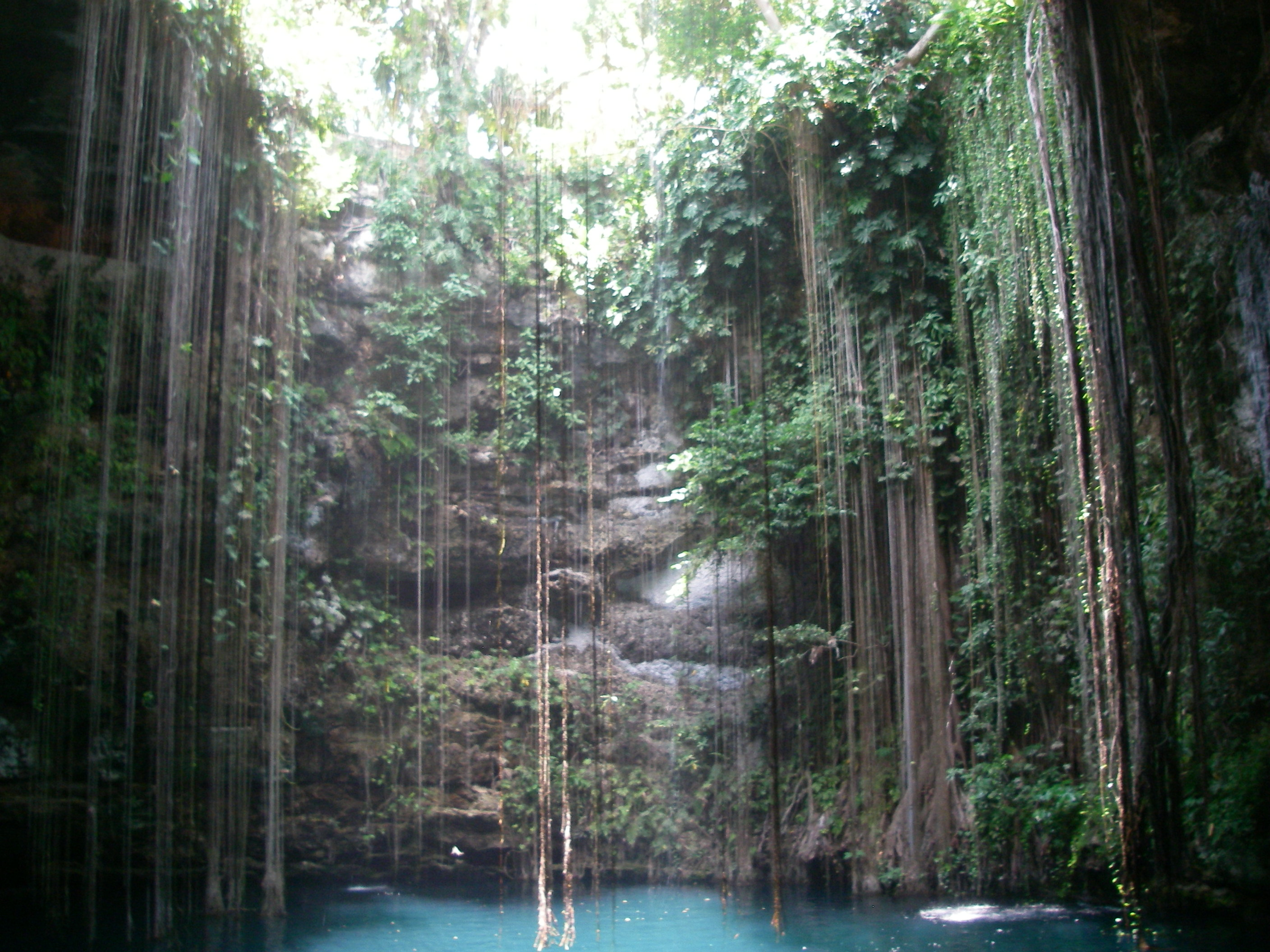 Cenote Ik Kil, the iconic open-air sinkhole near Chichén Itzá surrounded by hanging vines
Cenote Ik Kil is 3 kilometres from Chichén Itzá — a 5-minute drive along the highway toward Valladolid. It is the default cenote stop on almost every tour that visits the ruins, and for good reason: the setting is dramatic. The pool is roughly 60 metres across, open to the sky, ringed with vines and ferns that trail down the limestone walls. The water is deep — around 48 metres — and a carved stone staircase leads down to a swimming platform.
 Stone staircase descending into Cenote Ik Kil near Chichén Itzá
The trade-off is crowds. Between 10:30 AM and 3:00 PM, the cenote fills with tour groups. If you are driving yourself, arrive at 8:00 AM when the gates open, or after 3:00 PM when the buses have left. Life jackets are mandatory and included with admission. You must shower before entering the water, and no sunscreen is allowed — biodegradable or otherwise.
Practical info:
- Entrance fee: Around 200–350 MXN ($10–17 USD) depending on the package. The basic package includes locker, shower, and life jacket. A food package adds a buffet meal.
- Hours: 8:00 AM – 5:00 PM daily
- Facilities: Restaurant, lockers, showers, gift shop, parking
- Drive time from Chichén Itzá: 5 minutes
- Best for: Travellers who want the iconic cenote experience without adding significant time to their day

Cenote Xkeken — The Cave Cenote Near Valladolid
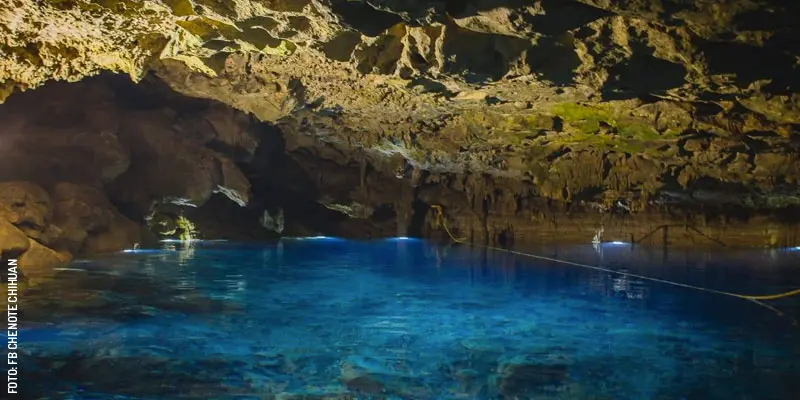
 Cenote Xkekén, a cave cenote with stalactites and a beam of sunlight through the ceiling
Cenote Xkekén (also spelled Xkeken, sometimes called Cenote Dzitnup) sits in a limestone cavern about 7 kilometres southeast of Valladolid and roughly 45 minutes east of Chichén Itzá. It is part of a two-cenote complex — Samulá is the other one, a few hundred metres away — and a combined ticket covers both.
Xkekén is a narrow entrance into a single underground chamber. A small opening in the ceiling lets a shaft of sunlight hit the turquoise water, and stalactites hang from the vault. The water is shallow enough to stand in places, and the whole experience feels more intimate than Ik Kil. The name comes from the Mayan word for "pig" — local legend says a farmer discovered the cenote while searching for a lost piglet that had fallen in.
The complex can get busy, particularly because it is close to Valladolid and popular with day-trippers. The facilities are functional but not polished — basic showers, changing areas, and lockers. Some visitors report aggressive touts offering "guides" and photography services; a polite but firm "no, gracias" works.
Practical info:
- Entrance fee: 80 MXN ($4 USD) for Xkekén alone, or 125 MXN ($6 USD) for a combined ticket covering both Xkekén and Samulá
- Hours: 8:00 AM – 6:00 PM daily; check ahead if visiting Sunday, as some listings show Monday–Saturday hours
- Facilities: Basic lockers, showers, life jacket rental (50 MXN — bring your own if you have one to save)
- Drive time from Chichén Itzá: 45 minutes via Highway 180 east toward Valladolid, then south at the Dzitnup turnoff
- Best for: Travellers who want a cave cenote experience and do not mind the extra driving time
Cenote Suytun — The Sunbeam Phenomenon
 Cenote Suytun near Valladolid
Cenote Suytun sits just east of Valladolid, about a 45-minute drive from Chichén Itzá. It is an underground cenote with a single hole in the ceiling that produces a dramatic spotlight effect when the sun is directly overhead — roughly between 11:00 AM and 2:00 PM. A circular stone platform sits in the centre of the pool, lit from above, and the whole scene is one of the most photographed cenotes in the region.
The water is shallow and calm, making it easy to swim and float. The facilities are modern and well-maintained — showers, lockers, a restaurant, and a small museum area. Because of its popularity, Suytun draws crowds during peak hours. If you want the sunbeam without the people, aim for a weekday morning visit and be in the water before 11:00 AM.
Practical info:
- Entrance fee: Around 100–150 MXN ($5–7.50 USD); prices vary by package
- Hours: 8:00 AM – 5:00 PM daily
- Facilities: Showers, lockers, restaurant, life jacket included
- Drive time from Chichén Itzá: 45 minutes
- Best for: Photographers and anyone who wants the classic sunbeam shot; also good for families because the water is shallow

Cenote Hubiku — The Cultural Stop Between Valladolid and Chichén Itzá
Cenote Hubiku is located near the town of Temozón, roughly halfway between Valladolid and Chichén Itzá. It is a large underground cenote with a spacious chamber, well-lit and set up for visitors who want more than just a swim. There is a small Mayan museum on site, a buffet restaurant, and tequila tasting available.
This is a common stop on all-inclusive Chichén Itzá day tours. If you are driving independently, it works well as a mid-morning break between the ruins and an afternoon in Valladolid. The cenote is less dramatic visually than Ik Kil or Suytun, but it is less crowded and the cultural add-ons make it worth a stop if you have the time.
Practical info:
- Entrance fee: Around 100–150 MXN ($5–7.50 USD); combo tickets with meal available
- Hours: 8:00 AM – 5:00 PM daily
- Facilities: Restaurant, museum, lockers, showers, parking
- Drive time from Chichén Itzá: 25–30 minutes
- Best for: Travellers who want a relaxed stop with food and cultural context; families with children who may tire of pure sightseeing

Getting There and Getting Between Them
If you are on an organized tour from Mérida or Cancún, the tour will almost certainly include Cenote Ik Kil as the default stop. It is the easiest add-on — 5 minutes from the ruins, large enough to handle bus groups, and set up with facilities that accommodate crowds.
If you have a rental car or hired driver, you have more flexibility. The practical options for a single day combining Chichén Itzá with a cenote swim are:
- Option A (minimal driving): Chichén Itzá + Ik Kil. Total added driving: 10 minutes round trip. Works if you are short on time or want to keep the day simple.
- Option B (cave experience): Chichén Itzá + Xkekén/Samulá in Dzitnup. Total added driving: 90 minutes round trip. Works well if you are heading back toward Valladolid or Mérida afterward.
- Option B (photography focus): Chichén Itzá + Suytun. Total added driving: 90 minutes round trip. Best on a weekday, arriving before 11:00 AM for the light.
Taxis are available at the Chichén Itzá entrance and can take you to Ik Kil for around 50–80 MXN one way. For Xkeken or Suytun, negotiate a round-trip fare with a taxi or use a private driver — the distances are too far for a simple taxi hop without arranging a return pickup.
Practical Tips for Any Cenote Visit
- Cash is king. Most cenotes near Chichén Itzá do not accept cards. Bring enough pesos for entrance fees, lockers, and tips.
- Shower before swimming. This is enforced at all developed cenotes. Sunscreen, insect repellent, and lotions must be rinsed off before entering the water.
- Life jackets are mandatory at Ik Kil and strongly recommended at the cave cenotes. They are included in the entrance fee at most sites; at Dzitnup, you may be charged separately.
- Bring a towel and dry clothes. Changing areas are basic. A quick-dry towel takes up little space in your day bag.
- Go early. The single most effective thing you can do is arrive at a cenote before 9:00 AM. The difference between 8:30 AM and 11:30 AM at Ik Kil is the difference between a peaceful swim and a crowded pool.
- Heat and hydration. Chichén Itzá and the surrounding area can hit 35°C+ by midday. Drink water before and after your swim. The cenote water is refreshingly cool but does not replace hydration.
Who Each Cenote Suits
Ik Kil works for almost everyone — it is accessible, well-facilitated, and close to the ruins. The drawback is crowds. If you are comfortable sharing the pool with other visitors, it is the most convenient option.
Xkekén suits travellers who want a cave atmosphere and do not mind basic facilities. The combined ticket with Samulá gives good value. It is the best option if you are heading toward Valladolid anyway.
Suytun suits photographers and families with children. The shallow water is less intimidating than Ik Kil's depth, and the sunbeam is genuinely impressive. Go on a weekday if possible.
Hubiku suits travellers who want a broader experience — food, culture, and swimming in one stop. It is the least "wow" visually but the most complete as a half-day activity.
None of these cenotes require special equipment beyond a swimsuit and towel. All are accessible to visitors with moderate mobility, though the stairs at Ik Kil and Xkekén may be challenging for those with knee or hip issues — there is no elevator or ramp alternative.
Combining With Other Destinations
A cenote visit pairs naturally with other stops in the area. If you are driving from Mérida, the most efficient route is: Mérida → Chichén Itzá (arrive at 8:00 AM opening) → Ik Kil (10:00 AM) → Valladolid for lunch → Xkekén or Suytun in the afternoon → back to Mérida by evening. This fills a full day without feeling rushed.
If you are staying in Valladolid, the Dzitnup cenotes (Xkekén and Samulá) are an easy 10-minute drive from the city centre. You can visit them in the morning or afternoon, and combine them with a walk through Valladolid's colonial centre and a meal at the municipal market.
For travellers heading west toward Mérida after Chichén Itzá, Cenote Ik Kil is the natural stop — it sits directly on Highway 180. You can swim, eat at the on-site restaurant, and continue the drive without adding significant time to your journey.
Seasonal Notes
The dry season (November through April) offers the clearest water and most reliable weather. During the rainy season (May through October), cenotes can become slightly turbid after heavy rain, and rural roads to places like Dzitnub may be muddy. Hurricane season peaks between August and October, though direct hits are rare. Check the forecast if you are visiting during this period.
Water temperature in cenotes stays relatively constant year-round at around 24–25°C (75–77°F). On a hot day this feels cold at first but becomes comfortable within a few minutes of swimming.
What to Watch Out For
- Upselling at Ik Kil. The food package costs nearly double the basic entrance. If you just want to swim, the basic ticket is sufficient. The buffet is adequate but not exceptional.
- Life jacket rental at Dzitnup. Some visitors report being charged separately for life jackets at each cenote in the complex. Bring your own if you have one, or clarify whether the rental covers both Xkekén and Samulá.
- Vendor pressure at Dzitnup. There are numerous vendors and self-appointed guides between the parking area and the cenotes. Keep walking and decline politely if you do not want their services.
- Parking at Ik Kil. The parking lot is large but fills up by midday. Arrive early or be prepared to park in unofficial lots along the highway and walk in.