
Last updated: 30 June 2026. Noches de Kukulkán is a separate evening experience at Chichén Itzá. Hours, prices, operating nights, weather rules, and ticket availability can change, so check the official booking portal before arranging transport.
Noches de Kukulkán is the nighttime light-and-sound experience at Chichén Itzá. It is not a normal daytime visit with cooler weather. It is a separate evening ticket, a limited route through the archaeological zone, and a projected story on El Castillo, the main pyramid of Kukulkán.
For some travelers, it is a strong addition to a Yucatán route. For others, it is too late, too far, or too limited compared with visiting Chichén Itzá properly during the day.
The main thing is to plan it honestly. If you are staying in Valladolid or Pisté, Noches de Kukulkán can be simple. If you are coming from Mérida, it is possible but makes for a late return. If you are coming from Cancún, Playa del Carmen, or Tulum, think carefully before turning it into a long night drive.
 El Castillo lit blue during Noches de Kukulkán at Chichén Itzá
 Kukulcán pyramid at Chichén Itzá in daylight
Quick answer
Noches de Kukulkán is worth considering if you are already staying near Chichén Itzá, Valladolid, or Pisté, or if you have a private driver and want a quieter evening experience at one of Yucatán’s most important archaeological sites.
It is not the best choice if this is your only chance to see Chichén Itzá. The daytime visit gives you more freedom, more structures, more context, and better conditions for understanding the site.
The show is best for:
- Travelers staying in Valladolid or Pisté
- Couples who want an evening plan with cultural value
- Families with older children who can handle a late night
- Photographers who want a different view of El Castillo
- Visitors who have already seen Chichén Itzá during the day
It is less ideal for:
- Tired day-trippers from Cancún or the Riviera Maya
- Families with toddlers
- Travelers relying on public transport
- Visitors who do not understand Spanish and want a detailed narrated experience
- Anyone trying to fit too many stops into one day
What Noches de Kukulkán actually is
Noches de Kukulkán is an evening visit to Chichén Itzá built around light, sound, and video mapping. The experience normally includes a controlled nighttime walk and a projection on El Castillo.
The focus is atmosphere and storytelling. The ruins are lit after dark, the crowd is smaller than the daytime flow, and the final projection uses the pyramid as a screen.
Do not expect to wander freely through the full archaeological zone. This is not a second version of the daytime visit. It is a shorter, more controlled experience.
The audio is in Spanish, so non-Spanish speakers should know that before booking. The visuals are still easy to appreciate, but the narration will not carry the same value if you cannot follow it.
 Light show at Chichén Itzá
Noches de Kukulkán vs daytime Chichén Itzá
| Experience | Best for | Main drawback |
|---|---|---|
| Daytime Chichén Itzá | First-time visitors, history, guides, full site access | Heat, crowds, vendors, tour buses |
| Noches de Kukulkán | Atmosphere, photography, evening culture, return visitors | Limited route, Spanish audio, late transport |
| Both in one day | Travelers staying nearby who want the full experience | Long day, extra cost, downtime between visits |
If you are choosing only one, choose the daytime visit. Go early if you want cooler weather and fewer crowds.
If you have time for both, the night show works well as a second layer. See the site properly in the morning, rest in Valladolid or Pisté, then return for the evening show.
GuideChichén Itzá vs Uxmal: Which Maya Ruins Fit Your Yucatán Trip?A practical comparison of Yucatán's two great Maya cities — Chichén Itzá and Uxmal — covering what you'll actually see, how much it costs, how to get there, and which one suits your trip.Open
Tickets and current price notes
Noches de Kukulkán uses a separate ticket from normal Chichén Itzá daytime admission. Your daytime ticket does not usually cover the night show.
Buy through the official Noches de Kukulkán ticket portal when dates are available:
Official Noches de Kukulkán ticket portal
You may also be able to buy at the site when space is available, but this is not something to rely on if your itinerary depends on the show.
As of the latest official state service information available in June 2026, the listed standard fee was $1,163 MXN from Wednesday to Sunday, with a lower Sunday national rate. Older signs and third-party articles may show lower prices, so check the official purchase page for your exact date before arranging transport.
For families, note that official rules list ticketing from 4 years of age. Confirm child rules when booking, especially if you are traveling with young children.
Schedule and availability
Noches de Kukulkán is an evening event, commonly listed around 7:00 pm on current official pages. Availability is date-specific.
Do not plan around an old screenshot or a travel blog schedule. Check the official portal before you go. If your date does not appear, assume the show is not bookable for that night.
Arrive at least 30–45 minutes early. This gives you time for parking, ticket checks, bathrooms, and finding the correct entry point without rushing.
In practice, allow around 2 to 2.5 hours for the full evening once you include arrival, entry, the route, the projection, and leaving the site.
How to get there
Chichén Itzá is near Pisté, east of Mérida and west of Valladolid. For Noches de Kukulkán, transport matters more than it does for a daytime visit because you leave after dark.
From Valladolid
Valladolid is the easiest base for Noches de Kukulkán. The drive is usually around 40–45 minutes each way.
This works well with a rental car, private driver, or arranged taxi. It is close enough that the late return feels manageable.
A simple plan:
- Spend the day in Valladolid
- Have an early dinner
- Leave with plenty of time for check-in
- Return directly after the show
This is the cleanest option for most independent travelers.
From Pisté
Pisté is the closest practical base. If your main reason for staying nearby is Chichén Itzá, Pisté keeps the night simple.
It is not as polished or walkable as Valladolid, but it removes most of the transport stress. This can be useful for families, older travelers, and anyone who does not want to drive rural roads late at night.
From Mérida
Noches de Kukulkán is possible from Mérida, but it is a long evening. Expect roughly 1 hour 45 minutes to 2 hours 15 minutes each way, depending on your route, traffic, and where in Mérida you start.
This is easier with a private driver. Driving yourself is possible, but the return can feel tiring after a full day in the heat.
If you are coming from Mérida, keep the day simple. Do not stack the evening show after a heavy cenote day, Uxmal, or a long restaurant crawl. Leave time to eat before the show.
From Cancún, Playa del Carmen, or Tulum
From the Caribbean side, Noches de Kukulkán is a much bigger commitment. The drive from Cancún can be around 2.5 to 3 hours each way. Playa del Carmen and Tulum can also become long, tiring returns depending on traffic and route.
This is not the best option if you are short on time. If you really want to do it from the coast, consider a private tour, private driver, or overnight in Valladolid.
A better route is often:
- Travel from Cancún or Riviera Maya to Valladolid
- Stay overnight
- Visit Chichén Itzá by day or night
- Continue deeper into Yucatán or return the next morning
Can you go by bus or public transport?
Public transport is not ideal for Noches de Kukulkán.
Daytime buses and colectivos are easier to manage when you are visiting Chichén Itzá during normal hours. The problem is the return after the show. Evening departures may not line up with the event, and rural transport options become thinner at night.
If you do not have a rental car, use a private driver, taxi arranged in advance, tour, or stay in Pisté.
Do not assume you can easily find a ride after the show without arranging it first.
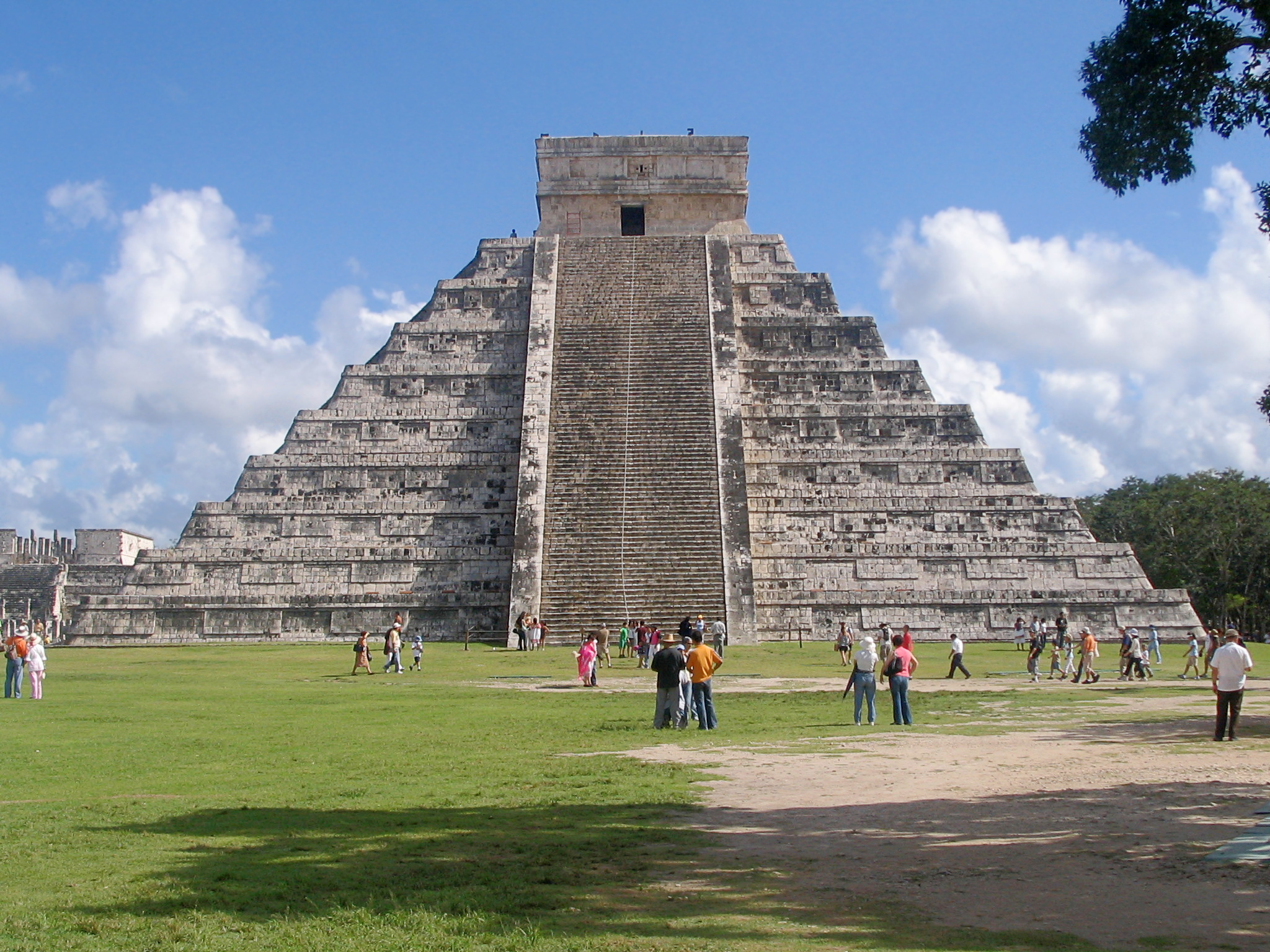 Kukulcán pyramid at Chichén Itzá during the daytime visit
 Night view of El Caracol during the Chichén Itzá light show
Best way to plan the day
There are three sensible ways to do Noches de Kukulkán.
Option 1: Stay in Valladolid and go in the evening
This is the most balanced plan.
Spend the day slowly in Valladolid. Visit a cenote if you want, rest in the afternoon, eat early, then go to Chichén Itzá for the show.
This works well for couples, families, and travelers who do not want a punishing day.
Option 2: Visit Chichén Itzá by day, then return for the show
This gives you the fullest experience, but it is a long day.
Go early for the normal archaeological visit. Hire a guide if you want context. Leave before the hottest part of the afternoon. Rest, eat, then return for Noches de Kukulkán.
This is best if you are staying in Valladolid, Pisté, or a nearby hotel.
Option 3: Private driver from Mérida
This works if you want a cultural evening without changing hotels.
Leave Mérida in the late afternoon. Keep stops minimal. Go straight to Chichén Itzá, see the show, then return.
This is not the cheapest option, but it is safer and easier than driving yourself late at night after a full day.
For the next step, use the Plan hub to compare itineraries, transport and practical resources already available.
What to combine nearby
Noches de Kukulkán works best with nearby, low-stress plans.
Good combinations:
- Chichén Itzá daytime visit
- Valladolid
- Cenote Ik Kil
- Cenote Yokdzonot
- Tsukán Santuario de Vida
- Pisté for a simple meal before the show
- A slow overnight stay near Chichén Itzá
Avoid combining it with:
- Uxmal or the Ruta Puuc on the same day
- Celestún
- Río Lagartos
- A long beach day
- Several cenotes far apart
- A same-day round trip from the Riviera Maya with no driver
The show is better when you are not arriving tired.
Is it good for families?
Noches de Kukulkán can work for families, especially with older children who are interested in ruins, lights, stories, and walking at night.
It is less ideal for toddlers and very young children. The event is late, the route is controlled, and the return journey can be awkward if a child falls asleep.
For families, the easiest setup is:
- Stay in Valladolid or Pisté
- Eat before the show
- Bring water
- Use bathrooms before entry
- Have transport confirmed before arrival
- Keep the next morning light
If you are traveling with grandparents, children, or a larger group, this is one of those experiences where a private driver can be worth it.
Is it good for photography?
Yes, but manage expectations.
The show gives you a rare view of El Castillo lit at night. Phones can capture decent images, and small cameras can do well if you understand low-light settings.
Do not bring a drone. Chichén Itzá is a no-drone zone, and rules around professional video equipment can be strict. Keep your setup modest unless you have confirmed the correct permit rules.
A few simple tips:
- Charge your phone before arrival
- Turn off flash unless staff allow it
- Use night mode if your phone has it
- Do not block paths with tripods
- Let the show happen instead of filming the whole thing
What to bring
Bring less than you would for a full daytime ruins visit, but do not arrive empty-handed.
Useful items:
- Ticket confirmation
- ID
- Cash and card
- Water
- Comfortable shoes
- Light bug protection
- Phone with battery
- A small bag
- A light layer in cooler months
Avoid bulky bags, drones, large filming equipment, and anything that will slow you down at entry.
The ground may be uneven and lighting can be low in parts of the route. Wear real shoes, not beach sandals.
Weather and cancellations
Rain matters. Technical issues matter too.
Noches de Kukulkán is an outdoor experience built around projection, sound, and controlled access through an archaeological zone. Heavy rain can affect the show.
If you are visiting during the rainy season, build some flexibility into your plan. Do not make the night show the single irreplaceable event of a short trip unless you are comfortable with the risk.
If the event is cancelled, refund rules may depend on how and where you bought the ticket. Online purchases and physical purchases can be treated differently. Keep your receipt and booking confirmation.
Safety and night driving
Yucatán is one of Mexico’s easier regions for road travel, but night driving still deserves respect.
After dark, rural roads can have topes, cyclists, animals, parked vehicles, and stretches with limited lighting. If you are tired, it is better to have a driver.
If driving yourself:
- Leave early enough that you are not rushing
- Use main roads where possible
- Fill fuel before the show
- Do not rely only on mobile signal
- Avoid unnecessary stops late at night
- Keep your hotel route saved offline
From Valladolid or Pisté, this is manageable. From Mérida, it is a long but reasonable return if you are alert. From Cancún or the Riviera Maya, it becomes a serious night drive.
Who should skip it
Skip Noches de Kukulkán if you are expecting a full archaeological visit. You will be better served by a morning entry with a guide.
Also skip it if:
- You only have one day in Yucatán
- You do not want to travel after dark
- You are relying on uncertain transport
- You need English narration
- You are already doing a long Chichén Itzá day trip from the coast
- You are traveling with small children who will be exhausted
This is a good add-on, not a replacement for understanding Chichén Itzá.
Suggested overnight itinerary
For most travelers, Valladolid is the best base.
Day 1
Arrive in Valladolid. Walk the centro, visit Calzada de los Frailes, and have a slow lunch. Rest in the afternoon.
Leave for Chichén Itzá with enough time for check-in. See Noches de Kukulkán. Return to Valladolid and sleep.
Day 2
Visit Chichén Itzá early in the morning with a guide, or choose a cenote day if you already feel satisfied with the night show.
This route keeps the night experience relaxed and avoids a long late drive.
Suggested Mérida itinerary
If you are doing it from Mérida, keep it simple.
Leave Mérida in the late afternoon with a private driver. Stop for an early dinner near Pisté or eat before leaving. Attend the show, then return directly to Mérida.
Do not add multiple ruins, cenotes, and villages to the same day unless you are prepared for a very long outing.
For the next step, compare the Stay guides with the relevant destination guide.
Before you book
Before buying tickets, check four things:
- Is your date available on the official portal?
- What is the current ticket price?
- What time is the function?
- How are you getting back after the show?
If those four answers are clear, Noches de Kukulkán is easy to plan. If one is uncertain, fix that before paying.
You may also want to check our broader Chichén Itzá guide before deciding whether to visit by day, by night, or both:
Complete Guide to Chichén Itzá
For a base nearby, Valladolid is the most practical town for most visitors:
GuideMérida to El Cuyo Private Transfer: What to Know Before You BookCompare the practical ways to arrange a private transfer from Mérida to El Cuyo, including timing, road conditions, luggage, public transport alternatives and useful stops.Open
FAQ
Is Noches de Kukulkán the same as visiting Chichén Itzá by day?
No. It is a separate evening experience with a controlled route and projection. The daytime visit is better for seeing the full archaeological site.
Is the show in English?
The official event information lists Spanish audio. Non-Spanish speakers can still enjoy the lights and setting, but they may miss much of the narration.
Can I buy tickets at the entrance?
Sometimes, if there is availability. It is safer to buy online through the official portal when your date is listed.
Can I use my daytime Chichén Itzá ticket?
Noches de Kukulkán is a separate ticketed event. Treat it as a different visit.
Is it good from Mérida?
Yes, but it makes for a long evening. A private driver is the easiest option.
Is it good from Cancún?
Only if you accept a very long day or stay overnight near Valladolid or Chichén Itzá. For most travelers from Cancún, a daytime Chichén Itzá tour is easier.
Is it worth it if I only have one chance to see Chichén Itzá?
Usually no. If you only have one visit, go during the day, early, with a guide.
Can children go?
Yes, but it is better for older children. Confirm current child ticket rules before booking.
Can I bring a drone?
No. Do not bring or fly a drone at Chichén Itzá.
Final take
Noches de Kukulkán is best treated as an evening add-on for travelers who already have a sensible base nearby. It gives Chichén Itzá a different mood: darker, quieter, more focused on El Castillo and the story projected onto it.
It is not the most practical way to understand the site for the first time. But if you are staying in Valladolid or Pisté, or you have a good driver from Mérida, it can be a memorable night without forcing the day to become complicated.
Plan the transport first. Check the official ticket portal. Keep the day light. That is the difference between a good evening and a tired mistake.
Image credits
Hero and main night-show image: Isabel A01706197 / Wikimedia Commons
Light-show walkway image: Joseandreydv / Wikimedia Commons
Daytime Chichén Itzá image: Cvmontuy / Wikimedia Commons
Caracol night image: Joseandreydv / Wikimedia Commons


