

Last updated: 13 July 2026. Chichén Itzá is currently listed by INAH as open daily from 8:00 am to 4:00 pm, with last access at 3:00 pm. The standard 2026 daytime total is 697 MXN for a foreign adult and 310 MXN for a Mexican national.
Chichén Itzá is worth visiting if you want one of Yucatán’s most important and monumental archaeological sites. It is also hot, busy and relatively expensive compared with many other ruins. Go early if you want cooler weather and fewer crowds.
This guide focuses on the practical questions: when the site opens, what admission really costs, where tickets are sold, how Sunday entry works, and how much time you need before the gates close.
Want a timed day plan from your starting city? Use the Chichén Itzá Day Planner.
Chichén Itzá hours and prices at a glance
| Detail | Current 2026 information |
|---|---|
| Opening hours | Daily, 8:00 am–4:00 pm |
| Last access | 3:00 pm |
| Foreign adult admission | 697 MXN |
| Mexican national admission | 310 MXN |
| Yucatán resident admission | 105 MXN with qualifying identification |
| Children under 13 | Listed as exempt for daytime entry; bring proof of age |
| Private vehicle parking | 124 MXN |
| Best arrival | 8:00–9:00 am |
| Time needed | Around 2.5–3.5 hours for most visitors |
| Daytime tickets | Official federal tickets may be available online; the state fee is separate |
| Night show | Separate ticket, normally Wednesday–Sunday at 7:00 pm |
These prices are based on the official 2026 federal and Yucatán state tariffs. Fees can change, so check again shortly before travelling.
GuideComplete Guide to Chichén Itzá: Tickets, Hours, Tours, Cenotes & TipsChichén Itzá is the world‑famous Maya archaeological zone located near Pisté in the municipality of Tinum, Yucatán, and is typically accessed from Valladolid, Mérida, Cancún, Playa del Carmen or Tulum. The site is generally open daily from 08:00 to 16:00 with the last entry recorded at 15:00, although visitors should verify the exact hours before travelling. Admission is split between a federal INAH fee of MXN 105 and a state fee of MXN 592 for foreign adults (MXN 697 total) or MXN 205 for Mexican nationals (MXN 310 total); discounts may apply for children, students, seniors or Yucatán residents who present valid ID. Reaching the ruins takes about 40–45 minutes from Valladolid, 1.5–2 hours from Mérida, and 2.5–3 hours from Cancún or Playa del Carmen; travel can be done by rental car, taxi, colectivo or organized tour, with tours often including the entrance fee. A visit usually requires 2.5–4 hours for a quick overview, or 4–5 hours if the on‑site museum and a more relaxed pace are desired. Visitors are advised to arrive at opening to avoid the heat, crowds and vendor pressure that build up later in the morning. Early arrival provides cooler weather, better lighting for photos and shorter queues at El Castillo and the Sacred Cenote. Bring plenty of water, sun protection and cash in pesos; many tours bundle transport, guide services and cenote stops, so check the inclusions carefully. Staying overnight in Valladolid or Pisté makes an early start easier, while a guide is not mandatory but recommended for first‑time visitors who want contextual information.OpenCurrent Chichén Itzá opening hours
Chichén Itzá is officially listed as open:
- Monday to Sunday: 8:00 am–4:00 pm
- Last access: 3:00 pm
- Regular closing day: none
The 3:00 pm last-access time matters. It is not a recommended arrival time. Entering at 3:00 pm gives you only about one hour before closing, which is not enough for a comfortable visit to the main plaza, Great Ball Court, Sacred Cenote and southern structures.
For a proper first visit, arrive no later than midday. At opening time is better.
Older tour pages and travel articles may still quote a 5:00 pm closing time. Do not plan around that. Current INAH and CULTUR information lists the daytime archaeological zone from 8:00 am to 4:00 pm.
GuideComplete Guide to Chichén Itzá: Tickets, Hours, Tours, Cenotes & TipsChichén Itzá is the world‑famous Maya archaeological zone located near Pisté in the municipality of Tinum, Yucatán, and is typically accessed from Valladolid, Mérida, Cancún, Playa del Carmen or Tulum. The site is generally open daily from 08:00 to 16:00 with the last entry recorded at 15:00, although visitors should verify the exact hours before travelling. Admission is split between a federal INAH fee of MXN 105 and a state fee of MXN 592 for foreign adults (MXN 697 total) or MXN 205 for Mexican nationals (MXN 310 total); discounts may apply for children, students, seniors or Yucatán residents who present valid ID. Reaching the ruins takes about 40–45 minutes from Valladolid, 1.5–2 hours from Mérida, and 2.5–3 hours from Cancún or Playa del Carmen; travel can be done by rental car, taxi, colectivo or organized tour, with tours often including the entrance fee. A visit usually requires 2.5–4 hours for a quick overview, or 4–5 hours if the on‑site museum and a more relaxed pace are desired. Visitors are advised to arrive at opening to avoid the heat, crowds and vendor pressure that build up later in the morning. Early arrival provides cooler weather, better lighting for photos and shorter queues at El Castillo and the Sacred Cenote. Bring plenty of water, sun protection and cash in pesos; many tours bundle transport, guide services and cenote stops, so check the inclusions carefully. Staying overnight in Valladolid or Pisté makes an early start easier, while a guide is not mandatory but recommended for first‑time visitors who want contextual information.OpenWhat time should you arrive?
The easiest arrival window is 8:00–9:00 am.
At that time:
- The temperature is usually more manageable.
- The main tour-bus wave has not fully arrived.
- The light around El Castillo is softer.
- You have enough time to see more than the central plaza.
- A guide can work at a sensible pace without racing the closing time.
Late morning and early afternoon are usually the hardest hours. The open plazas become hot, shade is limited, and the site feels busier.
A late visit can work if your schedule leaves no alternative, but enter well before the 3:00 pm cutoff. This is not the best option for families with small children, older travellers, or anyone who struggles in strong heat.
A time-zone warning for visitors from Cancún and the Riviera Maya
Chichén Itzá is in Yucatán state, while Cancún, Playa del Carmen and Tulum are in Quintana Roo. Quintana Roo is normally one hour ahead of Yucatán.
That can work in your favour on the drive west: an 8:00 am opening at Chichén Itzá corresponds to 9:00 am in Cancún time. It can also cause confusion with tours, hotel pickups and return plans.
Check which local time your booking uses. Do not assume your phone, rental-car clock and tour confirmation all show the same zone.
GuideEssential Yucatán Travel Tips for First-Time VisitorsThe article is a practical guide for first‑time visitors to the Yucatán Peninsula in Mexico, offering advice on timing, transportation and general preparation. It advises that the optimal period for travel is the dry season, from October through April, when temperatures are comfortable, rainfall is minimal and skies are clear for exploring ruins and swimming in cenotes. The rainy season runs from May to September, bringing higher humidity and afternoon storms but also fewer tourists and lower prices. For getting around, the guide notes that public transport exists but recommends renting a car for the greatest flexibility, especially for reaching remote cenotes and archaeological sites, as the roads are generally well‑maintained. Those who prefer not to drive can use ADO intercity buses, which provide comfortable service between major towns. Visitors should expect to plan their itinerary around the seasonal weather patterns and decide whether a self‑driven itinerary or bus travel best suits their schedule. A useful tip is to consider the quieter, cheaper rainy months if crowds are a concern, while being prepared for occasional storms. No specific costs, opening hours or duration of activities are given.Open
Chichén Itzá ticket prices in 2026
Chichén Itzá admission combines two charges:
- A federal INAH archaeological-zone fee.
- A separate Yucatán state fee administered through AAFY/CULTUR.
For 2026, the official published breakdown is:
| Visitor | Federal INAH fee | Yucatán state fee | Total |
|---|---|---|---|
| Foreign adult | 105 MXN | 592 MXN | 697 MXN |
| Mexican national | 105 MXN | 205 MXN | 310 MXN |
| Yucatán resident | 105 MXN | Exempt | 105 MXN |
Bring the identification that supports the rate you are claiming. A photograph of a document may not always be accepted in place of an original current credential.
Guide5 Days in Yucatán: Mérida, Uxmal, Izamal, Chichén Itzá and ValladolidA practical five-day Yucatán itinerary using Mérida and Valladolid as bases, with Uxmal, Kabah, Izamal, Chichén Itzá, Ek Balam and realistic drive times.Open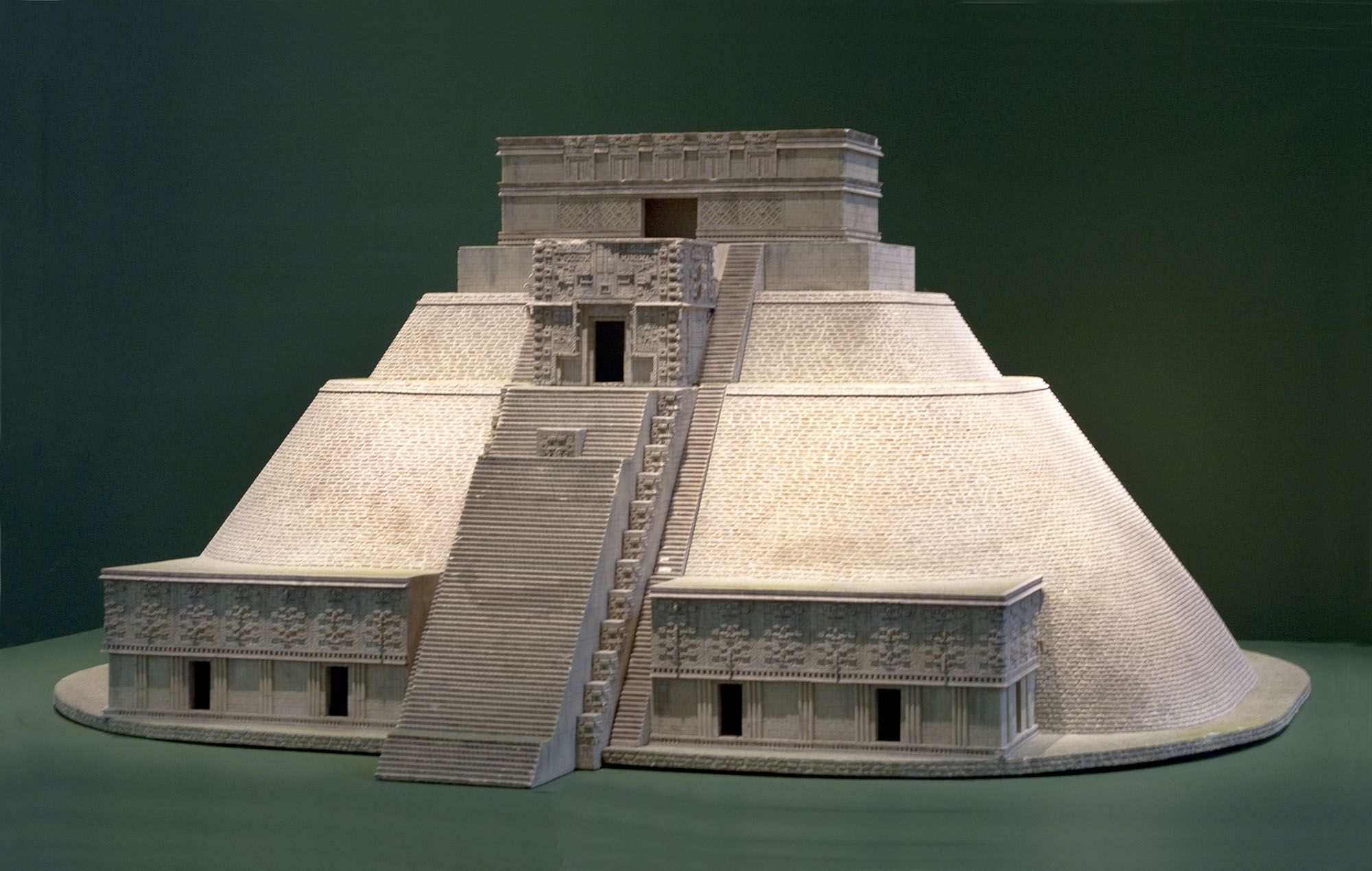
Why the price can look confusing online
Some websites display only the 105 MXN INAH fee. That is not the complete foreign-adult cost. The Yucatán state charge is additional and makes up most of the combined ticket.
Other sellers bundle admission with transport, lunch, a guide or a cenote. A product described as a “Chichén Itzá ticket” may therefore cost much more than the official gate total.
Before buying, check whether the price includes:
- The federal INAH component
- The Yucatán state component
- A guide
- Transport
- Parking
- Cenote admission
- Lunch or drinks
A cheap tour is not always cheap once the mandatory entrance charges are added.
Children, students, teachers, seniors and other exemptions
Current official listings describe daytime exemptions for several groups, including:
- Children under 13
- People aged over 60
- Pensioners and retirees
- People with disabilities
- Students
- Teachers
- Qualifying Yucatán residents for the state portion
These concessions depend on valid documentation. The federal and state components have separate legal bases, and staff may need to check the document before issuing the correct ticket.
Bring current official identification. For children, carry a passport or another document showing age. For students, teachers, seniors and residents, bring the relevant original credential rather than relying only on a phone image.
The exemptions above apply to normal daytime admission, not automatically to Noches de Kukulkán.
Is Chichén Itzá free on Sundays?
Mexican nationals are normally exempt from daytime admission on Sundays with valid identification. This can make Sunday busier with domestic visitors, especially during school holidays and long weekends.
Foreign visitors should not expect free Sunday entry. Foreign residents should confirm their exact eligibility before travelling because the federal and state charges are administered separately and official summaries do not always explain every residency case in the same way.
Sunday is useful for eligible Mexican visitors, but it is not usually the quietest day.
Where to buy Chichén Itzá tickets
INAH now lists an official online ticket portal for the federal archaeological-zone ticket. However, Chichén Itzá also has the separate Yucatán state charge.
For an independent visit, use one of these approaches:
Buy at the archaeological zone
This remains the clearest option for most independent visitors. The ticket staff can apply the correct national, foreign, resident, child or concession rate and process the separate fee components.
Arrive early so that ticketing does not take time away from the visit.
Buy the federal ticket through INAH
The official INAH listing includes an online sales link. Read the confirmation carefully. An INAH ticket may cover the federal component without removing the separate Yucatán state charge.
Do not assume one online QR code necessarily represents the complete 697 MXN foreign-adult total.
Book a tour or bundled entry product
Third-party platforms sell guided visits, transfers and packages. Some are useful, particularly from Mérida, Cancún or Playa del Carmen. Others advertise “skip the line” without making the inclusions clear.
Check the final price and ask whether both mandatory admission components are included.
For a full independent-planning guide, read how to visit Chichén Itzá without a tour.
Payment and receipts
Bring both a bank card and enough Mexican pesos to cover admission, parking, drinks and small purchases.
Payment systems and counter procedures can change. Cash gives you a backup if a terminal or connection is unavailable, but do not rely on claims that every charge is always cash-only.
Keep every ticket and receipt issued at the entrance until you leave. The combined admission may involve separate federal and state records.
Avoid depending on US dollars. Even where foreign currency is accepted nearby, the exchange rate is unlikely to be favourable.
Parking costs
The official 2026 CULTUR tariff lists:
- Private vehicle parking: 124 MXN
- Bus parking: 102 MXN
The main visitor parking area is close to the entrance complex. On busy dates, arriving early reduces the chance of a slower approach, crowded ticket area or longer walk from overflow parking.
Do not leave passports, cameras or luggage visible inside the vehicle.
How long do you need at Chichén Itzá?
Allow 2.5–3.5 hours for a normal first visit.
That gives you enough time for:
- El Castillo
- The Great Ball Court
- Tzompantli and the nearby platforms
- Temple of the Warriors
- The Group of the Thousand Columns
- The Sacred Cenote
- El Caracol and Las Monjas if you keep a steady pace
A guided visit can take around two hours for the principal structures. Add extra time if you want to continue independently, visit the museum, stop often for photographs, or move slowly in the heat.
One hour is too short for most visitors. Four hours is comfortable for history-focused travellers, but the heat may make a continuous four-hour walk tiring.
 The Great Ball Court at Chichén Itzá
Do you need a guide?
A guide is not compulsory, but Chichén Itzá benefits from interpretation more than many smaller ruins.
The monuments include Maya, Puuc and central-Mexican influences, with layers of political, ritual and astronomical meaning. Without context, it is easy to spend most of the visit photographing El Castillo and miss the importance of the ball court, carved platforms, Sacred Cenote and southern group.
Use a certified guide with visible credentials. Agree on the language, duration, route and price before starting.
A private guide makes most sense for:
- First-time visitors
- Families or small groups sharing the cost
- History-focused travellers
- Visitors who want to ask questions and control the pace
Independent visitors can still have a good experience with prior reading and a clear walking plan.
Rental car, tour, bus or private driver?
| Starting point | Practical choice | Approximate journey |
|---|---|---|
| Valladolid | Car, taxi, colectivo, tour or driver | 40–45 minutes |
| Mérida | Rental car, ADO bus, tour or private driver | 1.5–2 hours |
| Cancún | Tour, rental car or private driver | 2.5–3 hours |
| Playa del Carmen | Tour, rental car or private driver | 2.5–3 hours |
| Tulum | Rental car, tour or private driver | Around 2–2.5 hours |
A rental car gives you the most freedom to arrive at opening and add a cenote or Valladolid. A private driver is easier for families and groups who do not want to manage parking, time zones or a long return drive.
A bus works well if Chichén Itzá is your main stop and the timetable gives you enough time before the 4:00 pm close. Tours are useful from the Riviera Maya, but compare journey length and the amount of actual time at the ruins.
For route details, see Mérida to Chichén Itzá or Valladolid to Chichén Itzá.
Noches de Kukulkán night-show tickets
Noches de Kukulkán is a separate evening experience. It is not included in normal daytime admission.
The official 2026 tariff lists:
| Night-show category | Price |
|---|---|
| Wednesday–Saturday | 1,163 MXN |
| Foreign visitor on Sunday | 1,163 MXN |
| Mexican national on Sunday | 730 MXN |
The currently published show time is 7:00 pm. The experience includes an approximately 45-minute night route and a projection lasting around 25 minutes. Children aged four and over require a ticket under the published rules.
Availability is date-specific. Book through the official Noches de Kukulkán ticket portal and arrange the return journey before you go.
The night show works best if you are staying in Pisté or Valladolid. It is a long evening from Mérida and a particularly demanding return from Cancún, Playa del Carmen or Tulum.
It should not replace the daytime visit if this is your only chance to see Chichén Itzá. Read our full Noches de Kukulkán guide before booking.
 The serpent-shadow effect on El Castillo at Chichén Itzá

What to bring
Bring:
- Water
- Hat or umbrella for sun
- Sunscreen
- Comfortable closed shoes or walking sandals
- Mexican pesos and a bank card
- Passport or qualifying identification for discounted rates
- A small rain layer in the wet season
- Insect repellent for early or damp conditions
The site is broad and exposed. Dress for heat rather than for a polished photo stop.
Official visitor information also prohibits food, smoking and pets inside the archaeological zone. Flash photography is restricted, and professional equipment can require separate permission or fees.
Keep bags light. Security checks and lockers may be part of the entry process.
What to combine with Chichén Itzá
Chichén Itzá works well with one additional main stop. Trying to add too much usually makes the day worse.
A nearby cenote
A cenote is the most common pairing. It gives you a place to cool down after the ruins, but famous cenotes can become crowded at the same time as the tour groups.
See our guide to cenotes near Chichén Itzá before choosing one.
Valladolid
Valladolid is a better place for lunch, a walk and an overnight stay than the roadside stops around the archaeological zone. It also makes an early Chichén Itzá arrival easier the following morning.
GuideValladolid Travel Guide: What to Do, Where to Stay and How to Plan Your TripValladolid is a small colonial town in eastern Yucatán, roughly halfway between Mérida and Cancún and within an hour’s drive of Chichén Itzá and Ek Balam. The guide suggests staying two nights for most itineraries, with three nights better for families or those who want to visit several cenotes or make day trips to Río Lagartos, Las Coloradas or Cobá. Getting there is easy by rental car, ADO bus, Tren Maya or private driver; the bus station is central, while the train station lies outside the historic centre and requires a taxi or shuttle. Within the town the historic centre, Calzada de los Frailes and the main square are all walkable, but a car, taxi, colectivo, bicycle or scooter is needed for most cenotes and ruins. Typical activities include a morning walk around the main square, visiting Iglesia de San Servacio and the municipal palace, strolling the colourful Calzada de los Frailes, and touring the Convent of San Bernardino de Siena. Cenote Zací, just outside the centre, offers a convenient swim; the local market provides cheap breakfast and snacks. Visitors should plan to start early at ruins and cenotes to avoid the heat, bring cash in small bills, wear grip sandals for cenote water, and respect church dress codes. In the hotter months (April‑May) a hotel with a pool is advisable, and the most comfortable weather is from November to March.Open
Lunch in Pisté
Pisté is practical when you want to eat without adding another drive. Choose it for convenience rather than for a full destination experience.
For most travellers, Chichén Itzá + one cenote + Valladolid is already a full day. From the Riviera Maya, even that combination can feel rushed.
Common mistakes
Arriving near last entry
A 3:00 pm ticket does not provide enough time for a good first visit. Work backward from the 4:00 pm close.
Budgeting only for the 105 MXN INAH fee
The state charge is mandatory for visitors who are not exempt. A foreign adult total is 697 MXN under the 2026 tariff.
Assuming an online ticket covers everything
Check whether it includes both the federal and state components. Some products cover only one fee or bundle admission with services you may not need.
Forgetting identification
Discounted, resident and exempt categories depend on documentation. Without it, expect to pay the standard applicable rate.
Treating Sunday as a quiet day
Free Sunday access for Mexican nationals can increase local attendance.
Ignoring the Quintana Roo time difference
Travellers from Cancún, Playa del Carmen and Tulum can arrive an hour earlier or later than intended if the booking and phone clocks use different local times.
Packing too many stops into the day
The ruins deserve at least 2.5 hours. Add driving, ticketing, lunch and a cenote, and the day fills quickly.
Check official details before travelling
For the most current operating information, use:
- Official INAH Chichén Itzá listing
- INAH Lugares visitor information
- CULTUR attractions and visitor services
- Official Noches de Kukulkán ticket portal
Check again the day before a long journey. Archaeological sites can occasionally change access because of weather, maintenance, demonstrations or special operations.
Final planning advice
For most first-time visitors, the cleanest plan is simple: arrive between 8:00 and 9:00 am, allow three hours, bring identification and pesos, then choose either a cenote or Valladolid for the afternoon.
Use a rental car if you want flexibility. Choose a trusted tour if you prefer a guide and fixed transport. A private driver is often the easiest option for families, groups and travellers combining Chichén Itzá with a cenote without wanting to manage the route themselves.
For the next step, use the Plan hub to compare itineraries, transport and practical resources already available.
 Backup planComplete Guide to Chichén Itzá: Tickets, Hours, Tours, Cenotes & Tips