

Yucatán has many cenotes, but not every cenote suits every trip.
Some are easy, polished, and good for families. Some are quiet and rural but harder to reach. Some work well as a half-day from Mérida. Others make more sense if you are already sleeping in Valladolid, visiting Chichén Itzá, or driving across the peninsula.
This guide is written to help you choose well, not just collect names.
The best cenote for you depends on where you are staying, how much time you have, whether you have a car, how comfortable you are with stairs and deep water, and whether you want a simple swim or a full day trip. Go early if you want cooler weather and fewer crowds. Bring cash, dry clothes, water shoes if you have them, and a flexible attitude. Cenote hours, prices, access rules, and life-jacket policies can change without much notice.
Yucatán’s cenotes are part of a much larger karst and groundwater system. The famous Ring of Cenotes follows the edge of the Chicxulub impact structure, and this landscape is one reason cenotes are so concentrated in parts of the state.
Quick answer: the best cenotes in Yucatán by trip style
If you only have time for one cenote day from Mérida, start with Homún. It has many cenotes close together, and you can choose between simple local spots, larger complexes, and cave-style swims.
If you are staying in Valladolid, choose between Cenote Oxmán, Cenote Xkeken, Cenote Samulá, Cenote Suytun, or Cenote Chukum-Ha, depending on whether you want a relaxed swim, a classic photo stop, or a more organized park-style visit. Valladolid-area cenotes such as Oxmán, Sac Aua, and Chukum-Ha are solid year-round options.
If you are combining a cenote with Chichén Itzá, the easiest options are usually Ik Kil, Tsukán, or a Valladolid-area cenote after the ruins.
If you want something easy for children or mixed-age groups, look for cenotes with good stairs, railings, changing rooms, life jackets, parking, and food nearby. Santa Bárbara, Chukum-Ha, and some Valladolid-area cenotes are usually easier than remote cave cenotes.
If you want a quieter, more rural experience, consider Cuzamá, Homún’s smaller cenotes, or lesser-known spots near the Ring of Cenotes. These are easier with a rental car or private driver.
How to choose the right cenote
A cenote can be open, semi-open, or cave-like. Open cenotes feel more like natural swimming holes, with more sun and easier light. Semi-open cenotes have a roof opening and dramatic shafts of light. Cave cenotes can be beautiful and calm, but they may feel enclosed, dark, and less suitable for nervous swimmers or small children.
Most travelers do best by choosing the cenote based on the day they are already planning.
From Mérida, choose Homún, Cuzamá, Santa Bárbara, San Ignacio, or a cenote near the Ring of Cenotes.
From Valladolid, choose Oxmán, Suytun, Xkeken, Samulá, Saamal, Chukum-Ha, or Sac Aua.
From Chichén Itzá, choose Ik Kil, Tsukán, Yokdzonot, or continue to Valladolid.
From Progreso or the coast, cenotes are possible but usually make for a longer day. In that case, it is better to combine the swim with Mérida, a hacienda, or a planned private route rather than treating it as a quick beach break.
Best cenotes near Mérida
Mérida is a strong base for cenote trips because the city sits within driving distance of Homún, Cuzamá, Abalá, Mucuyché, and several smaller communities. You do not need to sleep near the cenotes unless you want a slower rural stay.
For most travelers, cenotes near Mérida work best as a half-day or full-day trip. A rental car gives you the most freedom, especially if you want to visit two or three cenotes. A private driver is easier if you do not want to navigate rural roads, parking, and timing. Public transport is possible to some towns, but it can limit your choices and make the return more complicated.
Homún cenotes
Homún is one of the most useful cenote areas for travelers staying in Mérida. It is close enough for a day trip and has many cenotes within a small rural area. Some are simple and community-run. Others are more developed, with restaurants, changing rooms, and organized access.
This is a good choice if you want variety. You can visit one larger complex and then add a quieter cave cenote nearby, or you can let a local guide or moto-taxi driver take you between several stops.
Homún works well for:
- families who want a manageable cenote day
- couples who want a rural swim without driving too far
- travelers who want to see more than one cenote
- groups using a private driver from Mérida
It is not the best option if you want a polished resort-style experience. Roads can be rough in places, signs are not always obvious, and some cenotes have steep stairs. Bring cash and do not assume every stop accepts cards.
 Cenote Santa Bárbara in Homún, Yucatán

Cenotes Santa Bárbara
Cenotes Santa Bárbara is one of the easiest introductions to Homún because several cenotes sit within one organized property. This makes the day simpler: arrive, pay, use the facilities, and move between cenotes inside the site.
It is a good option for families, first-time visitors, and travelers who want less improvisation. You still get the feeling of swimming in underground Yucatán, but with more structure than a remote cave cenote.
Go early if you want a calmer visit. It can get busier because it is one of the better-known options in the area.
GuideCenotes Santa Bárbara, Homún: 2026 Visiting GuideCenotes Santa Barbara is a cenote park near Homún, about 45–50 km north of Mérida in the Yucatán. The site offers access to four cenotes—Cascabel, Chacsinkín, Xooch’ and Pool Cocom—together with restrooms, changing rooms, showers, Wi‑Fi, free parking, a restaurant, lifeguards and mandatory life jackets. Tickets are sold as day‑passes that include cenote entry, a life jacket and internal transport by bicycle, combi shuttle or, in some packages, the Expreso Santa Barbara motorized train; lunch can be added for an extra fee. Prices are not fixed in the article, so travelers should check current online or walk‑up rates before booking. The park opens roughly 9:00 AM to 5:00 PM, with facilities staying open until about 6:00 PM. The best arrival window is 9:00–10:00 AM, especially on weekends and holidays. From Mérida the drive takes 50–70 minutes; public buses, colectivos or shared vans can reach Homún, followed by a short mototaxi ride to the park. Visitors usually spend 3–5 hours inside, plus 2–2.5 hours total driving time. Guests can expect a family‑friendly, organized day: life jackets are provided, transport moves groups between cenotes, and Pool Cocom has an elevator for people with disabilities, older adults or pregnant visitors. The other cenotes require stairs. Tips include arriving early to avoid crowds, confirming whether all four cenotes are included on the day of visit, bringing cash in pesos for small purchases and mototaxis, and choosing transport (bike, combi or train) that suits the group’s fitness and weather conditions. The park is suited to families, first‑time cenote swimmers and mixed‑mobility groups, but less ideal for those seeking solitude, a very low‑cost experience or a completely independent itinerary.Open
Cuzamá cenotes
Cuzamá is close to Homún and is known for rural cenote routes. It can feel more rustic and adventurous than the larger organized cenote parks. This is better for travelers who are comfortable with uneven access, simple facilities, and a slower pace.
Cuzamá is easier with a rental car or private driver. It is not the best choice if you need predictable timing, very easy stairs, or full facilities at every stop.
If you like countryside routes and do not mind a less polished day, Cuzamá can be rewarding. If you are traveling with small children or older relatives, choose carefully.
 Cuzamá cenotes

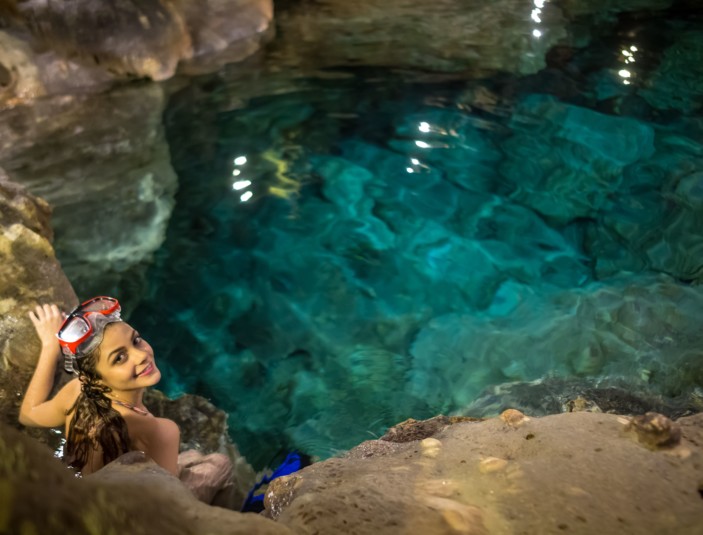
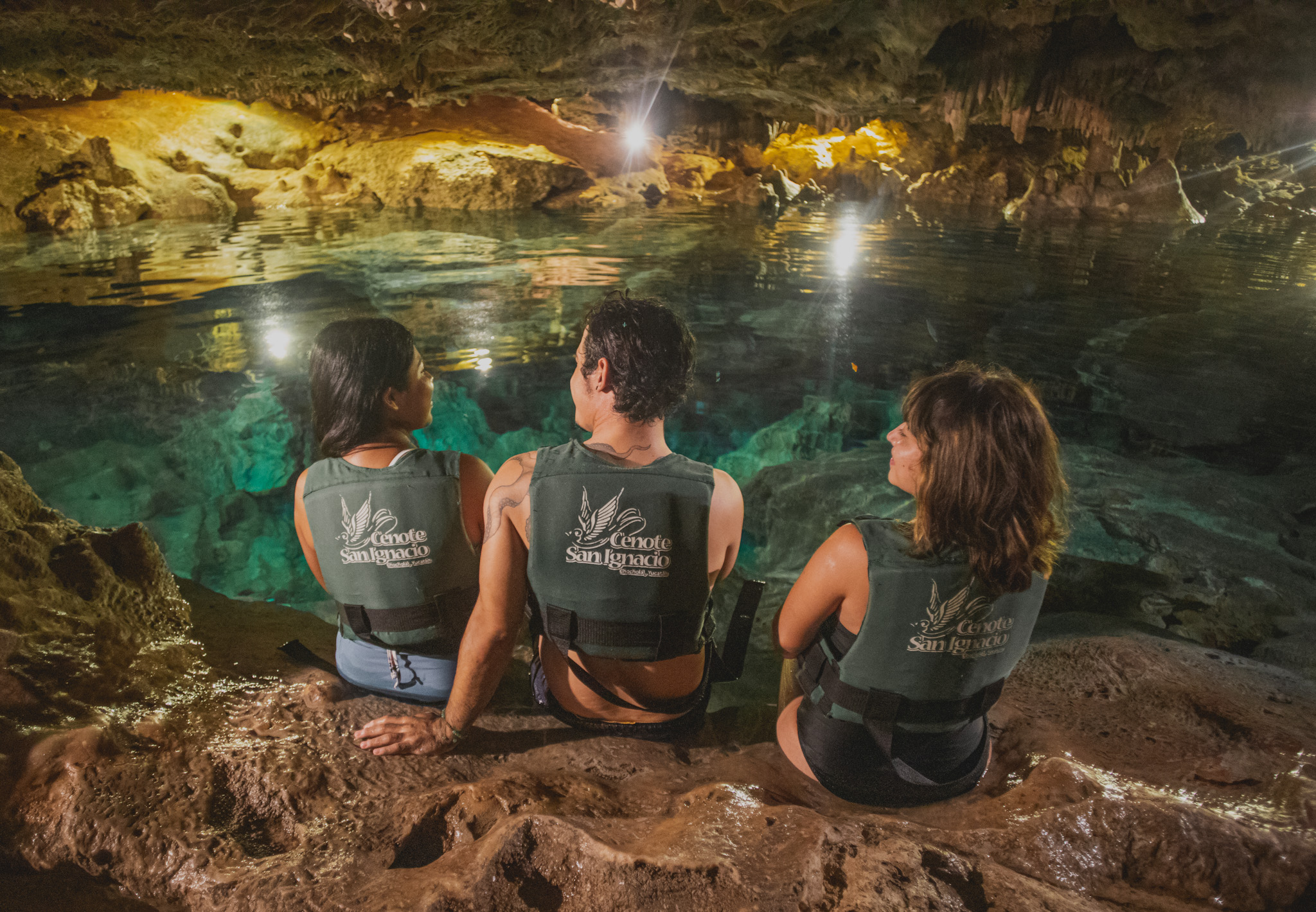
Cenote San Ignacio
Cenote San Ignacio is closer to Mérida than Homún and works well if you want a simple swim without a long rural route. It is more developed and easier to organize than many countryside cenotes.
This is a practical choice when you have limited time, do not want to drive far, or want to combine a swim with a relaxed lunch. It is not the most dramatic cenote in Yucatán, but it is convenient.
 Cenote San Ignacio
Cenotes Hacienda Mucuyché
Mucuyché is one of the more polished cenote-hacienda experiences near Mérida. It works well for travelers who want a guided, organized visit with historic atmosphere and clear facilities.
This is a better fit for couples, families, and travelers who prefer structure. It is less ideal if you are looking for a low-cost, local, rough-around-the-edges swim.
Book ahead when possible, especially in high season, weekends, and holiday periods.
 Cenote Hacienda Mucuyché, Yucatán

Best cenotes near Valladolid
Valladolid is one of the easiest towns in Yucatán for cenote planning. Several cenotes are close to the center, and others sit along routes toward Chichén Itzá, Ek Balam, and nearby villages.
If you are sleeping in Valladolid, you can visit a cenote early, return for lunch, and still have time for a slow afternoon in town. If you are coming from Mérida or Cancún, choose one or two cenotes only. Trying to visit ruins, Valladolid, and several cenotes in one day often becomes too rushed.
Cenote Oxmán
Cenote Oxmán is a strong choice for a relaxed Valladolid swim. It sits on a hacienda-style property and has a classic open-cenote feel, with hanging roots, blue water, and enough facilities to make the visit easy.
It works well for couples, friend groups, and families with confident swimmers. It can be combined with Valladolid’s historic center, lunch in town, or a morning visit to Ek Balam.
Go earlier in the day for better light and fewer people. If your goal is a calm swim rather than a photo stop, this is one of the better Valladolid choices.
 Swimming in Oxman Cenote

Cenote Suytun
Suytun is one of the most photographed cenotes near Valladolid. The circular platform and beam of light are the reason many people go.
It is worth visiting if you care about photography and do not mind waiting your turn. It is not always the best choice if your main goal is a long, peaceful swim. The experience can feel more like a photo stop than a quiet nature visit, especially at busy times.
Go early, keep expectations realistic, and pair it with another cenote if you want more swimming.
 Cenote Suytun
Cenote Xkeken and Cenote Samulá
Xkeken and Samulá are close to each other and are practical if you want two cave-style cenotes in one stop. They are good for travelers who want a more enclosed, underground feeling without going too remote.
These cenotes can feel dark compared with open cenotes, so they are better for confident swimmers and people who are comfortable in caves. They work well as part of a Valladolid day, especially if you have a rental car or driver.
 Cenote Xkeken
 Cenote Samulá near Valladolid

Cenote Saamal
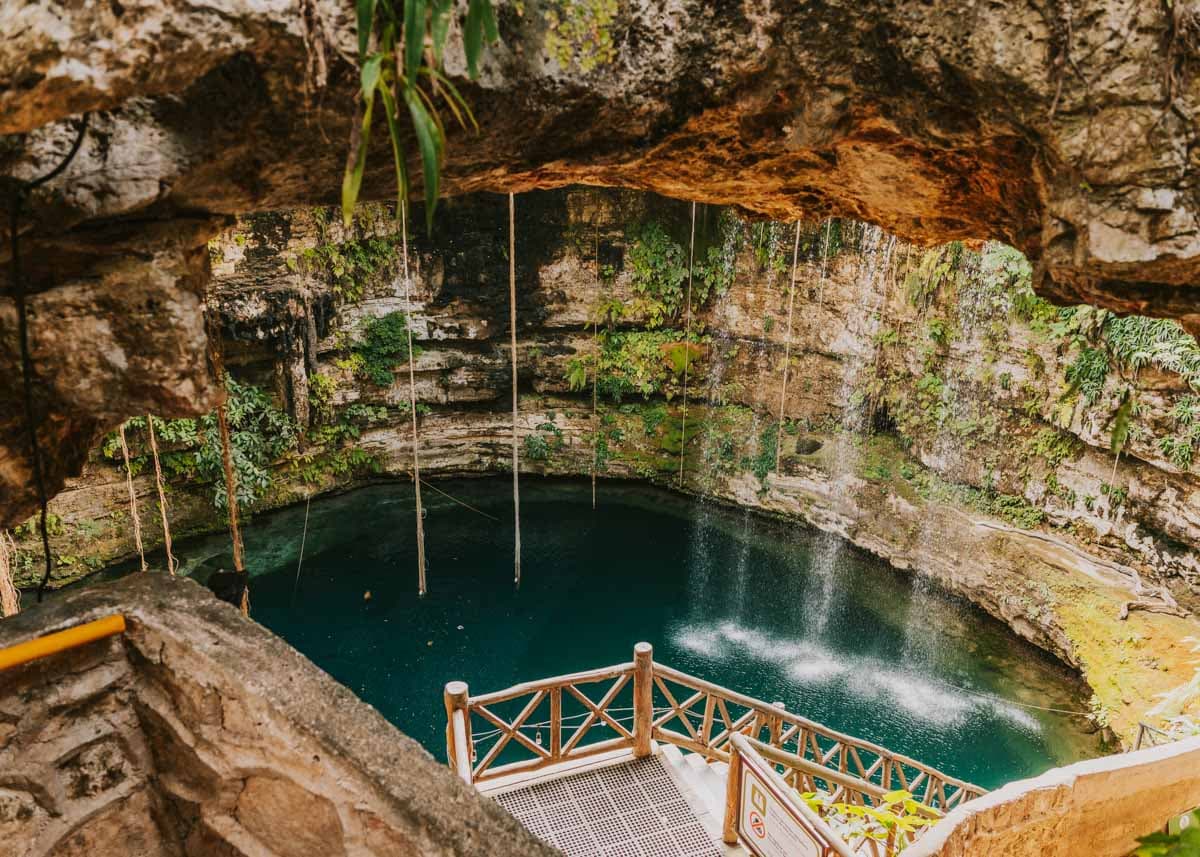
Cenote Saamal is often visited as part of organized day trips that include Valladolid or Chichén Itzá. It has a dramatic open drop, a waterfall-like feature, and facilities that make it simple for groups.
This is a good option if you are on a tour or want something easy to combine with other major stops. It is less ideal if you are trying to avoid crowds.
 Cenote Saamal

Cenote Chukum-Ha
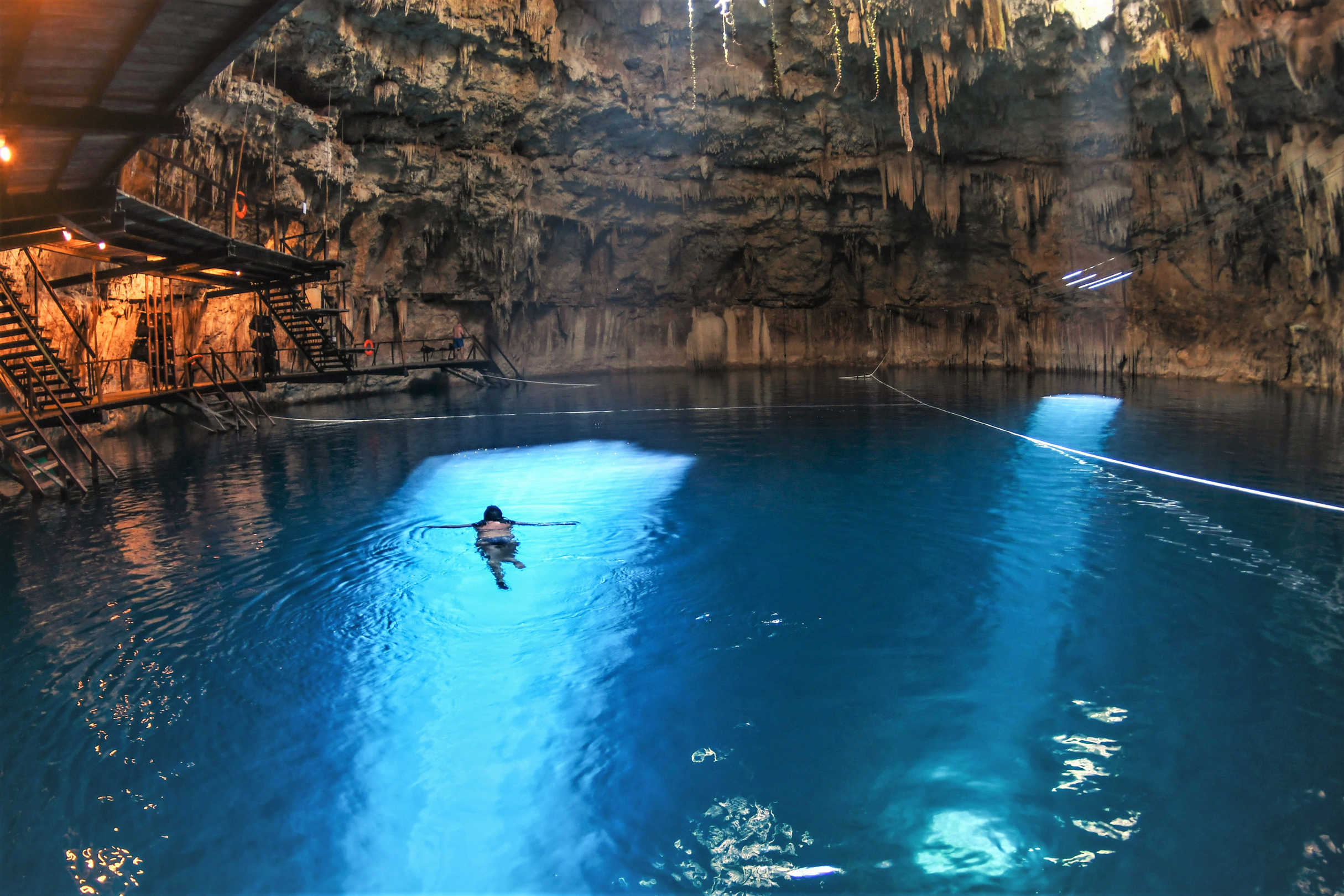
Chukum-Ha is a more developed adventure-style cenote near Valladolid. It is a cave-type cenote with activities such as zip-line and rappel access inside the vault, plus restaurant service.
This is a good fit for families with older children, groups, and travelers who want a more structured activity. It is not the quietest cenote, but it is easier to manage than a remote cave swim.
 Cenote Chukum-Ha
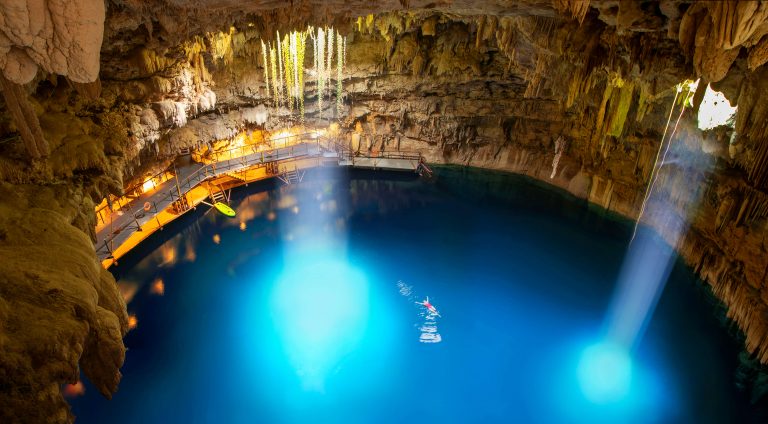
Cenote Sac Aua
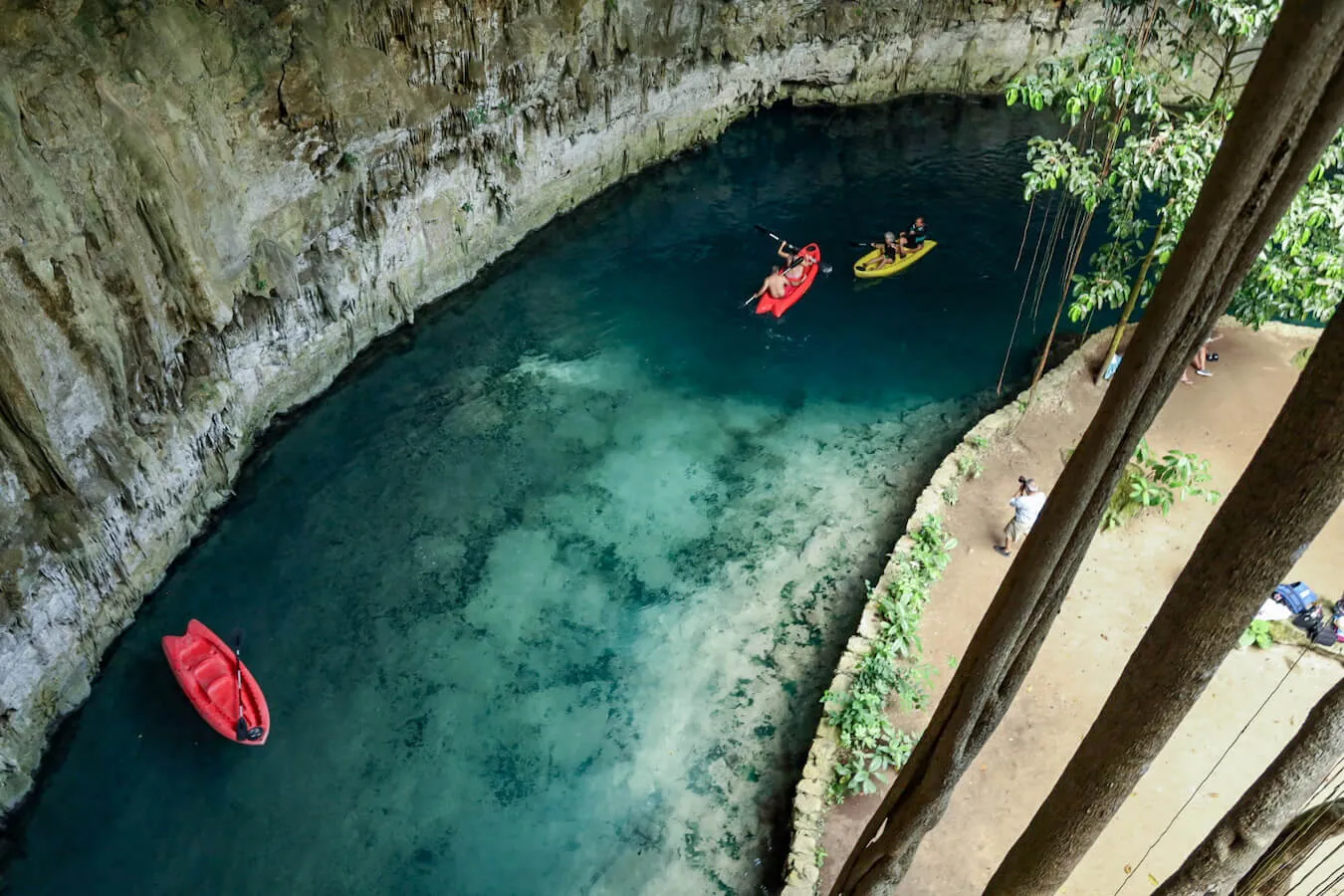
Sac Aua is different because of the island-like formation in the middle of the cenote. It is a good choice for travelers who want a less standard Valladolid-area cenote and do not mind going a little farther out.
This works best with a rental car or private driver. It is a nice addition if you have already seen the more common cenotes near town and want something with a different shape and mood.
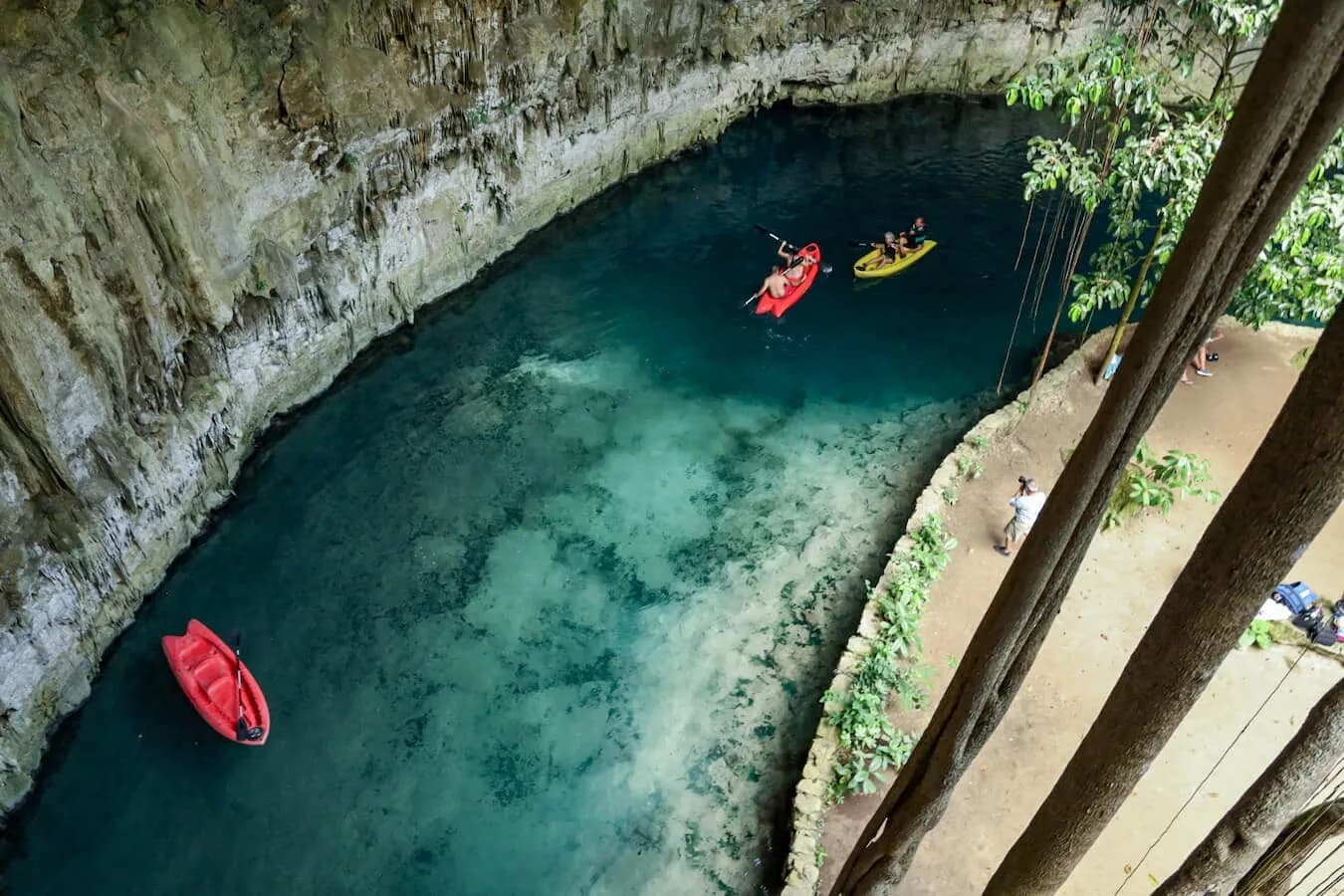 Sac Aua cenote jump
Best cenotes near Chichén Itzá
A cenote after Chichén Itzá can be a very good idea. The ruins are hot, open, and busy, especially around midday. A swim afterward helps reset the day.
The mistake is trying to do too much. Chichén Itzá, a cenote, Valladolid, lunch, and a long drive can be a lot, especially with children. Choose one cenote and one town stop, or use a private driver so the timing is easier.
Cenote Ik Kil
Ik Kil is one of the most famous cenotes near Chichén Itzá. It is dramatic, deep, open, and very popular.
It is convenient if you want the classic Chichén Itzá plus cenote combination. It is not the best choice if you want quiet. Expect groups, timed visits, and a more commercial feel.
Go early or later in the afternoon if possible. If you are visiting Chichén Itzá first, accept that Ik Kil may already be busy by the time you arrive.
 Cenote Ik Kil in Yucatán

Cenote Tsukán
Tsukán is a more organized cultural and cenote experience near Chichén Itzá. It can work well for travelers who want a cleaner, more curated visit rather than a quick roadside swim.
This is useful for families, private tours, and travelers who prefer easy facilities. It may not suit travelers looking for a small local cenote with minimal development.
 Cenote Tsukán

Cenote Yokdzonot
Yokdzonot is a community-run cenote often used as an alternative to the busiest Chichén Itzá area swims. It is a good option if you want a quieter stop and are willing to drive a little farther.
It works well with a rental car, private driver, or custom itinerary. It is less convenient for travelers relying on standard group tours.
 Cenote Yokdzonot

Best cenotes for families
For families, the best cenote is not always the most beautiful one. It is the one with safe access, visible stairs, life jackets, shade, toilets, changing rooms, and food nearby.
Good family-friendly choices often include:
- Santa Bárbara
- Chukum-Ha
- San Ignacio
- Oxmán
- Saamal
- Mucuyché
Before you go, check whether life jackets are required or included. Some cenotes have deep water immediately after the stairs. Even strong swimmers can get tired because cenote water is cool and there may be no shallow standing area.
For young children, choose one cenote and keep the day simple. Add lunch and a short town stop rather than forcing three swims into one itinerary.
Best cenotes for quiet swimming
Quiet cenotes usually require one of three things: going early, going farther, or choosing a less famous place.
Homún and Cuzamá have many quieter options, especially away from the larger complexes. Valladolid also has quieter cenotes if you avoid the main photo stops and visit early or during slower weekday hours.
A quiet cenote is not always easier. Facilities may be basic, stairs may be steep, and staff may speak mostly Spanish. Bring cash, a towel, drinking water, and patience.
If silence and calm matter more than facilities, use a private driver or local guide who knows which cenotes are open and not too busy that day.
Best cenotes for photography
For photography, choose cenotes with clear light, dramatic openings, roots, platforms, or cave formations.
Good photography-oriented choices include:
- Suytun for the platform and light beam
- Ik Kil for scale and hanging vines
- Oxmán for open-cenote atmosphere
- Sac Aua for its unusual central island
- selected Homún cave cenotes for underground light
For better photos, arrive early and avoid weekends. Bring a waterproof pouch, but do not bring drones unless the site clearly allows them. Many cenotes restrict professional equipment, tripods, drones, or commercial shoots.
Best cenotes for a Mérida day trip
A simple Mérida cenote day should not feel like a race.
A good route might be:
Mérida → Homún → two cenotes → lunch in Homún or nearby → return to Mérida
Or:
Mérida → Mucuyché → hacienda visit and swim → relaxed return
Or:
Mérida → San Ignacio → lunch → back to the city for evening plans
If you have a rental car, leave in the morning and avoid driving rural roads late at night. If you do not have a car, a private driver can be worth it because cenote days involve scattered stops, wet clothes, cash payments, and uncertain transport connections.
For quick questions, the free WhatsApp assistant can help you narrow down the right cenote area based on where you are staying and how much time you have.
Best cenotes for a Valladolid day trip
If you are staying in Valladolid, keep the plan light. The town is pleasant, and one of the advantages of sleeping there is not needing to rush.
A good Valladolid cenote day might be:
Valladolid → Oxmán → lunch in town → Suytun or a second cenote → evening walk
Or:
Valladolid → Ek Balam → cenote swim → Valladolid lunch
Or:
Valladolid → Chukum-Ha → relaxed afternoon in town
If you are only passing through Valladolid between Mérida and Cancún, choose one cenote. Add a short stop in the center if timing allows.
What to bring to a cenote
Bring a towel, swimsuit, dry clothes, sandals or water shoes, cash, and a reusable water bottle. A waterproof phone pouch is useful, but do not rely on it completely.
Many cenotes ask visitors to shower before entering. Avoid sunscreen, body oils, perfume, and heavy lotions before swimming. Cenotes are connected to fragile groundwater systems, and the water is part of local community life, not just a tourist attraction.
Leave valuables at your hotel or locked out of sight. Facilities vary. Some cenotes have lockers, but many do not.
What to avoid
Do not try to visit too many cenotes in one day. After the second swim, most travelers are ready for lunch, dry clothes, and shade.
Do not assume every cenote is good for small children. Some have steep stairs, slippery rock, deep water, or limited railings.
Do not arrive late in the day without checking return transport. Rural colectivo and taxi options can be limited.
Do not expect card payments everywhere. Cash is still important.
Do not jump unless jumping is clearly allowed and you can see where you are landing. Cenote depth can vary by area, and rocks may not be visible from above.
Do you need a car?
A car is not always required, but it makes cenote planning much easier.
You should consider a rental car if you want to visit multiple cenotes, avoid group-tour timing, or combine cenotes with ruins and small towns.
You should consider a private driver if you want flexibility without driving, are traveling with children or older relatives, or want someone to help with timing and local logistics.
You can use public transport for some routes, especially between major towns, but the last stretch to a cenote can be the difficult part. Moto-taxis, local taxis, and walking may be possible in some places, but they are not always reliable late in the day.
For the next step, browse Tours & Experiences or continue with the relevant destination guide.
Can you visit cenotes without a tour?
Yes, many cenotes can be visited independently. This works best if you have a car, speak some basic Spanish, and are comfortable with rural roads.
A tour is better if you want transportation included, are short on time, do not want to plan the route, or want to combine cenotes with Chichén Itzá, Uxmal, Ek Balam, Izamal, or Valladolid.
A private custom route is usually better than a large group tour for families, photographers, and travelers who want a slower day.
Suggested cenote routes
Easy cenote day from Mérida
Start in Mérida after breakfast. Drive or take a private driver to Homún. Visit one organized cenote complex and one smaller cenote. Have lunch nearby. Return to Mérida before evening.
This is the best general plan for first-time visitors staying in Mérida.
Cenote and hacienda day
Choose Mucuyché or another hacienda-style cenote experience. Keep the day simple and enjoy the setting rather than adding too many stops.
This works well for couples, families, and travelers who want comfort and history together.
Chichén Itzá and cenote day
Leave early. Visit Chichén Itzá first. Swim afterward at Ik Kil, Tsukán, Yokdzonot, or a Valladolid-area cenote. Have lunch and return.
This is a long but useful day. It is easier with a driver or organized tour.
Valladolid slow cenote day
Sleep in Valladolid. Visit Oxmán or Suytun early. Return to town for lunch. Add a second cenote only if you still have energy.
This is better than rushing Valladolid as a stop between two long drives.
Homún deep-dive day
Use a local guide, rental car, or private driver to visit two or three cenotes around Homún. Mix one open or semi-open cenote with one cave cenote.
This is good for travelers who want variety and do not mind a rustic day.
When to visit cenotes
Cenotes can be visited year-round. The best time of day is usually morning, especially in hot months. Midday can still be pleasant in the water, but entrances, parking areas, and ruins nearby can be very hot.
Weekdays are generally calmer than weekends. Mexican holiday periods, Semana Santa, Christmas, New Year, and summer vacation can be busier.
Rain can change the feel of the day. Some cenotes remain swimmable in light rain, but storms can affect roads, visibility, and safety. If lightning or heavy rain is nearby, wait.
Are cenotes worth it?
Yes, cenotes are worth visiting if you choose the right one for your route and travel style.
They are especially worthwhile if you are staying in Mérida or Valladolid and want a cool-water break from city walks, ruins, and hot roads. They are less worthwhile if you are trying to squeeze one into an already packed transfer day with luggage, children, and a tight schedule.
A good cenote visit should feel simple: arrive, change, swim, rest, and continue. If the route requires too many detours, choose a different cenote.
Final advice
Pick the cenote that fits your day, not the one with the most photos online.
For Mérida, Homún is the most useful all-around cenote area. For Valladolid, Oxmán, Suytun, Xkeken, Samulá, Saamal, and Chukum-Ha all work depending on your style. For Chichén Itzá, choose one convenient swim and keep the day realistic.
Go early if you want cooler weather and fewer crowds. Bring cash. Respect the water. Do not overpack the route.
For the next step, use the Plan hub to compare itineraries, transport and practical resources already available.
