Yucatán state is one of the easier parts of Mexico to travel around, but it still rewards good planning.
Mérida, Valladolid, Progreso, Izamal, Chichén Itzá, Uxmal, Homún, Celestún, Sisal, and the Ruta Puuc all sit within a region that is flat, warm, and mostly well connected. The challenge is not whether you can get around. The challenge is choosing the right kind of transport for the day you actually want.
A bus can be perfect for Mérida to Valladolid. It can be slow and awkward for cenote-hopping. A rental car gives freedom, but may be unnecessary if you are staying in central Mérida for three nights. A private driver costs more, but can turn a hot, complicated day into a calm one. Tren Maya is useful for some routes, but many stations still need a taxi, shuttle, or local connection at the end.
This guide focuses on Yucatán state in particular. It does not try to cover the whole Riviera Maya or the full peninsula. The goal is simpler: help you decide how to move around Mérida, Valladolid, the Gulf Coast, cenote towns, archaeological sites, pueblos, haciendas, and rural routes without wasting time or energy.
Quick answer
For most travelers in Yucatán state, the best transport plan is a mix.
Use Mérida or Valladolid as a base. Walk and use taxis or rideshare inside town. Use ADO or first-class buses for easy city-to-city routes. Rent a car, hire a private driver, or book a tour for cenotes, ruins, haciendas, beaches, and rural day trips.
| Your plan | Best option | Why |
|---|---|---|
| Mérida city stay | Walk, taxi, rideshare, Va y Ven | A car is usually unnecessary in Centro |
| Mérida airport to Centro | Taxi, transfer, rideshare, airport bus where practical | Door-to-door is easiest with luggage |
| Mérida to Progreso | AutoProgreso bus, car, taxi, driver | One of the easiest beach routes |
| Mérida to Sisal | Car or driver | Public transport is less convenient |
| Mérida to Celestún | Car, driver, or tour | Better for boat trips and flexible timing |
| Mérida to Uxmal | Car, driver, or tour | Public transport is limited for most visitors |
| Mérida to Homún cenotes | Car, driver, or tour | Cenotes are spread out |
| Mérida to Izamal | Bus, car, driver, tour, or Tren Maya | Good day trip with several options |
| Mérida to Valladolid | ADO, Oriente, Tren Maya, car, driver | Simple intercity route |
| Valladolid to Chichén Itzá | Taxi, bus, car, driver, tour, or train connection | Go early if possible |
| Valladolid cenote day | Car, taxi by the hour, driver, or tour | Easier than trying to link cenotes by bus |
| Ruta Puuc | Car, driver, or private tour | Best with your own timing |
| Family trip | Driver, transfer, or rental car | Less waiting in heat |
| Budget trip | ADO, Oriente, local buses, colectivos | Cheap, but slower |
| Premium trip | Private driver, guide, concierge planning | Better for timing and comfort |
If you only remember one thing: buses are good for moving between towns. Cars, drivers, and tours are better for exploring around them.
 Road map of Yucatán

Need transport? Book a transfer on WhatsApp.
How Yucatán state is laid out
Yucatán state is easier to understand if you think in hubs.
Mérida is the main hub. It works well for Uxmal, Progreso, Sisal, Celestún, Izamal, Homún, Cuzamá, Mayapán, haciendas, Dzibilchaltún, and the Ruta Puuc.
Valladolid is the eastern hub. It works well for Chichén Itzá, Ek Balam, nearby cenotes, small villages, and onward connections to Cancún or the Riviera Maya.
Progreso is the simplest beach escape from Mérida. Nearby beach towns like Chicxulub, Chelem, Chuburná, Telchac Puerto, and San Crisanto are more spread out and usually easier with a car.
Izamal sits between Mérida and Valladolid. It can be a day trip, a stop between cities, or part of a slower pueblo route.
Uxmal and the Ruta Puuc sit south of Mérida. This area is excellent by car or driver and awkward by public transport.
Celestún sits west of Mérida on the Gulf Coast. It is a nature and beach day that works best with a car, driver, or tour.
Tizimín and Río Lagartos are in the northeast. They can be reached by bus, but nature days and Las Coloradas routes are easier with a car, driver, or tour.
Yucatán is not mountainous. Roads are usually straightforward. Still, the heat, topes, rural distances, limited shade, and slow local transport can make a simple-looking route feel longer than expected.
 Plaza Grande in Mérida
The main rule: match the transport to the day
A good Yucatán trip does not require one transport method for everything.
Use the lightest option that fits the day.
For a museum and lunch day in Mérida, walk or use rideshare.
For Mérida to Valladolid, take a bus or train unless you want stops.
For Homún cenotes, use a car, driver, or tour.
For Uxmal and Kabah, do not rely on casual public transport unless you are very patient.
For Progreso, the bus is easy.
For Sisal or San Crisanto, a car is calmer.
For Chichén Itzá, transport is easy from Valladolid but timing matters.
The mistake is trying to make public transport do a rental car’s job, or renting a car for days when it will sit parked.
Getting around Mérida
Mérida is the transport heart of Yucatán state.
Most travelers spend at least part of their trip here. It has the airport, long-distance buses, local bus routes, taxis, rideshare apps, private drivers, tours, rental cars, and connections to beaches, ruins, cenotes, pueblos, and Tren Maya.
For a short city stay, you do not need a car. For day trips, a car or driver becomes useful.
GuideHow to Get Around Mérida in 2026: Airport, Buses, Taxis, Cars & Day TripsThe article explains how to move around Mérida, Yucatán, whether staying in the historic centre or making day trips to sites such as cenotes, ruins, beaches or other towns. From the airport (MID) to the city centre the options are an official airport taxi (ticket bought at the counter, set fare by zone, more expensive than city rides), the budget Va y Ven/IE‑TRAM bus (light luggage, nearby stop, walking or short taxi needed), Uber, DiDi or other rides‑share apps (subject to airport pickup rules), or a pre‑booked private transfer (higher price but convenient for families, large luggage or late arrivals). The ride to Centro normally takes 15–25 minutes in normal traffic. Within Mérida the cheapest city travel is the Va y Ven bus network, which uses newer vehicles, electronic payment and clear route names; it requires checking maps and speaking some Spanish. Taxis are plentiful, often run on agreed fares, so confirm the price before boarding. Uber, DiDi and inDrive work well for cross‑town trips, especially in heat or at night, but rideshare is not suitable for rural destinations. Walking is practical in the compact Centro historic area, though midday heat and narrow, one‑way streets can be challenging. For longer trips, ADO long‑distance buses connect Mérida to Cancún, Valladolid, Campeche and other major points, while the Tren Maya serves a few routes such as Mérida‑Valladolid or Mérida‑Cancún when schedules align. Rental cars, private drivers or guided tours become worthwhile for multiple cenotes, the Ruta Puuc, remote beaches or family groups with several day trips, as public buses and trains have limited flexibility for such itineraries.Open
Walking in Mérida
Central Mérida is walkable, especially around Plaza Grande, Santa Lucía, Santa Ana, Santiago, La Ermita, San Sebastián, Mejorada, and Paseo de Montejo.
Walk early or late. The midday heat can be heavy, especially from March through September.
Sidewalks can be uneven. Streets can be narrow. Cross carefully, even on quiet-looking corners.
Walking works well for:
- Plaza Grande
- Museums and churches in Centro
- Cafés and restaurants
- Paseo de Montejo
- Santa Ana and Santa Lucía
- Markets if you are staying nearby
- Evening events in the historic center
Walking is less comfortable for long errands, airport movement, outer neighborhoods, or arriving with luggage.
Taxis and rideshare in Mérida
Taxis, Uber, and DiDi are practical for short rides around Mérida.
Use them for:
- Dinner outside your neighborhood
- Bus station transfers
- Airport transfers if pickup works smoothly
- Hot midday rides
- Trips to malls, clinics, galleries, or outer neighborhoods
- Returning after dark when you do not want to walk
Rideshare is usually easier for visitors because you see the price in the app. Taxis are useful too, especially from stands, hotels, bus stations, and the airport. If there is no meter or app price, agree on the fare before leaving.
For important early airport departures, pre-book a taxi or transfer instead of hoping an app car appears quickly.
Va y Ven buses in Mérida
Va y Ven is Mérida’s modern public bus system.
It is useful for travelers staying several days, visitors on a budget, and people comfortable checking routes. Some routes use newer buses and clearer stops than older local bus systems. Payment and transfer rules can vary by route and card type, so check current details before relying on it for a timed connection.
Va y Ven can work well if:
- You are staying more than a few nights
- You are traveling light
- You have a flexible schedule
- Your accommodation is near a useful route
- You are comfortable using maps and asking locally
- You want to save money on repeated city rides
Va y Ven is less ideal if:
- You have large luggage
- You are arriving tired from a flight
- You are traveling with small children in peak heat
- You need to be somewhere at an exact time
- Your route requires multiple transfers
- You do not want to figure out local stops
For most first-time visitors, Va y Ven is a useful extra, not the backbone of the whole trip.
IE-TRAM and La Plancha
IE-TRAM is part of the Va y Ven system and connects useful points around Mérida, including La Plancha and connections toward Tren Maya stations.
La Plancha has become an important urban reference point, especially for travelers connecting between Centro and transport routes.
The important practical note is this: Mérida’s Tren Maya station is not in the middle of Centro. If you are using the train, you still need to plan the connection between your hotel and the station.
This is where IE-TRAM, taxis, rideshare, or a private transfer may matter.
Do not look only at the train departure time. Look at your hotel-to-station time, waiting time, luggage situation, and arrival-side transport too.
Mérida airport to the city
Mérida International Airport is close to the city compared with many major airports.
The simplest options are:
- Authorized airport taxi
- Private transfer
- Hotel-arranged pickup
- Rideshare where pickup is available and convenient
- Airport bus route where it matches your timing and luggage
For most first arrivals, a taxi or transfer is easiest. You are tired, you may have luggage, and the street grid in Centro can be confusing on the first night.
Budget travelers with light bags can consider the airport bus if the route and schedule fit. Check current fare, stops, and hours before relying on it.
If you are staying in a small Centro hotel, ask the hotel for the best drop-off point. Some streets are narrow, and not every door is easy for vehicles to reach.
Renting a car in Mérida
Mérida is a good place to rent a car for selected days.
You can rent at the airport or in the city. Airport rental is convenient if you are driving out right away. City rental can be better if you only need a car for day trips after a few nights in Centro.
A car is useful from Mérida for:
- Uxmal
- Ruta Puuc
- Homún cenotes
- Cuzamá cenotes
- Mayapán
- Mucuyché
- Yaxcopoil
- Sotuta de Peón
- Celestún
- Sisal
- San Crisanto
- Izamal
- Telchac Puerto
- Multi-stop hacienda days
A car is not useful for:
- Wandering Centro
- Going to dinner if you plan to drink
- Staying somewhere without parking
- A single beach day to Progreso if the bus works
- Travelers nervous about city driving
If you rent a car, choose accommodation with parking or ask exactly where guests park. “Parking nearby” can mean a paid lot several blocks away.
Rental cars in Yucatán state
A rental car gives the most freedom in Yucatán.
It lets you leave early, stop in villages, reach cenotes before crowds, combine ruins with lunch, and avoid waiting outside in heat.
Driving is generally manageable, but it is not the same as driving in a perfectly signed tourist park. Roads pass through towns. Topes can appear suddenly. Rural turns may be poorly marked. At night, animals, bicycles, pedestrians, potholes, and unlit vehicles are harder to see.
GuideBest Haciendas to Visit in Yucatán StateHacienda Sotuta de Peón, located about an hour’s drive north of Mérida, is presented as the best overall first‑time hacienda visit. The half‑day experience includes a guided tour of restored buildings, henequén fields, old machinery, a narrow‑gauge rail‑cart ride and usually a cenote swim. It is most easily reached by rental car, private driver or organized tour; the article advises arriving early for cooler weather and fewer crowds. Visitors should bring swimwear, a towel, sandals, cash and a change of dry clothes, and be prepared for a structured, family‑friendly itinerary rather than a quiet, self‑guided stop. Hacienda Yaxcopoil, on the Mérida‑Uxmal route, functions as a historic museum. A 1–2‑hour visit showcases preserved interiors, machinery and arches, making it attractive to photographers and history enthusiasts. Access is also by rental car or private driver, and the site fits well into a day trip that continues to Uxmal, Kabah or Muna. No swimming or luxury amenities are offered. Hacienda Mucuyché, also reachable by car or driver, combines a half‑day hacienda tour with cenote swimming. Reservations are recommended, especially in peak season, and visitors should bring swimwear, water shoes and possibly a life jacket. The focus is leisure and water activity rather than deep historical interpretation.Open
When a rental car is worth it
A rental car is worth considering if you want to:
- Visit several cenotes in one day
- Explore the Ruta Puuc
- Combine Uxmal with Kabah or a hacienda
- Visit beaches beyond Progreso
- Reach Celestún independently
- Stop in Izamal between Mérida and Valladolid
- Visit Mayapán, Mucuyché, and nearby haciendas
- Explore small towns at your own pace
- Build a multi-day loop through Mérida, Valladolid, and the Gulf Coast
This is easier with a rental car or private driver.
When a rental car is not worth it
A rental car may not be worth it if you are:
- Staying only in Mérida Centro
- Taking only one simple day trip to Progreso
- Moving between Mérida and Valladolid without stops
- Uncomfortable driving in Mexico
- Staying at hotels without parking
- Traveling solo on a tight budget
- Planning a nightlife-focused trip
- Arriving late and leaving early
Many travelers do best by renting a car for two or three key days, not the whole trip.
Driving style and road conditions
Most roads in Yucatán are flat. Main roads between major towns are usually simple. The slow parts are villages, city traffic, topes, parking, and rural side roads.
Expect:
- Topes in and near towns
- Narrow streets in older centers
- One-way streets in Mérida and Valladolid
- Motorbikes and bicycles
- Dogs near village roads
- Slow local traffic
- Occasional police or military checkpoints
- Potholes on smaller roads
- Limited lighting outside towns
- Toll and free-road choices on some routes
Go slower than you think in villages. Topes are not always painted.
Night driving
Avoid rural night driving when possible.
This is not because every road is unsafe. It is because the small hazards become harder to see: topes, animals, people walking, parked vehicles, bicycles, potholes, and missing lane paint.
If you have a long day trip, leave early enough to return before dark.
For late airport arrivals or evening transfers, a professional driver or transfer is calmer.
Rental car insurance
Rental car insurance in Mexico can be confusing.
A low online price may not include the coverage you need. Before booking, check what is included, what is optional, what is required at the counter, and what your credit card actually covers in Mexico.
Ask about:
- Liability coverage
- Collision coverage
- Deductible
- Deposit amount
- Roadside assistance
- Tire and windshield coverage
- Whether the car can cross state lines
- One-way drop-off fees
- Fuel policy
- Late return fees
Take photos and videos before leaving the lot. Include the roof, windshield, tires, rims, mirrors, bumpers, interior, fuel level, and any scratches.
Do the same when returning the car.
Parking
Parking is usually manageable outside city centers. It can be annoying in Mérida Centro and Valladolid Centro.
For Mérida, look for:
- Hotels with private parking
- Paid lots
- Street parking where allowed
- Clear signs about hours and restrictions
Do not leave luggage visible in the car. This matters even for quick lunch stops.
For beaches, cenotes, ruins, and haciendas, carry cash for parking. Some places charge a small fee.
Gas
Most gas stations are full-service. An attendant pumps the gas.
Say the amount clearly. Watch the pump reset to zero. Confirm cash or card before filling.
Carry cash on rural days. Fill up before long routes, especially if going toward Celestún, the Ruta Puuc, San Crisanto, Río Lagartos, or smaller villages.
Tolls and cash
Some routes are faster by toll road. Carry pesos in small bills.
Even when cards work in many places, cash is still important for:
- Tolls
- Parking
- Bathrooms
- Tips
- Cenote entrances
- Small restaurants
- Local guides
- Boat cooperatives
- Village taxis
A good Yucatán driving day starts with fuel, water, small bills, offline maps, and realistic timing.
Private drivers
A private driver is one of the best transport choices in Yucatán state if you want comfort without renting a car.
This is especially useful for families, older travelers, groups, travelers with luggage, wedding guests, and anyone who wants a flexible day without driving.
A driver can turn a complicated route into a simple one.
When a private driver makes sense
Use a private driver for:
- Mérida airport pickup
- Mérida to Uxmal
- Mérida to Chichén Itzá
- Mérida to Homún cenotes
- Mérida to Celestún
- Mérida to Sisal
- Mérida to Izamal and Valladolid
- Valladolid cenote days
- Valladolid to Ek Balam
- Multi-stop hacienda days
- Family day trips
- Routes returning after sunset
- Days with luggage between hotels
A private driver is often more expensive than renting a car, but less stressful.
For groups, the cost can be reasonable when split.
Driver vs guide
A driver is not always a guide.
Some drivers know the region well and can help with timing, restaurants, and small practical details. But if you want historical explanation at Uxmal, Chichén Itzá, Ek Balam, Mayapán, or Dzibilchaltún, book a guide or a guided tour.
A good setup for ruins is often:
- Driver for transport
- Licensed guide at the archaeological site
- Flexible lunch and cenote stop afterward
What to confirm before booking
Before booking, confirm:
- Vehicle size
- Luggage space
- Pickup time
- Pickup location
- Full route
- Total hours included
- Overtime cost
- Waiting time
- Tolls
- Parking
- Entrance fees
- Meals
- Child seats
- Payment method
- Cancellation terms
- Whether the driver speaks English
- Whether the driver is also a licensed guide
For families, ask about shade, bathroom stops, and how flexible the timing can be.
Tours
Tours are not only for people who do not want to plan. In Yucatán, they can be the right tool for certain days.
A tour makes sense when:
- The route is awkward by public transport
- You want a guide
- You want entrance logistics handled
- You are traveling solo
- You do not want to drive
- The day includes boats, ruins, or several stops
- Timing matters
Tours are common from Mérida and Valladolid.
Group tours
Group tours are usually cheaper than private tours. They work well for popular routes like Chichén Itzá, Uxmal, cenotes, Celestún, and Izamal.
The trade-off is timing. Group tours may include hotel pickups, shopping stops, fixed lunch stops, and limited time at each place.
Read the itinerary carefully.
A low-cost tour can be fine, but check whether it includes entrance fees, guide, lunch, boat fees, and pickup.
Private tours
Private tours are better when the day is important, the group has different needs, or the place deserves context.
Consider a private tour for:
- Uxmal and Ruta Puuc
- Chichén Itzá with a good guide
- Celestún wildlife day
- Homún or Cuzamá cenotes
- Food and market tours in Mérida
- Family trips
- Photography days
- Multi-stop heritage routes
- Travelers with limited time
A private tour costs more, but it often uses the day better.
ADO and first-class buses
ADO is the main first-class bus option for many travelers in southeastern Mexico.
In Yucatán state, ADO is most useful for longer, clearer routes between cities and major towns. Think Mérida to Valladolid, Mérida to Cancún, Mérida to Campeche, Valladolid to Cancún, and similar routes.
For a Yucatán-focused trip, ADO is most useful for:
- Arriving from Cancún Airport or Cancún city
- Moving between Mérida and Valladolid
- Continuing from Mérida to Campeche
- Connecting from Valladolid to Cancún or the Riviera Maya
- Moving without a rental car between main towns
ADO is comfortable compared with local buses. It usually has air conditioning, assigned seats on many services, and luggage storage underneath.
When ADO is the right choice
ADO works well if:
- You are traveling between city centers
- You have luggage
- You want predictable comfort
- You are on a budget
- You do not need stops along the way
- Your hotel is near the bus station or you are happy to taxi from it
For example, Mérida to Valladolid by bus is simple. Mérida to Cancún is simple. Valladolid to Cancún is simple.
When ADO is not enough
ADO is less useful for:
- Visiting several cenotes
- Reaching haciendas
- Exploring Ruta Puuc
- Getting to quieter beaches
- Making early ruin arrivals
- Combining multiple rural stops
- Returning from small villages late in the day
The bus gets you to the town. It does not always get you to the experience.
Mérida bus terminals
Mérida has multiple bus terminals and departure points. Do not assume every bus leaves from the same station.
Long-distance services often use the main ADO/CAME area. Other regional or second-class buses may use nearby or separate terminals. Progreso buses use their own terminal. Combis and local vans may leave from informal stands or small terminals around Centro.
Always check the exact terminal name and address on your ticket or with the operator.
Give yourself extra time in Mérida Centro. A station may look close on a map but still require a hot walk, a taxi, or time through traffic.
Second-class buses and regional buses
Second-class and regional buses are important in Yucatán.
They serve towns and routes that may not be covered well by first-class buses. Operators and route names can vary, including Oriente, Mayab, Noreste, TRT, ATS, and others depending on the corridor.
These buses can be useful for:
- Mérida to Izamal
- Mérida to smaller towns
- Valladolid to nearby towns
- Mérida to Celestún
- Mérida to Sisal
- Mérida to Ticul
- Tizimín routes
- Local pueblo travel
- Cheaper travel between larger places
They are usually slower than first-class buses because they may stop often.
When regional buses work well
Regional buses work well if:
- You are on a budget
- You speak some Spanish or are comfortable asking
- You are not in a rush
- You are traveling light
- Your destination is a town center
- You have checked the return schedule
They are less ideal if:
- You are carrying lots of luggage
- You need air-conditioned comfort
- You are visiting a cenote outside town
- You need to return late
- You are trying to fit several stops into one day
The important question is not “Can I get there?” It is “Can I get back easily?”
Colectivos and combis
Colectivos and combis are shared vans or small buses that run set routes.
They are part of everyday local transport in Yucatán, especially between Mérida and nearby towns or between smaller towns.
They can be cheap and useful, but they are less formal than ADO.
When colectivos work well
Use colectivos if:
- You are traveling light
- You know the route
- You are going town-to-town
- You have cash
- You are flexible
- You do not mind waiting until the vehicle fills
They can be useful for some routes toward nearby towns, beach communities, or village connections.
When colectivos do not work well
Avoid colectivos if:
- You have large luggage
- You are traveling with a stroller
- You need comfort
- You need a guaranteed schedule
- You are going to a place outside the town center
- You are arriving after dark
- You are carrying beach gear for several people
For travelers staying only a few days, colectivos can be helpful for simple local movement but are not always worth building a whole day around.
Tren Maya in Yucatán state
Tren Maya gives Yucatán another transport layer.
In Yucatán state, the train is relevant for places such as Mérida Teya, Umán, Maxcanú, Tixkokob, Izamal, Chichén Itzá, and Valladolid. It can also connect Yucatán with Campeche and Quintana Roo.
The train is useful for some travelers, but it is not a replacement for all local transport.
The main practical issue is station location. Some stations are outside the historic center or away from the exact place travelers want to visit. You may still need a taxi, shuttle, bus, rideshare, IE-TRAM connection, driver, or local transfer.
GuideBest Haciendas to Visit in Yucatán StateHacienda Sotuta de Peón, located about an hour’s drive north of Mérida, is presented as the best overall first‑time hacienda visit. The half‑day experience includes a guided tour of restored buildings, henequén fields, old machinery, a narrow‑gauge rail‑cart ride and usually a cenote swim. It is most easily reached by rental car, private driver or organized tour; the article advises arriving early for cooler weather and fewer crowds. Visitors should bring swimwear, a towel, sandals, cash and a change of dry clothes, and be prepared for a structured, family‑friendly itinerary rather than a quiet, self‑guided stop. Hacienda Yaxcopoil, on the Mérida‑Uxmal route, functions as a historic museum. A 1–2‑hour visit showcases preserved interiors, machinery and arches, making it attractive to photographers and history enthusiasts. Access is also by rental car or private driver, and the site fits well into a day trip that continues to Uxmal, Kabah or Muna. No swimming or luxury amenities are offered. Hacienda Mucuyché, also reachable by car or driver, combines a half‑day hacienda tour with cenote swimming. Reservations are recommended, especially in peak season, and visitors should bring swimwear, water shoes and possibly a life jacket. The focus is leisure and water activity rather than deep historical interpretation.OpenWhen Tren Maya makes sense
Tren Maya may make sense if:
- You want to move between served stations
- The schedule fits your day
- You are not carrying too much luggage
- You have planned station transfers
- You are comfortable with a newer transport system
- You want to experience the train as part of the trip
- Your route is Mérida to Valladolid, Mérida to Izamal, or another station-to-station connection
It can be especially useful for travelers who like rail travel and are not rushing.
When Tren Maya may not be easiest
Tren Maya may not be easiest if:
- Your hotel is far from the station
- ADO leaves from a more convenient location
- You need an early-morning ruin arrival
- You are visiting cenotes after arrival
- You are traveling with children and luggage
- You have a tight flight connection
- You need door-to-door simplicity
Always compare the full journey, not just the train ride.
For example, Mérida Centro to Valladolid by bus may be simpler if your hotel is near the bus terminal. Mérida Centro to Tren Maya may require an extra transfer before the journey even starts.
Train plus local transport
The train can be useful when combined with local transport.
For example:
- Train to Valladolid, then taxi to hotel
- Train to Chichén Itzá area, then local transfer to the site
- Train to Izamal, then taxi into town if needed
- Train to Mérida Teya, then IE-TRAM, taxi, rideshare, or transfer into the city
Plan the last mile before booking.
Getting from Mérida airport
Mérida airport is one of the easiest arrival points for a Yucatán-focused trip.
It is close enough to the city that you do not need complicated planning, but you should still know your options.
Best options after landing
For most travelers:
- Taxi or private transfer is easiest.
- Rideshare may be useful depending on current pickup rules and availability.
- Airport bus can work for light-packers if the route and schedule fit.
- Rental car makes sense if you are driving out of Mérida soon.
If you arrive late, book transport in advance.
If you are staying in Centro, have your hotel address ready in Spanish. Include the cross streets if possible. Mérida addresses often use calle numbers and intersections.
Should you rent a car at the airport?
Rent at the airport if:
- You are leaving Mérida the same day
- You are staying outside Centro
- Your hotel has parking
- You are starting a road trip
- You want to drive to Valladolid, Uxmal, or the coast immediately
Do not rent at the airport just to park in Centro for several days.
A better plan may be: taxi to Mérida, enjoy the city, then rent a car later for day trips.
FlightsCompare flights to Mérida or CancúnCheck Mérida vs Cancún before choosing a base.Search flightsGetting around Valladolid
Valladolid is one of the best bases in Yucatán if you want ruins and cenotes without staying in a large city.
The center is walkable. Taxis are easy enough for short trips. A car or driver is useful for cenote days.
Walking in Valladolid
You can walk to:
- Plaza Principal
- Calzada de los Frailes
- Convento de San Bernardino de Siena
- Cenote Zací area
- Restaurants and cafés in Centro
- Small shops and galleries
Walk early or late. The streets are beautiful, but the heat is real.
Taxis in Valladolid
Taxis are useful for:
- Bus station transfers
- Cenotes near town
- Ek Balam
- Chichén Itzá
- Hotels outside the center
- Short evening rides
Agree on the fare before leaving. For multiple stops, ask about hiring the taxi by the hour or for a half day.
Valladolid with a rental car
A rental car is very useful in Valladolid if you want to explore.
Good car-based routes include:
- Cenote Xkeken and Samulá
- Cenote Suytun
- Cenote Oxman
- Cenote Palomitas
- Ek Balam
- Chichén Itzá early
- Temozón
- Uayma
- Small villages and lunch stops
A car also makes it easier to stay outside town in a quiet hotel or hacienda.
Valladolid without a rental car
You can still do Valladolid without a car.
Use:
- Walking in town
- Taxis for nearby cenotes
- Bus, taxi, tour, or driver to Chichén Itzá
- Taxi or tour to Ek Balam
- ADO or regional buses for intercity movement
This works well if you keep the plan simple.
Mérida to Progreso
Progreso is the easiest beach trip from Mérida.
It is close, practical, and well connected. It is not the quietest beach in Yucatán, but it is the simplest.
GuideMérida to Progreso: Private Transfer, Bus, Taxi and Driving GuideHow to travel from Mérida to Progreso by private transfer, Autoprogreso bus, taxi, rideshare or rental car, with realistic travel times and planning advice.Open
Best options
Use:
- AutoProgreso bus
- Rental car
- Taxi
- Private driver
- Tour or cruise-style excursion if relevant
The bus is the best budget option. It runs from Mérida to Progreso through the day and is widely used by locals and visitors.
A car is useful if you want to continue beyond Progreso to Chicxulub, Chelem, Chuburná, or other coast points.
A taxi or driver is easiest for families, groups, or travelers who want door-to-door comfort.
Who Progreso is best for
Progreso is best for:
- First beach day from Mérida
- Travelers without a car
- Families wanting an easy outing
- Seafood lunch
- A simple walk on the malecón
- Cruise port context
- A low-effort Gulf Coast day
It is not the best option if you want an empty, wild beach.
Progreso tips
Go on a weekday if you want a calmer beach.
Weekends and holidays are lively. That can be fun, but it also means more people, more noise, and more pressure on restaurants and parking.
Bring shade or rent it. The sun is strong.
Mérida to Chicxulub, Chelem, and Chuburná
These beach towns sit along the coast near Progreso.
They are calmer than Progreso in some areas, but less convenient without a car.
GuideThe Islands of Chuburná: Clear Water Boat Trips from the Fishing RefugeThe islands of Chuburná are a cluster of shallow sand‑and‑water spots, palapa platforms and mangrove‑side rests just north of Progreso on the Emerald Coast of Yucatán, accessed from the Refugio Pesquero Gilberto (Puerto de Abrigo) in Chuburná Puerto. Basic shared boat tours cost around $250 MXN per person and last 2–3 hours; kayak‑inclusive trips are $250–$350 MXN, while private picnic routes run $3,000–$6,000 MXN for a group and can extend to 5 hours. Prices usually include the boat ride, life jackets and time at one or more stops, but you should confirm whether palapa use, kayaks or food are covered. From Mérida drive north on the Mérida‑Progreso highway, turn toward Chelem and continue west to Chuburná Puerto; the car journey takes about 50–60 minutes. Without a car, take a bus or colectivo to Progreso and then a taxi to the port, arranging the return in advance. Tours typically depart in the morning; arriving by 8:30 am lets you enjoy the clear water before the midday heat. Expect knee‑to‑waist‑deep water, swings, hammocks, simple snacks or ceviche at palapas, and the option to kayak through mangroves. Bring cash, reef‑safe sunscreen, water shoes, a dry bag, and drink water; facilities on the islands are limited, so use restrooms before boarding and pack out trash. The best visiting window is November to April, on weekdays for fewer crowds. Confirm the exact itinerary, price and any extra inclusions with the operator, and be prepared for changes due to tide, wind or crowd levels.Open
Best options
Use:
- Rental car
- Private driver
- Taxi from Progreso
- Local combi or bus connections if you are flexible
For a simple tourist day, a car or driver is easiest.
Who these towns suit
They suit travelers who want:
- A quieter beach base
- A longer stay on the coast
- Vacation rental time
- Local seafood
- A slower rhythm
- Easy access to Progreso but less crowding
They are less ideal for a one-day public transport trip if you do not want to manage local connections.
Mérida to Sisal
Sisal is one of the most attractive beach day trips from Mérida, but it is less simple than Progreso.
It has a calmer feel, a long beach, mangrove access, and a small-town atmosphere.
GuideMérida to Sisal: Bus, Colectivo, Driving and Transport GuideThe most practical guide to getting from Mérida to Sisal — covering direct buses, colectivos via Hunucmá, driving routes, costs, schedules and the trade-offs of each option.Open
Best options
Use:
- Rental car
- Private driver
- Regional bus if the schedule works
- Tour for a structured day
A car or driver is the most practical option for most visitors.
Who Sisal is best for
Sisal is good for:
- A quieter beach day
- Couples
- Families with a car
- Photography
- Slow seafood lunch
- Travelers who do not mind a little extra effort
It is not the best beach if you need frequent services, easy public transport, or a big resort setup.
Sisal tips
Bring cash.
Check weather before going. Gulf Coast wind can change the feel of the day.
If you are driving, plan the return before dark.
Mérida to Celestún
Celestún is a nature and beach destination west of Mérida.
It is known for boat trips through mangroves and seasonal flamingo viewing, but the experience depends on season, water levels, weather, and local conditions.
GuideMérida to Celestún: Bus, Car, Taxi and Transport OptionsA complete guide to getting from Mérida to Celestún by bus, car, taxi or tour — with costs, travel times, departure points and practical tips for a smooth day trip.Open
Best options
Use:
- Rental car
- Private driver
- Group tour
- Private nature tour
- Regional bus only if you are patient
A tour or driver is easiest if you want the boat portion handled smoothly.
Who Celestún is best for
Celestún is best for:
- Nature travelers
- Birdwatching
- Families who like boat trips
- Slow beach lunches
- A full day from Mérida
- Travelers who understand wildlife is seasonal
It is not the best option if you need guaranteed flamingos close to the boat. Nature does not work like a theme park.
Celestún tips
Go early.
Bring sun protection, cash, water, and patience.
Ask about current bird conditions before making flamingos the whole point of the day.
If you are sensitive to motion or sun, choose your boat timing carefully.
Mérida to Uxmal
Uxmal is one of the most important archaeological sites in Yucatán and one of the best day trips from Mérida.
It is much easier by car, driver, or tour than by public transport.
GuideMérida to Uxmal: Bus, Car, Colectivo and How to Get ThereHow to get from Mérida to Uxmal by SUR bus, rental car, colectivo or private driver — with current departure times, terminal locations, costs and honest advice on which option suits your trip.Open
Best options
Use:
- Rental car
- Private driver
- Guided tour
- Private guide-driver
Public transport is possible in some forms, but it is not ideal for most short-stay travelers.
Who Uxmal is best for
Uxmal is best for:
- History travelers
- Architecture lovers
- Photographers
- Families who can handle heat
- Travelers who want a less chaotic ruin experience than Chichén Itzá
- A full or half day from Mérida
Go early if you want cooler weather and fewer people.
What to combine with Uxmal
Good combinations include:
- Kabah
- Chocolate museum
- Hacienda stop
- Santa Elena
- Ticul
- Loltún if open and practical
- Ruta Puuc viewpoints and sites
Do not overpack the day. Uxmal deserves time.
Ruta Puuc
The Ruta Puuc is a southern Yucatán route through Maya sites, small towns, and hilly countryside. It feels different from the flat Mérida coast and the busy Chichén Itzá corridor.
GuideRuta Puuc Guide: Uxmal, Kabah, Sayil, Xlapak and LabnáThe Ruta Puuc is a 60 km archaeological corridor south of Mérida that links the UNESCO‑site Uxmal with the nearby Puuc‑style ruins Kabah, Sayil, Xlapak and Labná, with optional stops at Oxkintok and the Loltún Caves. Most sites open daily from 8:00 to 17:00 with the last entry at 16:00; Uxmal follows the same schedule and adds an evening light show on selected nights. 2025 entry fees are MXN 556 for foreign visitors to Uxmal (Mexican residents MXN 252) and MXN 80 – 75 for the smaller sites; the light show costs roughly MXN 459‑748. Admission is free on Sundays for Mexican residents with ID, and children, students, teachers, seniors and people with disabilities often receive exemptions, though state fees may still apply at Uxmal. Cash in pesos is required, as card acceptance is limited. From Mérida the route is most easily done by self‑drive: take Highway 261 south about one hour to Uxmal, then continue southeast to Kabah (≈22 km), Sayil (9.5 km), Xlapak (5 km) and Labná (3.4 km). Public buses run to Uxmal and a Sunday loop bus visits several sites; organized day tours are also available. A typical one‑day loop takes roughly 2‑3 hours at Uxmal and 45‑90 minutes at each of the other main sites, allowing a full circuit in about six to seven hours. Visitors should expect short drives, light jungle trails, minimal shade and basic facilities at the smaller sites; Uxmal provides restrooms, lockers and vendors. Bring at least 2 L of water per person, a sun hat, sturdy shoes, cash for tickets and snacks, and a biodegradable sunscreen. Start early to avoid the heat, obey climbing restrictions, and be prepared for speed bumps and occasional wildlife on the road. An evening light show at Uxmal is possible if tickets are bought in advance.Open
Best options
Use:
- Rental car
- Private driver
- Private tour
This is one of the clearest cases where independent public transport is not the right tool for most travelers.
Main stops
Depending on current openings and your timing, the route can include:
- Uxmal
- Kabah
- Sayil
- Xlapak
- Labná
- Loltún caves
- Santa Elena
- Ticul
Check current opening status before planning around smaller archaeological sites or caves.
Who Ruta Puuc is best for
Ruta Puuc is best for:
- History travelers
- Architecture-focused travelers
- Repeat visitors
- Slow road trippers
- Travelers with a car
- People who prefer quieter ruins
It is not the best route if you are short on time or uncomfortable with rural driving.
Mérida to Homún cenotes
Homún is one of the most popular cenote areas near Mérida.
There are many cenotes in and around the town, and they vary in style. Some are rustic. Some are more developed. Some require stairs. Some are better for families. Some are better for adventurous swimmers.
GuideMérida to Homún: Bus, Car, Colectivo and How to Get ThereHow to get from Mérida to Homún by bus, colectivo, taxi or car — with costs, departure points, travel times and what to do when you arrive in the cenote capital of Yucatán.Open
Best options
Use:
- Rental car
- Private driver
- Cenote tour
- Local moto-taxi once in Homún
- Taxi by the day
A bus or colectivo may get you to Homún, but it does not make cenote-hopping easy by itself.
How Homún works
Many travelers arrive by car or driver, then visit two or three cenotes.
Another option is to arrive in town and hire a local moto-taxi guide to take you around. This can support local families and simplify navigation, but it is less comfortable for travelers with mobility needs or small children.
Who Homún is best for
Homún is good for:
- Cenote-focused travelers
- Families with confident swimmers
- Adventure travelers
- Budget travelers who are comfortable locally
- Day trips from Mérida
- Travelers who want several cenote choices
It is not ideal if you want polished resort-style facilities at every stop.
Homún tips
Bring cash.
Wear shoes that can get wet.
Do not try to visit too many cenotes. Two or three is enough for most people.
Go early for quieter water.
Ask about stairs before entering if mobility is a concern.
Mérida to Cuzamá cenotes
Cuzamá is another cenote route east of Mérida. It is often paired with Homún in traveler planning, but the logistics and individual cenotes differ.
Best options
Use:
- Rental car
- Private driver
- Tour
- Local transport plus local moto-taxi if you are flexible
A car or driver is easiest.
Who Cuzamá is best for
Cuzamá is good for:
- Travelers who want a more rural cenote day
- People comfortable with rustic access
- Repeat visitors
- Adventure-style swimming days
Check current access details before you go, because local arrangements can change.
Mérida to Mucuyché and hacienda cenotes
Mucuyché and nearby hacienda/cenote routes are among the more structured cenote experiences from Mérida.
They work well for travelers who want a managed visit rather than a rustic search for cenotes.
GuideHacienda Mucuyché Guide: Cenotes, Tickets, Tours and Day Trip TipsA straightforward guide to visiting Hacienda Mucuyché near Mérida, with cenote tour tips, transport notes, prices, timing, restaurant advice and what to combine nearby.Open
Best options
Use:
- Rental car
- Private driver
- Tour
This is a good choice for families, couples, and travelers who prefer reservations and clearer facilities.
What to combine nearby
Possible combinations include:
- Hacienda Yaxcopoil
- Mayapán
- Local lunch
- Short village stops
This works well as a planned day, not a spontaneous public transport experiment.
Mérida to Mayapán
Mayapán is a smaller archaeological site south of Mérida.
It is rewarding for travelers who like history and want a site that is usually less crowded than the big names.
Best options
Use:
- Rental car
- Private driver
- Tour
- Combined route with cenotes or haciendas
Who Mayapán is best for
Mayapán is best for:
- History travelers
- Families who want a shorter ruin visit
- Travelers combining ruins with cenotes
- People who have already seen Chichén Itzá or Uxmal
- Slow day trips from Mérida
It is not the best choice if you only have one ruin day and want a major site. In that case, choose Uxmal or Chichén Itzá.
Mérida to Izamal
Izamal is one of the easiest and most rewarding day trips from Mérida.
It is compact, photogenic, historically layered, and manageable in a half or full day.
GuideMérida to Izamal: Bus, Car, Colectivo and How to Get ThereA practical guide to getting from Mérida to Izamal by second-class bus, colectivo, rental car or Tren Maya — with costs, departure points and first-hand tips for each option.Open
Best options
Use:
- Regional bus
- Rental car
- Private driver
- Tour
- Tren Maya if station timing and local transfer work
Bus can be a good budget option. A car or driver is better if you want to combine Izamal with cenotes, haciendas, or a transfer to Valladolid.
Who Izamal is best for
Izamal is good for:
- Culture travelers
- First-time visitors
- Families
- Photographers
- Slow lunch and walking
- A low-stress day from Mérida
- A stop between Mérida and Valladolid
Izamal tips
Go early or late for better light and less heat.
Wear comfortable shoes. The town is walkable, but the sun is strong.
If visiting as part of a transfer day, do not leave luggage visible in a parked car.
Mérida to Valladolid
Mérida to Valladolid is one of the most useful routes in Yucatán.
Valladolid is worth at least one night if you want to visit Chichén Itzá early, explore cenotes, and feel a smaller inland city.
GuideMérida to Valladolid: Bus, Car, Tren Maya and How to Get ThereHow to get from Mérida to Valladolid by ADO bus, rental car, Tren Maya or colectivo — with current prices, schedules, travel times and practical tips for each option.Open
Best options
Use:
- ADO or first-class bus
- Regional bus
- Tren Maya
- Rental car
- Private driver
Bus is simple. Train can work if the schedule and station transfers fit. A car is best if you want stops.
Best stops between Mérida and Valladolid
With a car or driver, consider:
- Izamal
- Chichén Itzá
- Cenotes near Valladolid
- Small villages
- Lunch in Temozón or Valladolid
- Ek Balam if routing allows
Do not try to do everything on the transfer day. Choose one or two good stops.
Valladolid to Chichén Itzá
Chichén Itzá is easiest from Valladolid.
You can go by bus, taxi, rental car, driver, tour, or train connection. The best option depends on timing.
GuideValladolid to Chichén Itzá: How to Get ThereThe best ways to travel from Valladolid to Chichén Itzá — by colectivo, ADO bus, private taxi, rental car, or Tren Maya — with prices, schedules, and tips for beating the crowds.Open
Best options
Use:
- Taxi or driver for early arrival
- Rental car for flexibility
- Tour if you want a guide and structure
- Bus if you are on a budget
- Train only if station logistics fit your plan
Timing
Go early if you want cooler weather and fewer crowds.
Chichén Itzá gets hot and busy. The experience is better when you are not rushing through the site at midday.
Guide or no guide?
A guide is worth considering at Chichén Itzá.
Without context, it can feel like walking through impressive stone buildings. With a good guide, the site makes much more sense.
If you do not book a tour, you can often hire a guide at the site. Confirm language, price, and duration before starting.
Valladolid to Ek Balam
Ek Balam is close enough to Valladolid to be a natural half-day trip.
GuideValladolid to Ek Balam: How to Get There, Tickets & TipsPractical guide to getting from Valladolid to the Ek Balam ruins by car, colectivo or tour — with entrance fees, opening hours, and tips for combining the visit with Cenote X'Canche.Open
Best options
Use:
- Taxi
- Rental car
- Private driver
- Tour
Public transport is not usually the easiest choice for short-stay visitors.
What to combine
Ek Balam combines well with:
- Cenote Xcanche if accessible
- Temozón lunch
- Valladolid afternoon
- Nearby cenotes
This is a good day for a car or driver.
Valladolid cenote-hopping
Valladolid is one of the best cenote bases in Yucatán.
Some cenotes are close to town. Others require a car, taxi, or tour.
GuideCenote Sac Aua Guide: The Island Cenote Near ValladolidPractical guide to Cenote Sac Aua near Valladolid, including current visitor prices, opening hours, swimming conditions, transport and Ek Balam itinerary advice.Open
Best options
Use:
- Rental car
- Taxi by the hour
- Private driver
- Guided cenote tour
- Bike only for nearby options and confident riders
Do not assume all cenotes near Valladolid are easy by bicycle. Roads can be hot, exposed, and busy in places.
Cenote day tips
Choose two or three cenotes, not six.
Bring cash.
Check whether life jackets are required.
Wear water-friendly shoes.
Do not wear heavy sunscreen into the water. Shower before entering when asked.
Start early.
Mérida to Dzibilchaltún
Dzibilchaltún is one of the closest archaeological sites to Mérida.
It is easier than Uxmal or Chichén Itzá if you want a short ruin visit near the city.
GuideMérida to Dzibilchaltún: How to Get There by Taxi, Bus, Car or TourDzibilchaltún is a Maya archaeological site located about 17–20 km north of Mérida, on the road toward Progreso, and is best suited for a short cultural stop rather than a full‑day excursion. The drive from most central or northern Mérida locations takes 20–35 minutes; visitors usually spend 1.5–2.5 hours at the ruins, preferably in the early morning before the heat builds. A private ride, taxi with a round‑trip agreement, or rental car is recommended for most travelers, while a private van works well for groups of four or more. The cheapest option is the public bus, though it may require transfers, longer travel time and more walking. Prices are not listed in the article; however, when booking any private or shuttle service you should confirm whether the quoted amount includes waiting time (typically two hours), return transport, entrance fees and any extra stops such as Progreso or Chicxulub. A private ride includes pickup at your hotel, Airbnb or other address, direct drop‑off at the site entrance, waiting while you explore, and return transport. A private van offers similar service for larger parties and can accommodate multiple pickups. Taxis or ride‑app cars are viable for couples or solo travelers but require you to negotiate a round‑trip price and carry cash for the return. Rental cars give full flexibility to combine the ruins with coastal visits, while the public bus is best for budget travelers comfortable with Spanish and uncertain schedules. Visitors should arrive early, bring water and cash for entrance fees, and note that Cenote Xlacah and the Museo del Pueblo Maya are currently closed, so a swim should not be planned. If you want historical context, arrange a licensed guide separately, as drivers are not automatically guides. Confirm all details—pickup address, number of passengers, waiting time, continuation to other sites, car seat needs, language support and payment method—before confirming any transport booking.Open
Best options
Use:
- Rental car
- Taxi
- Private driver
- Tour
- Local bus or colectivo if you are comfortable
Who it suits
Dzibilchaltún suits:
- Travelers short on time
- Families wanting a shorter outing
- People interested in nearby ruins
- Visitors combining it with Progreso or northern Mérida
Check current site and cenote access before going, as conditions can change.
Mérida to Ticul and Santa Elena
Ticul and Santa Elena are useful southern Yucatán towns for craft, food, and Ruta Puuc routes.
GuideExploring Uxmal: Ancient Maya CityUxmal is a Puuc‑style Maya archaeological site in the hills southwest of Mérida, Yucatán, best visited as a day trip from the city. The site opens daily from 08:00 to 17:00 with the last entry around 16:00; the combined federal (INAH) and state (CULTUR) ticket costs roughly MXN 500–600 for foreign visitors and must be paid in cash or with an offline card, keeping both receipts. From Mérida the most flexible way to arrive is by car: take highway 261 south toward Muna/Santa Elena and follow the signs to Uxmal, a drive of about 1 hour 15 minutes in light traffic, with a modest parking fee at the entrance. Buses and colectivos also run the route but are slower and less suited to a tight day schedule, while guided tours provide transport, a licensed guide and optional add‑ons such as Kabah or the evening light‑and‑sound show. A typical visit lasts three to four hours, following the suggested circuit of Pyramid of the Magician, Nunnery Quadrangle, Ball Court, Governor’s Palace, House of the Turtles and Dovecote. Climbing is generally prohibited, but the small museum near the gate is included in the ticket price. Visitors should aim to be at the gate at opening to enjoy cooler temperatures and minimal crowds; shade is scarce, so bring a wide‑brimmed hat, high‑SPF sunscreen, at least two liters of water per person and sturdy shoes. Early morning light highlights the Puuc mosaics, while the late‑afternoon sun casts striking shadows on the Dovecote. If attending the night “Ecos de Uxmal” show, bring a light layer, bug spray and a small flashlight. Drones are not allowed and touching carvings is prohibited.OpenBest options
Use:
- Rental car
- Private driver
- Regional bus for town-to-town travel
- Tour if combining with ruins
A bus can work if the town itself is your destination. A car is better for the surrounding route.
Who this area suits
This area suits:
- Repeat visitors
- Craft and culture travelers
- Road trippers
- People visiting Uxmal or Ruta Puuc
- Slow travelers with extra time
It is not the best choice for a rushed first visit unless paired with Uxmal.
Mérida to Tizimín, Río Lagartos, and Las Coloradas
Northeastern Yucatán takes more planning.
Tizimín is a regional hub. Río Lagartos and Las Coloradas are nature and coastal destinations that many travelers visit for boat trips, birdlife, salt flats, and photography.
GuideRio Lagartos & Coloradas: Safari flamingos & crocodiles plusRio Lagartos & Coloradas is a three‑hour eco‑safari in the Yucatán that takes visitors to the pink flamingo and crocodile zones, the lagoons of Las Coloradas, a beach and includes a clay‑exfoliation experience, with an educational component that lets guests interact with local wildlife. The tour is offered by GetYourGuide for $126 USD per person and lasts about three hours; the article does not specify opening hours or how to reach the site, nor does it detail any additional items such as transport or meals that might be included. Participants can expect to see large flocks of pink flamingos, observe crocodiles in their natural habitat, walk along the striking pink lagoons of Las Coloradas, relax on a nearby beach and finish with a clay‑exfoliation treatment. The experience is described as educational, allowing direct interaction with the wildlife. Because the article provides no specific logistical advice, travelers should verify transport arrangements and any timing constraints when booking, and confirm whether the price covers all activities mentioned.Open
Best options
Use:
- Rental car
- Private driver
- Tour
- Regional bus to Tizimín or Río Lagartos if you are flexible
From Mérida, this is a long day. From Valladolid, it is more manageable.
Who this route suits
This route suits:
- Wildlife travelers
- Photographers
- Repeat visitors
- Travelers with a car
- People staying overnight in the northeast
- Slow routes between Valladolid and the coast
It is not the best option if you are short on time or expecting guaranteed perfect pink water. Conditions vary.
Tips
Start early.
Bring cash.
Confirm boat conditions locally.
Do not plan this as an easy add-on after a late breakfast.
Mérida to Chichén Itzá
Chichén Itzá can be visited from Mérida, but Valladolid is the easier base.
From Mérida, it is still manageable as a day trip with the right transport.
GuideMérida to Chichén Itzá GuideHow to get from Mérida to Chichén Itzá by ADO bus, rental car, colectivo or tour — with costs, travel times, ticket info and tips for arriving before the crowds.Open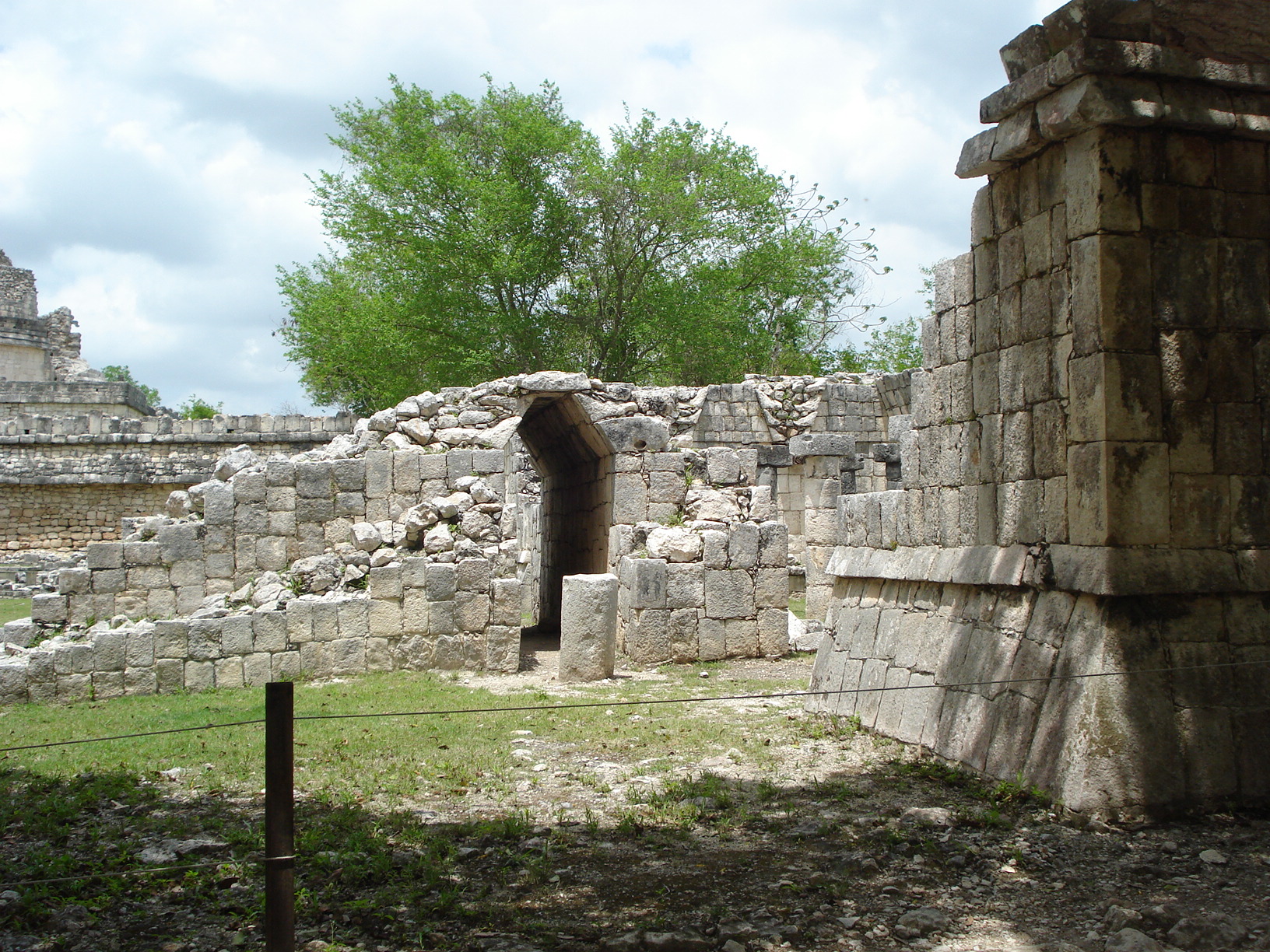
Best options
Use:
- Rental car
- Private driver
- Group tour
- Private guided tour
- Bus if timing works
- Tren Maya if station and schedule logistics fit
Best strategy
Leave early.
Decide whether Chichén Itzá is the whole day or part of a route to Valladolid.
If you are returning to Mérida, consider adding only one extra stop, such as a cenote or lunch. Too many stops make the day tiring.
Getting to Yucatán from Cancún
Even though this guide focuses on Yucatán state, many travelers arrive through Cancún.
From Cancún Airport or Cancún city, the main Yucatán-bound options are:
- ADO bus to Mérida or Valladolid
- Rental car
- Private transfer
- Tren Maya connection
- Domestic flight to Mérida if available and practical
For most budget travelers, ADO is the simplest.
For families or groups, a private transfer can be worth it.
For road trippers, renting a car in Cancún and returning it in Mérida may involve a one-way fee. Check before booking.
If your first real destination is Valladolid, do not automatically go all the way to Mérida. Valladolid makes a good first stop from Cancún.
Best transport by destination
Mérida Centro
Best by walking, taxi, rideshare, and Va y Ven.
Do not rent a car just for Centro.
GuideMérida Centro Visiting Guide: Plaza Grande, Markets, Museums & Walking RouteMérida Centro Histórico is the old grid around Plaza Grande in the heart of Mérida, Yucatán, encompassing the Cathedral, Casa de Montejo, Palacio de Gobierno, markets such as Lucas de Gálvez and San Benito, and the streets of Santa Lucía, Santa Ana, Santiago and La Mejorada. No admission fee is required to walk the area; individual sites may have separate opening hours, so check each building before planning a visit. The guide recommends arriving before 11 am or after the afternoon heat, and suggests a half‑day minimum, a full day for a relaxed itinerary, or two days if museums and food are a priority. Getting there is easiest on foot, by Uber/DiDi, taxi, Va‑y‑Ven bus or private transfer; a rental car is not needed and can be cumbersome in the narrow streets. A typical walking route from Plaza Grande north along Calle 60 to Santa Lucía and Santa Ana takes about two hours at a quick pace, but most visitors spread it over a half‑day with frequent pauses. Visitors can expect a lively mix of locals and tourists, uneven sidewalks, heat, and occasional traffic, balanced by shaded plazas, colonial façades and vibrant market stalls. Practical tips include wearing a hat, comfortable shoes, carrying water and cash, and being patient at crossings. Early mornings are best for markets; afternoons are suited to museums or cafés, and evenings offer pleasant plaza ambience with music and street food.Open
Progreso
Best by AutoProgreso bus, car, taxi, or driver.
The bus is easy and budget-friendly.
GuideProgreso Beach: Mérida Day Trip GuideProgreso beach is a public Gulf‑side shoreline about 36 kilometres north of Mérida, reached by a straight highway or frequent Autoprogreso buses. The public beach has no entry fee and is best enjoyed in a 3–6‑hour window, though a full day is possible if side trips are added. By car the drive from the north side of Mérida takes 35–45 minutes and from the city centre 45–60 minutes; by bus the journey is 45–55 minutes. Parking is available on streets and in paid lots near the waterfront, while the bus terminal sits within walking distance of the Malecón. Facilities include restaurants, cafés, beach clubs, chair and umbrella rentals, restrooms, showers in some Blue‑Flag zones, convenience stores and pharmacies. Small vendors, chair rentals, taxis, tips and boat excursions usually require cash in pesos, although many restaurants accept cards. The Malecón is paved and partly ramped, making it more accessible than many Yucatán beaches. Visitors can expect a broad, sandy beach with shallow, calm water on most days, a lively promenade of eateries and vendors, and the world‑record‑long pier that can be viewed but not walked. Weekday mornings are quieter; Sundays, holidays and cruise‑ship days bring crowds. Bring swimwear, towel, sunscreen, a hat, sandals and a reusable water bottle, and be prepared for cash‑only payments at smaller stalls. For families, the nearby Museo del Meteorito offers a short indoor activity, and boat trips to El Corchito Ecological Reserve or Isla Columpios add mangrove and spring swimming if desired.Open
Sisal
Best by car or driver.
Go for a calmer beach day.
GuideSisal, Yucatán: Beach, Pueblo Mágico & El PalmarSis al is a quiet Pueblo Mágico beach town on the Gulf of Mexico about 53–56 km north of Mérida, known for its red‑and‑white lighthouse, colonial fort, long wooden pier and access to the Reserva Estatal El Palmar wetlands. The public beach and town are free to enter. Tour operators run mangrove, kayak or flamingo excursions from 8:00 AM to 5:00 PM, typically costing $500–$1 250 MXN per person for 2–5 hours, or $4 500 MXN per boat for longer circuits. Palapa or day‑bed rentals start around $200–$250 MXN per day. Cash in Mexican pesos is required, as many small vendors do not accept cards. Facilities include simple seafood restaurants, beach clubs with bathrooms and showers, and a few corner shops; ATMs are limited. The flat town centre and pier are accessible, and mangrove tours use small boats or kayaks with step‑in boarding. A visit of 4–6 hours covers beach time and a short mangrove tour; a full day allows a longer eco‑tour. From Mérida you can take one of two direct buses daily from Terminal Noreste, or travel via Hunucmá and change to a local bus or van; the journey takes about 55–70 minutes. Driving the Mérida‑Hunucmá road and continuing to Sisal is also possible, with free street parking near the pier. Mototaxis are available for short trips within town, and tour operators can arrange departures. Visitors can expect wide pale sand, gentle Gulf swells and a historic pier ideal for sunset photos. In the wetlands, guided boat, chalana or kayak trips reveal herons, egrets, ospreys and, in season, flamingos; night safaris may spot Morelet’s crocodiles. The lighthouse‑topped Fuerte de Santiago and the restored Ex Aduana Marítima cultural centre provide historic context, while casual seafood stalls serve ceviche and fried fish, especially on weekends. Bring cash in small bills, ID, a dry pouch for your phone, sun protection, a lightweight towel, swimwear, sandals or water shoes, and insect repellent (apply after tours). Early mornings give the best wildlife viewing, and flamingo sightings increase in cooler, drier months and spring. Book licensed guides and confirm whether rates are per person or per boat, and whether lifejackets and binoculars are included. Respect beach etiquette by packing out trash, avoiding glass, and protecting dunes, and rinse off sunscreen after mangrove swims. Nearby Hunucmá offers a market and transit hub, while Celestún, 1.5–2 hours farther north, is another flamingo destination for a separate day.Open
Celestún
Best by car, driver, or tour.
Plan around boat conditions and seasonality.
GuideCelestún Beach Guide: Flamingos, Boat Tours & How to Visit from MéridaCelestún is a working fishing town on the far western edge of Yucatán, where a wide Gulf beach meets the Ría Celestún Biosphere Reserve, famous for its flamingo habitat. The destination is about 90–110 km west of Mérida and requires roughly 1.5–2 hours each way by car; a rental car, private driver, organized tour or public bus can be used, with the bus being the cheapest but less flexible. A full‑day visit from Mérida is typical, beginning with a morning boat tour of the mangrove channels and reserve, followed by a long seafood lunch under a palapa and optional beach time. Boat tours are priced per boat rather than per person, include life jackets and usually cover flamingo viewing areas, mangrove passages and occasional stops at freshwater springs; English‑speaking guides are not guaranteed, so confirm in advance. The best flamingo season is November to February, especially December to February, though sightings vary daily. Visitors should expect a wide, soft‑sand beach with calm but sometimes murky water, a relaxed malecón with palapa restaurants, and more locals on weekends and holidays. Bring cash for small vendors, arrive early for cooler weather and better boat‑tour timing, and respect wildlife distance as flamingos are sensitive to close approaches.Open
Izamal
Best by bus, car, driver, tour, or train with transfer.
Good as a day trip or stop between cities.
GuideIzamal: The Yellow City GuideIzamal is a small colonial town painted yellow, located east of Mérida in central Yucatán, about one hour to one hour 15 minutes by road from Mérida Centro and roughly 1½ hours from Valladolid. It is most often visited as a half‑day or full‑day day trip from Mérida, using a rental car, private driver, or the cheapest option—a bus from Mérida’s Noreste/Oriente terminals; a Tren Maya connection exists but the station is not in the main plaza. The essential sights can be covered in 4–6 hours, or a full day if you include a leisurely lunch, extra photography time and a slower pace. Entry to the Convento de San Antonio de Padua is free (donations welcome) and the Kinich Kakmó pyramid can be climbed at no charge; the cost of the visit is therefore limited to transport, meals and any optional guide or carriage hire. Visitors should expect a walkable historic centre with a wide convent atrium, the climb of Kinich Kakmó (uneven stone steps, bring proper shoes and water), and the chance to wander yellow‑washed streets, small markets and craft shops. Early morning (before 10 am) or late afternoon (after 4 pm) offers softer light for photography and cooler temperatures; midday can be very hot and the stone of the pyramid becomes scorching. Dress modestly for the convent, bring a hat for the exposed atrium, and carry cash for meals—restaurants such as Kinich and Zamná serve traditional Yucatecan dishes, while smaller loncherías are cheaper but may not accept cards. Horse‑drawn carriages are available but should be used after checking the animal’s condition. The town’s layered Maya, colonial and modern character makes it a relaxed, family‑friendly alternative to larger archaeological sites.Open
Uxmal
Best by car, driver, or tour.
Go early and consider a guide.
GuideExploring Uxmal: Ancient Maya CityUxmal is a Puuc‑style Maya archaeological site in the hills southwest of Mérida, Yucatán, best visited as a day trip from the city. The site opens daily from 08:00 to 17:00 with the last entry around 16:00; the combined federal (INAH) and state (CULTUR) ticket costs roughly MXN 500–600 for foreign visitors and must be paid in cash or with an offline card, keeping both receipts. From Mérida the most flexible way to arrive is by car: take highway 261 south toward Muna/Santa Elena and follow the signs to Uxmal, a drive of about 1 hour 15 minutes in light traffic, with a modest parking fee at the entrance. Buses and colectivos also run the route but are slower and less suited to a tight day schedule, while guided tours provide transport, a licensed guide and optional add‑ons such as Kabah or the evening light‑and‑sound show. A typical visit lasts three to four hours, following the suggested circuit of Pyramid of the Magician, Nunnery Quadrangle, Ball Court, Governor’s Palace, House of the Turtles and Dovecote. Climbing is generally prohibited, but the small museum near the gate is included in the ticket price. Visitors should aim to be at the gate at opening to enjoy cooler temperatures and minimal crowds; shade is scarce, so bring a wide‑brimmed hat, high‑SPF sunscreen, at least two liters of water per person and sturdy shoes. Early morning light highlights the Puuc mosaics, while the late‑afternoon sun casts striking shadows on the Dovecote. If attending the night “Ecos de Uxmal” show, bring a light layer, bug spray and a small flashlight. Drones are not allowed and touching carvings is prohibited.OpenRuta Puuc
Best by car, driver, or private tour.
Not ideal by public transport.
GuideRuta Puuc Guide: Uxmal, Kabah, Sayil, Xlapak and LabnáThe Ruta Puuc is a 60 km archaeological corridor south of Mérida that links the UNESCO‑site Uxmal with the nearby Puuc‑style ruins Kabah, Sayil, Xlapak and Labná, with optional stops at Oxkintok and the Loltún Caves. Most sites open daily from 8:00 to 17:00 with the last entry at 16:00; Uxmal follows the same schedule and adds an evening light show on selected nights. 2025 entry fees are MXN 556 for foreign visitors to Uxmal (Mexican residents MXN 252) and MXN 80 – 75 for the smaller sites; the light show costs roughly MXN 459‑748. Admission is free on Sundays for Mexican residents with ID, and children, students, teachers, seniors and people with disabilities often receive exemptions, though state fees may still apply at Uxmal. Cash in pesos is required, as card acceptance is limited. From Mérida the route is most easily done by self‑drive: take Highway 261 south about one hour to Uxmal, then continue southeast to Kabah (≈22 km), Sayil (9.5 km), Xlapak (5 km) and Labná (3.4 km). Public buses run to Uxmal and a Sunday loop bus visits several sites; organized day tours are also available. A typical one‑day loop takes roughly 2‑3 hours at Uxmal and 45‑90 minutes at each of the other main sites, allowing a full circuit in about six to seven hours. Visitors should expect short drives, light jungle trails, minimal shade and basic facilities at the smaller sites; Uxmal provides restrooms, lockers and vendors. Bring at least 2 L of water per person, a sun hat, sturdy shoes, cash for tickets and snacks, and a biodegradable sunscreen. Start early to avoid the heat, obey climbing restrictions, and be prepared for speed bumps and occasional wildlife on the road. An evening light show at Uxmal is possible if tickets are bought in advance.OpenHomún
Best by car, driver, tour, or bus plus local moto-taxi if flexible.
Bring cash.
GuideUltimate Guide to Exploring the Cenotes of HomúnThe article is a guide to exploring the underground cenotes of Homún, a small town in the Yucatán Peninsula of Mexico. From Mérida you can reach Homún by taking a colectivo or by renting a bicycle; once there you may hire a local guide, although the guide is optional. Entrance fees are paid in cash at each cenote, and the cost varies by site, but the article does not give exact prices. No specific opening hours are mentioned, so visitors should assume the cenotes are accessible during daylight. A typical visit to a cenote lasts a few hours, depending on the activities chosen, such as swimming, diving or simply admiring the scenery. The guide notes that swimwear, water shoes, biodegradable sunscreen and a waterproof camera are useful items to bring, and that cash is needed for the entrance fees. Visitors can expect an underground, often dimly lit environment that differs from open‑air cenotes. Early morning visits are recommended to avoid crowds, and interacting with locals can provide insight into the history and legends of each site. Some cenotes permit diving, but safety guidelines must be checked in advance; shallow areas are available for non‑swimmers, though life jackets are advisable. The article stresses respecting the ecosystem by not leaving waste, avoiding contact with underwater formations, and using sun protection despite the shade.Open
Cuzamá
Best by car, driver, or tour.
Check local access before going.
GuideCuzamá Cenotes Guide: Horse-Drawn Rail Carts and Three Underground PoolsRide the old henequen railway into the countryside near Cuzamá, where wooden horse-drawn carts lead to cave cenotes. This guide explains the classic three-cenote route, how to visit responsibly, and what to confirm before you go.Open Rental carsPrice out a rental carBest for cenotes, Ruta Puuc, beaches, and multi-stop days.Compare cars
Mayapán
Best by car, driver, or combined tour.
Good with cenotes or haciendas.
GuideMayapán Ruins Guide: Is It Open, How to Visit from Mérida & What to SeeMayapán is a compact Postclassic Maya archaeological zone located a short drive southeast of Mérida, but it is not currently open to normal public visits. The site should be treated as closed, and travelers should not plan a dedicated trip there unless they obtain same‑day confirmation from the Centro INAH Yucatán, a trusted local guide, driver, or Mérida‑based operator that access has resumed. Because the article gives no ticket price, opening hours or official schedule, none of those details can be provided. The only practical guidance is that, if the site does reopen, a visit would typically last about one to one and a half hours and would include seeing the main Temple of Kukulcán, the central plaza, the distinctive round buildings, colonnaded halls, and the surrounding wall. No specific services or amenities are listed as included. Visitors should verify the site’s status on the day of travel and, if it remains closed, redirect the day to confirmed‑open alternatives such as Uxmal, Chichén Itzá, Dzibilchaltún, Acanceh, Tecoh, or nearby cenote trips in Homún or Cuzamá. When using a driver or tour, ask them to confirm access before departure; if self‑driving, do not rely solely on map apps or outdated blogs. Should Mayapán be open, arriving early is advisable to make the most of the brief, quieter experience.Open
Valladolid
Best by ADO, regional bus, Tren Maya, car, or driver.
Stay overnight if possible.
GuideValladolid Travel Guide: What to Do, Where to Stay and How to Plan Your TripValladolid is a small colonial town in eastern Yucatán, roughly halfway between Mérida and Cancún and within an hour’s drive of Chichén Itzá and Ek Balam. The guide suggests staying two nights for most itineraries, with three nights better for families or those who want to visit several cenotes or make day trips to Río Lagartos, Las Coloradas or Cobá. Getting there is easy by rental car, ADO bus, Tren Maya or private driver; the bus station is central, while the train station lies outside the historic centre and requires a taxi or shuttle. Within the town the historic centre, Calzada de los Frailes and the main square are all walkable, but a car, taxi, colectivo, bicycle or scooter is needed for most cenotes and ruins. Typical activities include a morning walk around the main square, visiting Iglesia de San Servacio and the municipal palace, strolling the colourful Calzada de los Frailes, and touring the Convent of San Bernardino de Siena. Cenote Zací, just outside the centre, offers a convenient swim; the local market provides cheap breakfast and snacks. Visitors should plan to start early at ruins and cenotes to avoid the heat, bring cash in small bills, wear grip sandals for cenote water, and respect church dress codes. In the hotter months (April‑May) a hotel with a pool is advisable, and the most comfortable weather is from November to March.Open
Chichén Itzá
Best from Valladolid by taxi, car, driver, bus, tour, or train connection.
Go early.
GuideComplete Guide to Chichén Itzá: Tickets, Hours, Tours, Cenotes & TipsChichén Itzá is the world‑famous Maya archaeological zone located near Pisté in the municipality of Tinum, Yucatán, and is typically accessed from Valladolid, Mérida, Cancún, Playa del Carmen or Tulum. The site is generally open daily from 08:00 to 16:00 with the last entry recorded at 15:00, although visitors should verify the exact hours before travelling. Admission is split between a federal INAH fee of MXN 105 and a state fee of MXN 592 for foreign adults (MXN 697 total) or MXN 205 for Mexican nationals (MXN 310 total); discounts may apply for children, students, seniors or Yucatán residents who present valid ID. Reaching the ruins takes about 40–45 minutes from Valladolid, 1.5–2 hours from Mérida, and 2.5–3 hours from Cancún or Playa del Carmen; travel can be done by rental car, taxi, colectivo or organized tour, with tours often including the entrance fee. A visit usually requires 2.5–4 hours for a quick overview, or 4–5 hours if the on‑site museum and a more relaxed pace are desired. Visitors are advised to arrive at opening to avoid the heat, crowds and vendor pressure that build up later in the morning. Early arrival provides cooler weather, better lighting for photos and shorter queues at El Castillo and the Sacred Cenote. Bring plenty of water, sun protection and cash in pesos; many tours bundle transport, guide services and cenote stops, so check the inclusions carefully. Staying overnight in Valladolid or Pisté makes an early start easier, while a guide is not mandatory but recommended for first‑time visitors who want contextual information.Open
Ek Balam
Best by taxi, car, driver, or tour from Valladolid.
Good half-day route.
GuideEk Balam Guide: Climbing the Acropolis and Swimming Cenote XcanchéA complete guide to visiting Ek Balam in Yucatán: climb the Acropolis for jungle views, see the preserved stucco carvings, and cool off in Cenote Xcanché. Includes entrance fees, transport from Valladolid, and practical tips.Open
Río Lagartos
Best by car, driver, or tour.
Consider staying overnight or starting from Valladolid.
GuideRío Lagartos Travel Guide: Flamingos, Boat Tours, Las Coloradas and Where to StayRío Lagartos is a tranquil fishing town on Yucatán’s north coast that serves as the main gateway to the Ría Lagartos Biosphere Reserve, a UNESCO‑recognized wetland famous for flamingo colonies, mangrove estuaries and crocodiles. There is no entry fee to the town; reserve access is usually included in boat tours, though some operators charge a small conservation fee of about 54 MXN on site. Shared or small‑group wildlife and Las Coloradas boat tours cost roughly $70–$95 USD per person, while private boats are priced per vessel for 2–4 hours. Boat tours run from 6:00 to 17:00 for daytime wildlife viewing, with night mangrove/crocodile tours offered around 19:30–21:30 for 1.5–2 hours. Cash in pesos is essential, as ATMs are unreliable and most businesses prefer cash. From Mérida the drive is 205–230 km and takes about 2.5–3 hours via Tizimín; from Cancún it is 225–255 km, roughly 3–3.5 hours; from Valladolid it is 105 km, about 1.5–2 hours. Buses go to Tizimín, then a local bus or colectivo reaches Río Lagartos. The pink salt ponds of Las Coloradas lie 24 km away, a 20–25 minute drive. A typical day includes a 2–4 hour boat safari through mangrove channels to see flamingos, herons, spoonbills, ospreys and, with luck, crocodiles, often with a beach stop and optional Mayan‑clay mud mask. Night tours let visitors watch crocodile eyeshine and nocturnal birds. Visitors should bring cash, sun protection, insect repellent, binoculars, a dry bag and a dark swimsuit for mud baths. Keep noise low, respect nesting zones, use life jackets, and avoid drones. Mid‑day is best for the pinkest hues at Las Coloradas, while early morning and late afternoon are optimal for wildlife. The dry season (December–April) offers comfortable weather; November nortes can bring wind and rougher water, so book morning departures when possible.Open
Best transport by traveler type
First-time visitors
Use Mérida and Valladolid as bases.
Take buses between cities. Use tours, drivers, or a rental car for the harder days.
This keeps the trip simple.
Families
Use private transfers for arrival and departure.
For day trips, choose a rental car or private driver. It is easier with snacks, towels, extra clothes, naps, and bathroom stops.
Do not overload the day. One ruin plus one cenote is often enough.
Couples
Mix buses, walking, taxis, and selected car rental days.
For example:
- Mérida without a car for two nights
- Rental car for Uxmal and cenotes
- Bus to Valladolid
- Taxi or driver to Chichén Itzá
This gives flexibility without paying for a car every day.
Solo travelers
Use buses between cities and group tours for difficult routes.
This keeps costs low and avoids driving alone.
Spend selectively on a good guide at major ruins.
Budget travelers
Use:
- ADO for long routes
- Regional buses for smaller towns
- AutoProgreso for the beach
- Walking in Mérida and Valladolid
- Colectivos where practical
- Shared tours for remote days
Budget travel works well in Yucatán if you keep plans simple and allow time.
Travelers without Spanish
Use ADO, private drivers, tours, hotel taxis, and rideshare.
You can still use buses and local transport, but allow extra time and keep addresses written clearly.
Older travelers
Use door-to-door transport more often.
Yucatán heat can make transfers tiring. A private driver may be worth it for Uxmal, Celestún, cenotes, and airport days.
Premium travelers
Use private transfers, guide-drivers, curated tours, and a managed itinerary.
This is especially useful for hacienda stays, families, weddings, multi-generation groups, and multi-region routes.
Sample no-car itinerary
This works for travelers who do not want to drive.
Day 1: Arrive in Mérida
Take a taxi or transfer from the airport.
Stay in Centro. Walk for dinner.
Day 2: Mérida
Walk Centro and Paseo de Montejo.
Use rideshare for longer distances.
Day 3: Progreso
Take the AutoProgreso bus to the beach.
Return before evening if you want an easy day.
Day 4: Uxmal tour
Join a group tour or book a private driver and guide.
Return to Mérida.
Day 5: Mérida to Valladolid
Take ADO, regional bus, or Tren Maya if the schedule fits.
Walk Valladolid in the afternoon.
Day 6: Chichén Itzá
Take a taxi, bus, driver, or tour.
Go early.
Day 7: Cenote day
Use a taxi by the hour, private driver, or guided cenote tour.
This itinerary is practical and does not require a rental car.
Sample rental car itinerary
This works for travelers who want flexibility.
Day 1: Mérida
Arrive and stay in Centro without a car.
Day 2: Mérida
Explore the city.
Day 3: Pick up rental car and visit Uxmal
Leave early. Visit Uxmal and maybe Kabah or a hacienda.
Return to Mérida.
Day 4: Homún cenotes
Visit two or three cenotes.
Do not overpack the day.
Day 5: Mérida to Valladolid via Izamal
Stop in Izamal for lunch and walking.
Continue to Valladolid.
Day 6: Chichén Itzá early
Drive to Chichén Itzá early.
Add one cenote or lunch stop.
Day 7: Valladolid cenotes and return
Visit nearby cenotes.
Return the car or continue onward.
This itinerary is more flexible but requires comfort with driving.
Sample family comfort itinerary
This works for families who want fewer logistics.
Day 1: Private airport transfer to Mérida
Keep the first night simple.
Day 2: Mérida walking and short rides
Use taxis or rideshare.
Day 3: Private driver to Uxmal
Leave early. Add lunch and return before everyone is exhausted.
Day 4: Pool, market, light city day
Do not plan a major excursion every day.
Day 5: Private transfer to Valladolid
Stop in Izamal on the way.
Day 6: Chichén Itzá and cenote with guide-driver
Go early. Keep the cenote family-friendly.
Day 7: Transfer onward
Use a private transfer to Mérida airport, Cancún, or another destination.
This costs more but is much easier with children.
Sample budget itinerary
This works for backpackers and slow travelers.
Day 1: Mérida
Arrive by ADO or flight.
Walk Centro.
Day 2: Mérida by bus and walking
Use Va y Ven if route makes sense.
ToursCompare guided Yucatán day tripsUseful when transport plus guide context matters.Browse toursDay 3: Progreso by bus
Use AutoProgreso.
Day 4: Izamal by regional bus
Day trip or overnight.
Day 5: Valladolid by bus
Use ADO or regional bus.
Day 6: Chichén Itzá by bus or colectivo-style local transport
Start early.
Day 7: Cenote by bike, taxi share, or local taxi
Choose a nearby cenote rather than trying to visit many.
This plan is cheaper, but slower. Keep expectations realistic.
Planning transport for cenotes
Cenotes are one of the main reasons to choose your transport carefully.
A map may show many cenotes close together. In real life, they may be down rural roads, require cash entry, have different opening hours, and need local guidance.
GuideBest Cenotes in Yucatán: A Practical Guide for Planning Your SwimThe guide explains how to pick the best cenote for a swim depending on where you stay in Yucatán, how much time you have and whether you travel by car, driver or public transport. From Mérida the quickest option is a day trip to Homún, where several cenotes are clustered together; you can visit a larger complex and a quieter cave‑style spot, or use a local guide or moto‑taxi to move between them. Santa Bárbara in Homún offers an organized site with a single entrance fee, changing rooms, parking and easy access, making it suitable for families and first‑time visitors. Cuzamá provides a more rustic route that works best with a rental car or private driver, while San Ignacio is a nearer, more developed stop for a simple swim and lunch. Hacienda Mucuyché is a polished cenote‑hacienda experience that should be booked in advance, especially in high season. If you stay in Valladolid, the nearby cenotes Oxmán, Suytun, Xkeken, Samulá, Saamal, Chukum‑Ha and Sac Aua each cater to different preferences: Oxmán is a relaxed open‑water swim on a hacienda; Suytun is a photo‑focused spot with a light beam; Xkeken and Samulá are paired cave cenotes for confident swimmers; Saamal and Chukum‑Ha have more facilities and adventure activities such as zip‑line; Sac Aua offers an island‑like formation and is best reached by car. For a post‑ruins dip after Chichén Itzá, Ik Kil, Tsukán, Yokdzonot or a Valladolid‑area cenote are the most convenient. The article advises arriving early for cooler weather and fewer crowds, bringing cash, dry clothes and water shoes, and checking that opening hours, entry fees and life‑jacket rules can change without notice. It notes that a rental car gives the most freedom, a private driver eases navigation of rural roads, and public transport limits the cenotes you can reach.Open
Best cenote transport
For most visitors:
- Car is best for flexibility
- Driver is best for comfort
- Tour is best for structure
- Local taxi is good for nearby cenotes
- Bike is only good for close, safe routes
- Bus alone is rarely enough for several cenotes
How many cenotes in one day?
Two or three is enough.
Cenotes are not just quick photo stops. You need time to enter, change, shower, swim, dry off, and move to the next place.
With children, two may be plenty.
What to carry
Bring:
- Cash
- Towel
- Water
- Wet shoes or sandals
- Dry bag
- Change of clothes
- Biodegradable habits, not just biodegradable labels
- Minimal sunscreen before swimming
- Small bills for tips and parking
Respect local rules. Shower before entering when asked.
Planning transport for ruins
Yucatán’s ruins are best visited early.
Heat rises quickly, and tour groups often arrive later in the morning.
Best ruin transport
For major ruins:
- Chichén Itzá: bus, taxi, car, driver, tour, train connection
- Uxmal: car, driver, or tour
- Ek Balam: taxi, car, driver, or tour
- Mayapán: car, driver, or tour
- Dzibilchaltún: taxi, car, driver, tour, or local transport
Guide or independent?
Use a guide if the history matters to you.
At Uxmal and Chichén Itzá, a guide can change the whole experience.
For smaller sites, independent visits can be enough, especially if you read ahead.
Ruin day timing
Leave early.
Carry water.
Wear a hat.
Do not plan the heaviest walking at noon.
Pair ruins with lunch or a cenote, not five more stops.
Planning transport for beaches
Yucatán’s Gulf beaches are different from the Caribbean.
They are calmer in style, often more local, and more weather-dependent. The water color and beach condition vary with wind, season, and storms.
Easiest beach without a car
Progreso.
Use the bus from Mérida.
Best beach with a car
It depends on your mood.
- Progreso for easy services
- Sisal for a quieter day
- Celestún for nature and beach
- San Crisanto for a more local coastal route
- Telchac Puerto for a slower coast stay
- Chelem and Chuburná for longer rentals or quiet days
Beach transport tips
Bring cash.
Check wind and weather.
Do not expect every beach to have easy shade.
If driving, avoid leaving belongings visible in the car.
Planning transport for pueblos
Yucatán’s pueblos are often reachable by bus, but better by car if you want to combine several.
Good pueblo routes
From Mérida:
- Izamal
- Motul
- Ticul
- Maní
- Santa Elena
- Hunucmá
- Acanceh
- Tecoh
- Sotuta
From Valladolid:
- Temozón
- Uayma
- Ek Balam area
- Tizimín
- Chemax route depending on plans
For one town, bus can work.
For three towns and lunch, use a car or driver.
What to book in advance
Book ahead for:
- Airport transfers
- Private drivers
- Rental cars in high season
- Child seats
- Uxmal tours
- Chichén Itzá tours
- Celestún boat-focused tours
- Popular cenote tours
- ADO tickets on holiday weekends
- Hotels with parking
- Tren Maya tickets if using fixed travel days
You can keep local taxis, simple bus tickets, and casual city rides flexible.
What to check the day before
Before any transport-heavy day, check:
- Departure time
- Return time
- Pickup point
- Exact terminal
- Cash needed
- Weather
- Opening hours
- Road time
- Parking
- Fuel
- Phone battery
- Offline map
- Whether your destination accepts cards
- Whether the last bus back is early
This small check prevents most transport problems.
Common mistakes
Avoid these mistakes:
- Renting a car for Mérida Centro only
- Assuming every cenote is easy by bus
- Planning Uxmal by public transport on a tight schedule
- Forgetting that Tren Maya stations may require transfers
- Trying to visit too many cenotes in one day
- Driving rural roads at night
- Leaving luggage visible in a parked car
- Booking a rental car without understanding insurance
- Assuming Progreso and Sisal are equally easy without a car
- Not checking the return bus
- Taking colectivos with large luggage
- Planning Chichén Itzá for midday
- Treating Celestún flamingos as guaranteed
- Forgetting small cash
- Booking hotels without parking when renting a car
Good transport planning is mostly about avoiding heat, waiting, and rushed decisions.
Best overall strategy
For most Yucatán state trips, this is the calmest transport strategy:
Stay in Mérida without a car for the first city days.
Use taxis, rideshare, walking, and Va y Ven where practical.
Book a driver, tour, or rental car for Uxmal, cenotes, Celestún, Sisal, and haciendas.
Take ADO, regional bus, Tren Maya, or a private transfer to Valladolid.
Use Valladolid as a base for Chichén Itzá, Ek Balam, and cenotes.
Do not try to solve every day with the same transport method.
Getting help with Yucatán transport planning
If you are not sure whether your route needs a car, send your rough plan to the free Yucatán Guide WhatsApp assistant.
For a more detailed check, Human Trip Support can help you see whether your plan is realistic before you book hotels, tours, and rental cars.
If you want a custom route with trusted drivers, tours, transfers, and timing, use the Trip Plan & Booking Portal.
For families, groups, weddings, premium trips, hacienda stays, or multi-day private travel, Managed Private Concierge can handle the moving parts.
Transport is not the showiest part of a Yucatán trip. But it shapes the whole thing. Choose the method that fits the day, leave room for heat and slow roads, and your trip will feel much easier.
GuideBook Transport in Yucatán: Your Guide to Getting AroundLearn how to book and use every major transport option in Yucatán State, from ADO buses and colectivos to private transfers, rental cars, taxis, Uber, and the Tren Maya. Find current prices, booking methods, safety tips, and advice on choosing the right mode for your trip.OpenFAQ
Do I need a car in Yucatán state?
Not for everything. You do not need a car for central Mérida, central Valladolid, Progreso by bus, or simple city-to-city travel. You probably want a car, driver, or tour for cenotes, Uxmal, Ruta Puuc, Celestún, Sisal, haciendas, and multi-stop rural days.
Is Mérida easy without a car?
Yes. Mérida Centro is walkable, and taxis, rideshare, buses, and tours can cover most needs. A car becomes useful for day trips outside the city.
What is the easiest beach from Mérida without a car?
Progreso is the easiest. The bus route is frequent and simple compared with other beach towns.
What is the best way to get from Mérida to Uxmal?
A rental car, private driver, or tour. Public transport is not the best choice for most short-stay travelers.
What is the best way to visit Homún cenotes?
Use a rental car, private driver, or tour. Budget travelers can use local transport to Homún and then hire local moto-taxi help, but this is more rustic and less predictable.
Is Valladolid worth staying in?
Yes, especially if you want Chichén Itzá early, cenotes, Ek Balam, and a smaller-town base. It is one of the most useful transport bases in Yucatán.
Is Chichén Itzá easier from Mérida or Valladolid?
Valladolid is easier. Mérida works too, but it is a longer day.
Is Tren Maya useful in Yucatán?
It can be useful for some station-to-station routes, including connections involving Mérida, Izamal, Chichén Itzá, and Valladolid. Always check station transfers, not just train times.
Is ADO good for Yucatán travel?
ADO is very useful for city-to-city travel. It is not enough for most cenote, hacienda, and rural exploration days.
Can I use local buses to visit small towns?
Yes, if you are flexible and traveling light. Always check the return schedule. For multiple towns in one day, use a car or driver.
Are taxis expensive in Yucatán?
They are usually manageable for short local rides, but prices vary. Agree on the fare before starting if there is no app or meter.
Can I use Uber in Mérida?
Rideshare apps are commonly used in Mérida, but availability and pickup rules can vary. For important airport trips, a booked taxi or transfer may be calmer.
Should I drive at night?
Avoid rural night driving when possible. Main roads may be manageable, but topes, animals, pedestrians, bicycles, and potholes are harder to see.
What should I carry on transport days?
Carry cash in small bills, water, sun protection, offline maps, phone battery, your hotel address, and a light layer for air-conditioned buses. For car days, add license, rental papers, fuel, and parking cash.
What is the cheapest way to get around Yucatán state?
Use ADO and regional buses between towns, AutoProgreso for the beach, local buses or colectivos where practical, and walking inside city centers. Spend selectively on tours or drivers for places that are hard to reach independently.
What is the most comfortable way to get around?
Use private transfers, private drivers, and guided tours for day trips. This is especially helpful for families, older travelers, groups, and short trips where time matters.
 Street view in Valladolid, Yucatán
Need transport? Book a transfer on WhatsApp.