Printable guide
Cenote Yokdzonot Guide: Community-Run Swimming Near Chichén Itzá
Updated
A practical guide to community-run Cenote Yokdzonot near Chichén Itzá, including admission, opening hours, swimming conditions, facilities, transport and sensible day-trip combinations.

Cenote Yokdzonot is a large open-air cenote in a small Yucatecan community approximately 20 minutes west of Chichén Itzá. Its broad pool, vertical limestone walls and long tree roots make it one of the more substantial swimming stops near the archaeological site.
It is also a useful alternative to the busier cenotes commonly included in large Chichén Itzá tours. Yokdzonot has proper swimming access, toilets, changing areas and a community restaurant, but it retains a simpler village atmosphere.
The cenote is managed by the Zaaz Koolen Haá cooperative, an organization formed largely by women from Yokdzonot. Money spent on admission and food therefore stays more directly within the community than it does at many privately operated attractions. (cooxmayab.com)
Visit Yokdzonot if you want a proper swim after Chichén Itzá, prefer a community-run project and have your own transport or a pre-arranged driver.
Skip it if you need shallow water, step-free access, highly polished facilities or a cenote directly served by regular tourist buses.
 Swimmers entering the broad open pool at Cenote Yokdzonot
Cenote Yokdzonot at a glance
| Detail | What to know |
|---|---|
| Location | Yokdzonot village, municipality of Yaxcabá |
| Cenote type | Large open-air cenote |
| Distance from Chichén Itzá | Approximately 15–20 kilometres |
| Driving time from Chichén Itzá | Around 20 minutes |
| Driving time from Valladolid | Around 50–60 minutes |
| Driving time from Mérida | Around 1 hour 45 minutes to 2 hours |
| Current published hours | 9:00 AM–5:00 PM daily |
| Recently reported admission | Around MXN 150 per adult |
| Time needed | Around 1.5–2 hours, or longer with lunch |
| Best for | Swimming, nature, community tourism and quieter Chichén Itzá routes |
| Less suitable for | Very young children, non-swimmers and visitors with limited mobility |
| Easiest transport | Rental car or private driver |
| Food | Community restaurant serving regional dishes |
| Facilities | Toilets, showers, changing areas, life jackets and basic visitor infrastructure |
The cenote’s current social profile lists visiting hours of 9:00 AM to 5:00 PM daily. Recent visitor reports commonly place general admission at approximately MXN 150, but community attractions may adjust prices without updating every listing. Confirm the rate before making a tightly budgeted journey. (instagram.com)
Is Cenote Yokdzonot worth visiting?
Yokdzonot is worth visiting when you want a substantial outdoor cenote without the atmosphere of a large commercial complex.
The water is broad enough for swimming rather than only entering for a quick photograph. Trees and vines grow around the rim, with long roots descending toward the pool. Parts of the water remain shaded while stronger sunlight reaches the centre during the middle of the day.
The visit also supports a locally managed cooperative. The project has created work through admissions, maintenance, food preparation, guiding and other community services. This is one of the clearest reasons to choose Yokdzonot over a more commercial stop.
Choose Yokdzonot if you want:
- A large open pool with room to swim
- A cenote close to Chichén Itzá
- A community-run experience
- A quieter alternative to the busiest tour stops
- Regional food on site
- A straightforward stop for a rental-car itinerary
- A cenote that still feels connected to its village
Consider another cenote if you want:
- Shallow water for small children
- Easy wheelchair access
- Luxury changing facilities
- A cenote within central Valladolid
- Reliable public transport to the entrance
- Elaborate artificial lighting
- A tightly managed resort-style experience
Yokdzonot is not entirely undeveloped. There are constructed stairs, platforms, railings and visitor facilities. It is better understood as a well-established community cenote rather than an untouched swimming hole.
What is Cenote Yokdzonot like?
Yokdzonot is an open cenote with a roughly circular pool surrounded by high limestone walls and dense vegetation.
Regional tourism sources commonly describe the opening as approximately 40 metres across, with a depth in the region of 35–45 metres. Exact underwater measurements should be treated as approximate, but the pool is clearly deep and does not have a conventional shallow shoreline. (cooxmayab.com)
The water can appear turquoise, green or almost black depending on the weather, time of day and viewing angle. Dark-looking water does not necessarily indicate poor clarity. Much of the visual darkness comes from depth, shade and the limestone walls around the pool.
The main characteristics are:
- A wide area of open water
- Steep natural walls
- Hanging roots and vines
- Constructed stairs down to the water
- Wooden swimming platforms
- Deep, cool freshwater
- Shaded vegetation around much of the rim
This is a good cenote for floating and taking a steady swim across the pool. It is less suitable for anyone who becomes anxious when they cannot see the bottom.
 Open water, limestone walls and the swimming platform at Cenote Yokdzonot
The story of the Yokdzonot cooperative
The tourism project at Yokdzonot grew from an initiative led mainly by women from the community.
The cooperative is generally identified as Zaaz Koolen Haá, a Maya name commonly translated as “clear water.” Its members worked to clear the area, improve safe access and create services that could generate local income beyond agriculture.
The cenote opened as an organized visitor attraction during the 2000s. It has since developed into a community tourism project offering swimming, food and, when arranged, additional activities and local experiences.
The cooperative model matters because rural tourism does not automatically benefit the community surrounding an attraction. At Yokdzonot, admission, restaurant spending and booked experiences contribute more directly to local employment and community activity.
Co’ox Mayab, a regional network of community tourism organizations, lists Yokdzonot among its participating destinations and describes the cooperative as being composed primarily of local women. (cooxmayab.com)
Visitors should still approach the place as a functioning business rather than a charitable project. Pay the stated price, follow the rules and allow enough time for meals to be prepared.
Swimming at Cenote Yokdzonot
Yokdzonot is better for swimming than many cenotes visited mainly for photographs.
The pool is wide, and the open roof keeps it from feeling as confined as a fully enclosed cavern. Once in the water, you can float near the entry platform or swim farther toward the hanging roots and shaded sections.
The water is deep throughout much of the accessible area. There is no sandy beach or gradual entry for toddlers.
Before swimming:
- Shower when instructed
- Remove sunscreen, insect repellent and body oil
- Wear the provided life jacket when required
- Check where entry and jumping are permitted
- Keep away from ropes or equipment marked as closed
- Use the stairs or designated platform
- Follow instructions from cooperative staff
Freshwater provides less natural buoyancy than seawater. Even confident ocean swimmers may tire more quickly while floating in a cenote.
Life jackets are normally available and are often required. Confirm whether the jacket is included in the admission price when you arrive.
GuideCenote Hool Kosom Guide: Swimming, Prices and the Homún Cenote RouteA practical guide to Cenote Hool Kosom near Mérida, including swimming, current price guidance, opening hours, transport and nearby Homún cenotes.Open
Can you jump into the cenote?
There have historically been places to enter the water from raised platforms, but visitors should only jump where staff explicitly permit it.
Do not jump from natural rock ledges, railings, trees or closed structures. The pool may be deep, but branches, ropes, platforms and submerged rock can still make an improvised jump dangerous.
Conditions can change because of:
- Water levels
- Maintenance
- Damaged equipment
- Weather
- Staffing
- Current safety rules
Ask before jumping, even when older photographs show other visitors using a particular point.
Zip lining and rappelling
Yokdzonot has been promoted with zip-line and rappelling activities, particularly through organized community-tourism bookings.
However, these activities should not be assumed to operate for every walk-in visitor. A recent independent visitor reported that neither activity was visibly available during their visit, while Co’ox Mayab continues to advertise them as bookable experiences. (cooxmayab.com)
Treat zip lining and rappelling as activities to confirm in advance, not guaranteed parts of standard admission.
This is especially important when:
- The activity is the main reason for your visit
- You are traveling with teenagers expecting adventure activities
- You are bringing a large group
- You need safety equipment in a particular size
- You are visiting late in the day
- You are building the cenote into a fixed tour schedule
For a simple independent visit, plan around swimming and lunch. Consider any additional activity a bonus unless it has been specifically booked.
Facilities
Yokdzonot has more infrastructure than a completely rustic cenote but less than a polished resort complex.
Facilities commonly include:
- Parking
- Admission area
- Toilets
- Showers
- Changing spaces
- Life jackets
- Stairs and railings
- Swimming platforms
- Basic seating
- Community restaurant
- Camping arrangements by reservation
Locker availability has been reported by recent visitors, but it is sensible to confirm when paying. Do not bring passports, expensive jewellery or unnecessary electronics down to the swimming area.
Keep car keys and phones in a secure waterproof pouch or locker. A towel left on a bench is not a safe place for valuables.
The paths and stairs may be damp, uneven or covered with leaves. Wear sandals or water shoes with a proper grip rather than smooth flip-flops.
The community restaurant
The restaurant is one of the practical strengths of Yokdzonot.
It serves regional Yucatecan and Mexican food prepared by members of the cooperative. Depending on the day, dishes may include simple antojitos, empanadas, panuchos, salbutes, poc chuc and aguas frescas.
Do not expect the speed of a large roadside restaurant. Food may be prepared in smaller batches, particularly on quiet weekdays.
Eating here makes sense when:
- You want your spending to remain within the community
- You are visiting after an early Chichén Itzá tour
- You do not want to drive into Pisté for lunch
- Your group wants a slower stop
- You are continuing toward Mérida or Valladolid afterward
Ask what is available before swimming if you intend to eat. Staff may be able to begin preparing your order while you are in the cenote.
Bring cash. A card terminal should never be treated as guaranteed in a rural community, even when one has worked for previous visitors.
Best time to visit
For a quieter swim
Arrive between 9:00 AM and 10:30 AM.
Early visits normally offer cooler air, quieter platforms and fewer groups. The pool may appear darker because less direct sunlight reaches the water.
After Chichén Itzá
Visit between 11:00 AM and 1:30 PM.
This is the most logical timing for travelers who entered Chichén Itzá when it opened. You can tour the ruins before the strongest heat, drive to Yokdzonot and swim around midday.
This period usually produces brighter water and stronger sunlight, but it also has the greatest chance of overlapping with tour groups.
For a later visit
An arrival between 2:30 PM and 3:30 PM can work well on a normal weekday.
Do not arrive shortly before closing. You need time to pay, change, shower, descend, swim, dry off and return to the entrance.
Weekends and holidays
Expect more domestic visitors on:
- Sundays
- Mexican public holidays
- Easter week
- Christmas and New Year
- July and August school holidays
- Long weekends
Yokdzonot generally receives fewer mass-market buses than some cenotes nearer Pisté, but it is no longer unknown. A single group can change the atmosphere quickly.
How long should you spend there?
Allow approximately 1.5 to 2 hours for a comfortable independent visit.
This gives you time to:
- Pay admission
- Change
- Shower
- Walk down to the water
- Swim for 45–60 minutes
- Dry off
- Change again
Allow 2.5 to 3 hours when you are:
- Eating at the restaurant
- Visiting with children
- Traveling as a large group
- Taking photographs
- Booking another community activity
- Moving slowly on the stairs
- Using the visit as a rest after Chichén Itzá
The cenote does not normally require half a day unless you have arranged a workshop, activity or camping experience.
How to get to Cenote Yokdzonot
Cenote Yokdzonot is in the village of Yokdzonot in the municipality of Yaxcabá. It lies west of Chichén Itzá, close to the old free road connecting Mérida and Pisté.
Use the live map pin for Cenote Yokdzonot or the address Calle 20 s/n, Yokdzonot, Yucatán. The Wikimedia location data places the entrance at approximately 20.7072, -88.7311. (commons.wikimedia.org)
Download the map area before leaving Mérida, Valladolid or your hotel. Mobile signal can become less reliable on rural roads.
From Chichén Itzá
Allow approximately 20 minutes by car.
Yokdzonot is one of the most sensible cenotes to combine with Chichén Itzá because it is close enough for a relaxed swim without returning all the way to Valladolid.
A practical order is:
- Enter Chichén Itzá at opening
- Explore the archaeological site for two to three hours
- Drive west to Yokdzonot
- Swim and have lunch
- Continue to Mérida or return east toward Valladolid
Read our Chichén Itzá opening hours and ticket guide before fixing the morning schedule.
GuideBest Chichén Itzá Tours from Cancún: How to Choose the Right Day TripCompare the main Chichén Itzá tour options from Cancún, including group tours, private drivers, direct buses, early arrivals, cenote stops, Valladolid, inclusions, drawbacks, and practical planning advice.Open
From Mérida
Allow around 1 hour 45 minutes to 2 hours by car, depending on your starting point and route.
Yokdzonot is too far from Mérida for most travelers to justify a standalone swim. Combine it with Chichén Itzá or use it as part of a transfer between Mérida and Valladolid.
A sensible Mérida day trip is:
- Leave Mérida around 6:00–6:30 AM
- Reach Chichén Itzá near opening
- Tour the ruins before midday
- Drive to Yokdzonot
- Swim and eat lunch
- Return to Mérida during the afternoon
This is already a full day. Adding Valladolid, Izamal, several cenotes and another archaeological site will make the route rushed.
A private driver can be a good choice for families and groups that do not want to manage the early departure and return drive.
GuideThe Best Yucatán Road Trip Ideas: 4 Incredible Day Routes from MéridaThe article presents four full‑day road‑trip routes that all start and finish in Mérida, each combining Maya ruins, cenotes, beaches, towns or haciendas. The classic route (Uxmal + Ruta Puuc + cenote + hacienda) involves about 3.5 hours of driving between 08:00 and 19:00. Stops are Hacienda Yaxcopoil (09:00‑10:00), Uxmal archaeological zone (10:30‑13:00), a lunch break at The Lodge at Uxmal or The Pickled Onion (13:15‑14:15), an optional visit to Kabah or Labná (14:30‑15:30), and swimming at Cenote Kankirixché (16:00‑17:30) before returning to Mérida (18:30‑19:00). The wildlife‑and‑coast itinerary runs from 08:00 to 18:30 with roughly 2.5 hours of driving. It includes a boat tour of Celestún’s flamingo colonies and mangroves (09:00‑11:00), beach lunch (11:15‑13:00), a short mangrove boardwalk (13:15‑14:00) and an optional cenote stop at Cuzamá, Chaksinkín or San Antonio Mulix (15:00‑17:00). The magical‑towns route (07:00‑21:00, about 4 hours driving) covers a morning walk in Valladolid (09:30‑12:00), a cenote visit at Ik Kil or Saamal (12:00‑13:30), and an afternoon in the Yellow City of Izamal (15:30‑18:00) before heading back. The off‑the‑beaten‑path trip (08:30‑18:30, ~3 hours driving) visits two Tecoh cenotes (09:00‑11:30), the working Hacienda Sotuta de Peón (12:00‑15:00) and the quieter Hacienda San Antonio Millet (15:30‑16:30). All itineraries assume a private or rented car; some cenotes require cash (100‑250 MXN) and rural roads can be rough, so an SUV is advisable. Lunches are at local restaurants, and most stops include self‑guided exploration; the Sotuta de Peón hacienda adds a guided truck ride, fiber‑processing demos and a private cenote swim. Visitors should start early to avoid heat, carry reef‑safe sunscreen, swimwear, water and snacks, and verify opening hours for archaeological sites before departing.Open
From Valladolid
Allow approximately 50–60 minutes by car.
Yokdzonot is not the closest cenote to Valladolid, so it makes most sense when combined with Chichén Itzá or when continuing west toward Mérida.
For a Valladolid-based day:
- Leave early for Chichén Itzá
- Visit the ruins
- Swim at Yokdzonot
- Return to Valladolid for the late afternoon and evening
Read our Valladolid travel guide for help planning an overnight stay.
GuideBest Day Tours from Valladolid: Ruins, Cenotes, Wildlife, and Small TownsCompare the most useful day trips from Valladolid, including Chichén Itzá, Ek Balam, cenotes, Río Lagartos, Las Coloradas, Izamal, and smaller Yucatán towns.Open
From Cancún, Playa del Carmen or Tulum
Yokdzonot can be visited from the Caribbean coast, but the journey creates a long day.
A rental car, organized excursion or private driver is considerably easier than combining public buses and local transport.
Remember that Yucatán and Quintana Roo use different time zones. Chichén Itzá and Yokdzonot are normally one hour behind Cancún, Playa del Carmen and Tulum.
Check which time zone your pickup, archaeological ticket and return arrangement use.
A coast-based excursion makes sense when it includes:
- Hotel transport
- Chichén Itzá
- Cenote admission
- Lunch
- A clear return time
It is less attractive when it includes several hotel pickups, a short swimming slot and additional shopping stops.
Can you visit by public transport?
It may be possible to ask transport using the free Mérida–Pisté road to leave you in Yokdzonot, but this is not the easiest way to visit.
The main difficulty is the return journey. A bus or colectivo may pass the village without a dependable timetable, and seats may already be occupied.
ADO services should not be expected to deliver you directly to the cenote entrance.
Public transport is only a reasonable choice when you:
- Speak enough Spanish to confirm the stop
- Are comfortable waiting
- Have no strict return deadline
- Travel with light luggage
- Visit during daylight
- Have a backup taxi number
A rental car or private driver is much simpler.
Do you need a tour?
You do not need a guide to swim at Cenote Yokdzonot.
Visit independently when you have:
- A rental car
- A planned route
- Enough cash
- A downloaded map
- A flexible schedule
- No need for specialist activities
Choose an organized tour when you:
- Are staying on the Riviera Maya
- Do not want to drive
- Want Chichén Itzá and a cenote in one booking
- Need English-language guiding
- Want lunch and admission arranged
- Want to pre-book rappelling, zip lining or a workshop
A private driver offers more flexibility than a shared bus. It is often the better arrangement for families, older travelers and small groups.
Our getting around Yucatán guide compares rental cars, taxis, tours and private drivers.
Is Cenote Yokdzonot good for families?
Yokdzonot can work for families with older children who are comfortable in deep water and able to follow instructions.
It is less suitable for toddlers and very young children because:
- There is no shallow beach
- The pool is deep
- Access involves stairs
- Platforms can be slippery
- The water may feel cold
- The dark depth can be intimidating
- Close supervision is required
Children should wear life jackets even when they can swim.
Parents should bring:
- Dry clothes
- Towels
- Water shoes
- Drinking water
- Simple snacks
- A bag for wet swimwear
- Any required medication
Do not allow children to run on the stairs or jump from unapproved points.
Families wanting easier infrastructure may prefer a more developed cenote complex. Families who value a quieter community setting may find Yokdzonot a better fit.
Accessibility
Reaching the water requires descending constructed stairs and moving across damp platforms.
Yokdzonot is not a straightforward swimming attraction for visitors who:
- Use a wheelchair
- Cannot manage stairs
- Have limited balance
- Have significant knee or hip problems
- Need a gradual pool entry
- Require accessible changing facilities
Some visitors may still enjoy the surface area or restaurant, but the main cenote experience is below ground level.
Contact the cooperative before traveling with someone who has specific mobility needs. Do not assume that a handrail makes the route fully accessible.
What to bring
Bring:
- Swimsuit
- Towel
- Dry clothes
- Water shoes or sandals with grip
- Mexican pesos
- Refillable water bottle
- Waterproof phone pouch
- Small bag for wet clothes
- Hat for the surface area
- Necessary medication
- Downloaded map
Avoid bringing:
- Expensive jewellery
- Unnecessary documents
- Large bags
- Glass containers
- Speakers
- Single-use plastic where possible
Apply sunscreen and insect repellent after swimming rather than immediately before entering the cenote.
Photography
Yokdzonot is most photogenic from the upper paths and stairs, where the scale of the pool, walls and hanging roots becomes visible.
For better photographs:
- Visit near midday for brighter water
- Visit early for fewer swimmers
- Lower exposure when photographing bright water from shade
- Use a secure wrist strap
- Keep electronics away from wet stair edges
- Do not block the main entry platform
- Avoid climbing roots or natural formations
The water may look darker in person than it does in edited travel photographs. This is normal for a deep cenote surrounded by vegetation.
 Roots and vegetation descending toward the water at Cenote Yokdzonot
What to combine with Cenote Yokdzonot
Chichén Itzá
This is the strongest combination.
Visit the ruins first, then swim during the warmest part of the day. Yokdzonot is close enough to feel like a natural extension of the archaeological visit rather than a separate excursion.
GuideComplete Guide to Chichén Itzá: Tickets, Hours, Tours, Cenotes & TipsChichén Itzá is the world‑famous Maya archaeological zone located near Pisté in the municipality of Tinum, Yucatán, and is typically accessed from Valladolid, Mérida, Cancún, Playa del Carmen or Tulum. The site is generally open daily from 08:00 to 16:00 with the last entry recorded at 15:00, although visitors should verify the exact hours before travelling. Admission is split between a federal INAH fee of MXN 105 and a state fee of MXN 592 for foreign adults (MXN 697 total) or MXN 205 for Mexican nationals (MXN 310 total); discounts may apply for children, students, seniors or Yucatán residents who present valid ID. Reaching the ruins takes about 40–45 minutes from Valladolid, 1.5–2 hours from Mérida, and 2.5–3 hours from Cancún or Playa del Carmen; travel can be done by rental car, taxi, colectivo or organized tour, with tours often including the entrance fee. A visit usually requires 2.5–4 hours for a quick overview, or 4–5 hours if the on‑site museum and a more relaxed pace are desired. Visitors are advised to arrive at opening to avoid the heat, crowds and vendor pressure that build up later in the morning. Early arrival provides cooler weather, better lighting for photos and shorter queues at El Castillo and the Sacred Cenote. Bring plenty of water, sun protection and cash in pesos; many tours bundle transport, guide services and cenote stops, so check the inclusions carefully. Staying overnight in Valladolid or Pisté makes an early start easier, while a guide is not mandatory but recommended for first‑time visitors who want contextual information.OpenValladolid
Continue east to Valladolid after swimming when you are making a one-way route from Mérida.
You can arrive in time for an evening walk, dinner and an overnight stay without trying to force the whole town into a short afternoon stop.
GuideValladolid Travel Guide: What to Do, Where to Stay and How to Plan Your TripValladolid is a small colonial town in eastern Yucatán, roughly halfway between Mérida and Cancún and within an hour’s drive of Chichén Itzá and Ek Balam. The guide suggests staying two nights for most itineraries, with three nights better for families or those who want to visit several cenotes or make day trips to Río Lagartos, Las Coloradas or Cobá. Getting there is easy by rental car, ADO bus, Tren Maya or private driver; the bus station is central, while the train station lies outside the historic centre and requires a taxi or shuttle. Within the town the historic centre, Calzada de los Frailes and the main square are all walkable, but a car, taxi, colectivo, bicycle or scooter is needed for most cenotes and ruins. Typical activities include a morning walk around the main square, visiting Iglesia de San Servacio and the municipal palace, strolling the colourful Calzada de los Frailes, and touring the Convent of San Bernardino de Siena. Cenote Zací, just outside the centre, offers a convenient swim; the local market provides cheap breakfast and snacks. Visitors should plan to start early at ruins and cenotes to avoid the heat, bring cash in small bills, wear grip sandals for cenote water, and respect church dress codes. In the hotter months (April‑May) a hotel with a pool is advisable, and the most comfortable weather is from November to March.Open
Mérida
When returning west, Yokdzonot works as the final substantial stop before the longer drive back to Mérida.
Avoid leaving the cenote so late that most of the return journey takes place after dark.
GuideMérida Travel Guide: What to Do, Where to Stay and How to Plan Your TripMérida is the capital of the Mexican state of Yucatán, located in the northwest part of the peninsula and known as “La Ciudad Blanca” for its bright limestone architecture. The city is served by Mérida International Airport (MID), a 15‑25 minute drive to the historic centre, and by ADO bus terminals that connect to Cancún, Valladolid, Campeche and other destinations; rideshare services such as Uber and inDrive operate throughout town, while a car is only needed for longer day trips to sites like Uxmal or Celestún. The guide suggests an ideal stay of three to five nights in the city, with day trips ranging from 45 to 90 minutes. No specific entry fees are listed, but visitors should budget for accommodation, meals, transport and optional tours. The article notes that tap water is not potable, so purified water should be purchased, and that most restaurants expect a 10‑15 % tip. Travelers can expect a walkable historic centre, Sunday “bici‑ruta” streets closed to cars, lively plazas with marimba music, and a culinary scene that ranges from market breakfasts to fine‑dining in restored mansions. The climate varies: December‑March offers the mildest weather, April‑May is very hot, June‑October brings rain and humidity, and November is a transition period. Recommended packing includes breathable clothing, a wide‑brim hat, reef‑safe sunscreen (to be rinsed before entering cenotes), comfortable walking shoes and insect repellent. Tips include planning activities for early mornings and evenings to avoid midday heat, using shaded arcades in the centre, staying hydrated, and bringing a reusable water bottle with electrolytes. Modest dress is advised for churches and cultural venues, and a small fan or portable cooler can make the hot season more comfortable.Open
Yaxunah
Travelers interested in community tourism may consider combining Yokdzonot with the community and archaeological area around Yaxunah.
This is better suited to travelers with a driver, local guide or a deliberately slow itinerary. Do not add it automatically to an already full Chichén Itzá day.
GuideYaxuná Archaeological Site Near Chichén Itzá: History and Visitor GuideYaxuná (also spelled Yaxunah) is a living Maya community that surrounds a modest archaeological zone about 20–25 km south of Chichén Itzá, near the village of Yaxuná in the Yucatán. The ruins are open during daylight with informal access; there is no official INAH ticket booth and entry is often free or by donation through the community parador. The nearby community‑run Cenote Lol‑Há costs roughly 100 MXN and is open from 9:00 am to 5:00 pm. A typical visit lasts 1.5–3 hours, plus an additional 45–60 minutes if you swim in the cenote. The site is easy‑moderate, with flat terrain, some uneven stones and low steps; basic parking, restrooms and a small shop are available at the parador. Cash in small bills is needed for the cenote fee and any guided tours; the community phone number is +52 985 114 0808 for inquiries. From Pisté (the Chichén Itzá gateway) follow Calle 22 south for about 22 km; from Mérida the route is Hwy 180 east to Pisté and then the same southward road. Without a car, colectivos can take you to Pisté, where a taxi or community‑arranged transport can complete the trip. Visitors walk among early E‑Group plazas, a north acropolis, defensive walls and traces of the 100‑km Cobá sacbé, then can cool off in the cenote. Bring water, sun protection, closed‑toe shoes, light long sleeves, and cash; the area has limited shade and vendors. Respect the community space, avoid climbing fragile structures, and consider pairing the site with a morning visit to Chichén Itzá for a quieter afternoon at Yaxuná.Open
Other cenotes near Chichén Itzá
Yokdzonot is one of several possible swimming stops.
Choose:
- Yokdzonot for community management, open water and a quieter atmosphere
- Ik Kil for highly developed facilities close to Chichén Itzá
- Tsukán for a polished nature and cultural attraction
- Chukum-Ha for cavern swimming and adventure activities
- Oxman for a hacienda setting nearer Valladolid
Our guide to the best cenotes in Yucatán can help you compare the wider options.
GuideCenotes Near Chichén Itzá: Swimming, Access & Practical TipsA practical guide to the best cenotes within reach of Chichén Itzá — from the famous Ik Kil to the cave cenotes of Dzitnup — with driving times, costs, and tips for choosing the right one.Open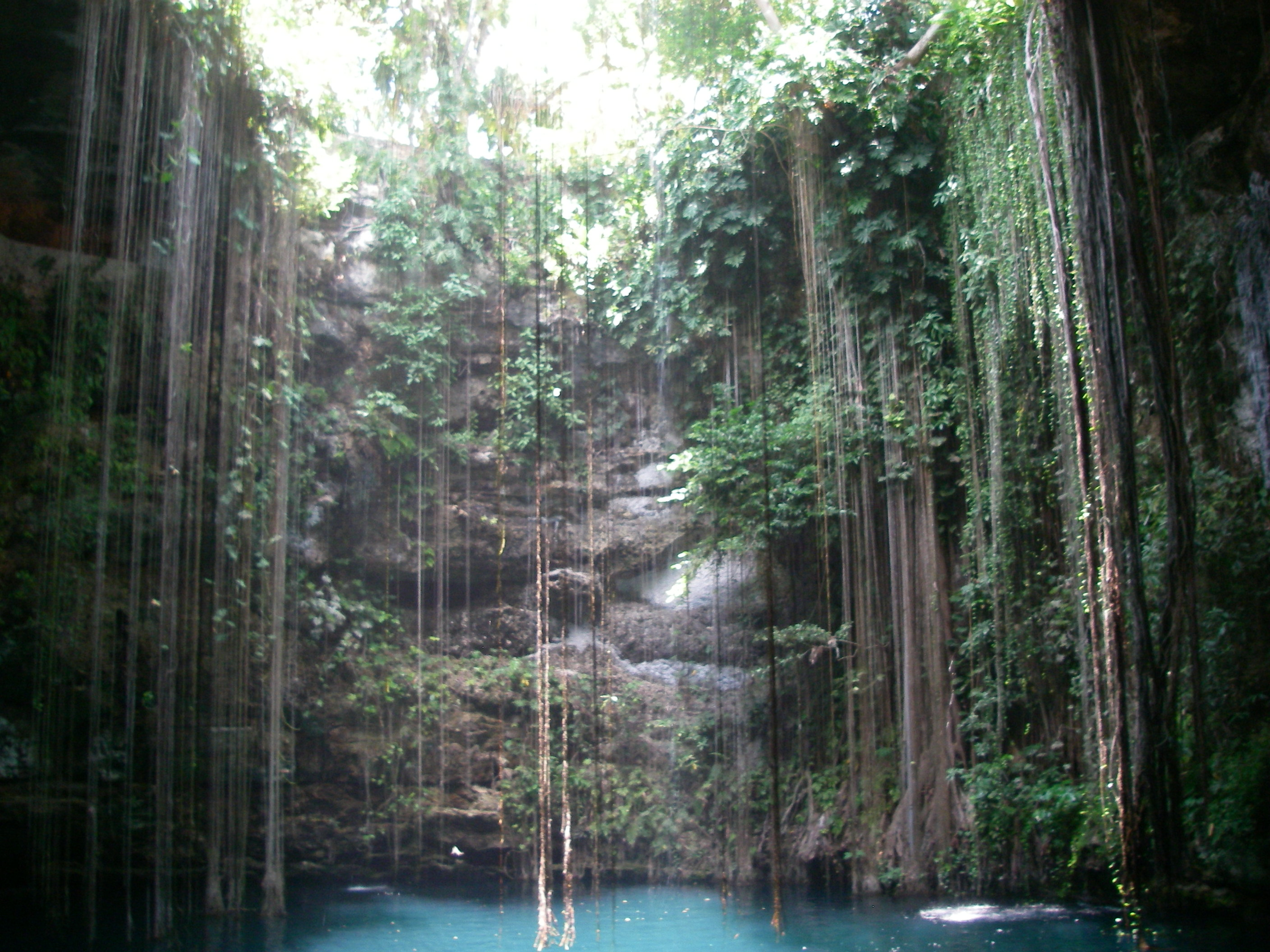
Suggested Chichén Itzá and Yokdzonot itinerary
A comfortable itinerary from Mérida:
- 6:15 AM: Leave Mérida
- 8:00 AM: Enter Chichén Itzá
- 8:00–10:30 AM: Explore the archaeological site
- 10:30 AM: Leave Chichén Itzá
- 11:00 AM: Arrive at Yokdzonot
- 11:15 AM–12:30 PM: Swim
- 12:30–1:30 PM: Lunch at the cooperative restaurant
- 1:45 PM: Begin the return to Mérida
- 3:30–4:00 PM: Arrive in Mérida, depending on traffic
A comfortable itinerary ending in Valladolid:
- 8:00 AM: Enter Chichén Itzá
- 10:30 AM: Leave the ruins
- 11:00 AM–1:00 PM: Swim and eat at Yokdzonot
- 1:00 PM: Drive east
- 2:00 PM: Check in or arrive in Valladolid
- Late afternoon: Walk the Calzada de los Frailes and historic centre
- Evening: Dinner in Valladolid
These routes leave enough time to enjoy the cenote without turning every stop into a deadline.
Common mistakes to avoid
Do not rely on an old entrance price. Bring extra pesos in case the rate has changed.
Do not assume zip lining or rappelling will operate for walk-in visitors.
Do not arrive shortly before closing and expect a full swim.
Do not enter with sunscreen or insect repellent still on your skin.
Do not leave valuables unattended beside the platform.
Do not expect shallow water for children.
Do not depend on finding an immediate taxi for the return journey.
Do not add too many major stops to the same day.
Do not confuse Yokdzonot in Yaxcabá with other Yucatán communities that share the Yokdzonot name.
Planning help
Yokdzonot is simple to include when you already have a rental car or driver for Chichén Itzá. It is considerably less convenient as a standalone public-transport excursion.
For quick questions about timing, transport or choosing between Yokdzonot and another cenote, use the free Yucatán Guide WhatsApp assistant.
For the next step, use the Plan hub to compare itineraries, transport and practical resources already available.
For the next step, browse Tours & Experiences or continue with the relevant destination guide.
Frequently asked questions
What are the opening hours for Cenote Yokdzonot?
The cenote’s current social profile lists opening hours of 9:00 AM to 5:00 PM daily.
Confirm before visiting during holidays, severe weather or periods of maintenance.
How much does Cenote Yokdzonot cost?
Recent sources commonly report an adult admission price of approximately MXN 150.
Prices can change, so bring additional cash and confirm at the entrance.
Is the life jacket included?
Life jackets are normally available and are commonly reported as part of admission. Confirm the current policy when paying.
Can you swim at Cenote Yokdzonot?
Yes. Yokdzonot has a large open swimming area with deep freshwater.
Is Yokdzonot close to Chichén Itzá?
Yes. The cenote is approximately 15–20 kilometres west of Chichén Itzá. Allow around 20 minutes by car.
Is Cenote Yokdzonot suitable for children?
It can work for closely supervised older children who are comfortable in deep water and able to manage stairs. It is not ideal for toddlers because there is no shallow beach or gradual entry.
Are there lockers?
Lockers have been reported by recent visitors, but availability can change. Confirm at admission and avoid bringing unnecessary valuables.
Is there food at the cenote?
Yes. The cooperative operates a restaurant serving regional food and drinks. Availability may depend on the day and number of visitors.
Can you visit without a car?
It may be possible using transport along the free Mérida–Pisté road, but the return journey is uncertain. A rental car, taxi arranged in advance or private driver is easier.
Is Yokdzonot better than Ik Kil?
Choose Yokdzonot for a quieter, community-run atmosphere and a broad natural swimming pool.
Choose Ik Kil for more developed infrastructure, easier inclusion in large tours and proximity to Chichén Itzá.
Final advice
Visit Chichén Itzá early, then swim at Yokdzonot before lunch. This order avoids the strongest heat at the ruins and places the cenote at the most comfortable part of the day.
Bring pesos, a towel, dry clothing and footwear with good grip. Confirm the current admission price and any adventure activities before making a special journey.
Yokdzonot is not the easiest cenote to reach without private transport, and it is not suitable for every young child or mobility-limited traveler. For visitors with a car or driver, however, it is one of the most sensible community-run swimming stops near Chichén Itzá.
Image credits
- Hero image and swimming-platform images: Ovedc, Wikimedia Commons, licensed under CC BY-SA 4.0.
- Cenote and hanging-roots image: Sharon Hahn Darlin, Wikimedia Commons, licensed under the terms shown on the file page.