Catedral de San Gervasio in Valladolid
Ek Balam is 27 kilometres north of Valladolid — close enough for a half-day trip, far enough that you need to plan the transport. The ruins are quieter than Chichén Itzá, the Acropolis is still climbable, and the nearby Cenote X'Canche makes it easy to combine history with a jungle swim. This is one of the better day trips in eastern Yucatán if you want something that does not feel overrun.
Getting There from Valladolid
By car: Take Highway 295 north toward Tizimín. After about 25–30 minutes you will see the signed turnoff for Ek Balam on the right. The road from the highway to the site is paved and well-marked. Total drive time is roughly 30–35 minutes. Parking at the site costs around 100 MXN, collected by the local ejido.
By colectivo: Shared taxis leave from the corner of Calle 44 and Calle 37 in central Valladolid, near Hotel Zaci. The colectivo to Ek Balam takes about 35–40 minutes and costs around 50–80 MXN per person. Departures are not on a fixed schedule — they leave when enough passengers gather, or you can negotiate to take the whole vehicle for around 400–500 MXN. Confirm the return time with your driver before you arrive at the site, or you may be waiting a while for a ride back.
By tour: Several operators in Valladolid offer half-day trips to Ek Balam, often bundled with Cenote Hubiku or Cenote X'Canche. Expect to pay 600–900 MXN per person for a guided excursion with transport. This is the simplest option if you prefer not to arrange logistics yourself.
From Mérida, Ek Balam is about a two-hour drive (roughly 160 km). Most visitors base the trip out of Valladolid and visit Ek Balam as part of a longer stay in the eastern part of the state.
The Ruins: What to See
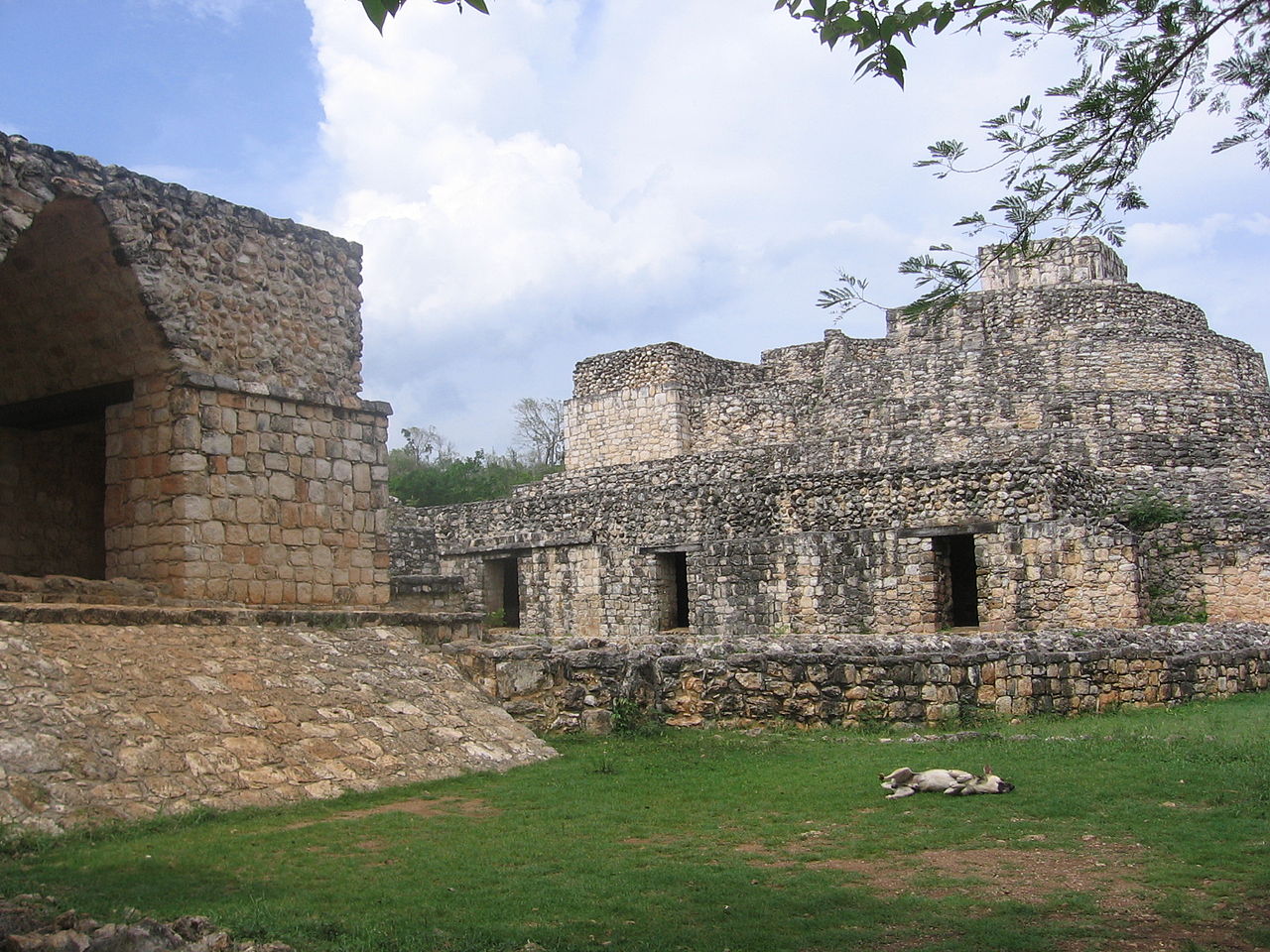 Ek Balam Acropolis, Yucatán
Ek Balam was the capital of the Maya kingdom of Talol, reaching its peak between roughly 770 and 840 CE under the ruler Ukit Kan Lek Tok'. Only a small portion of the city has been excavated — about one square kilometre — but what is open is impressive.
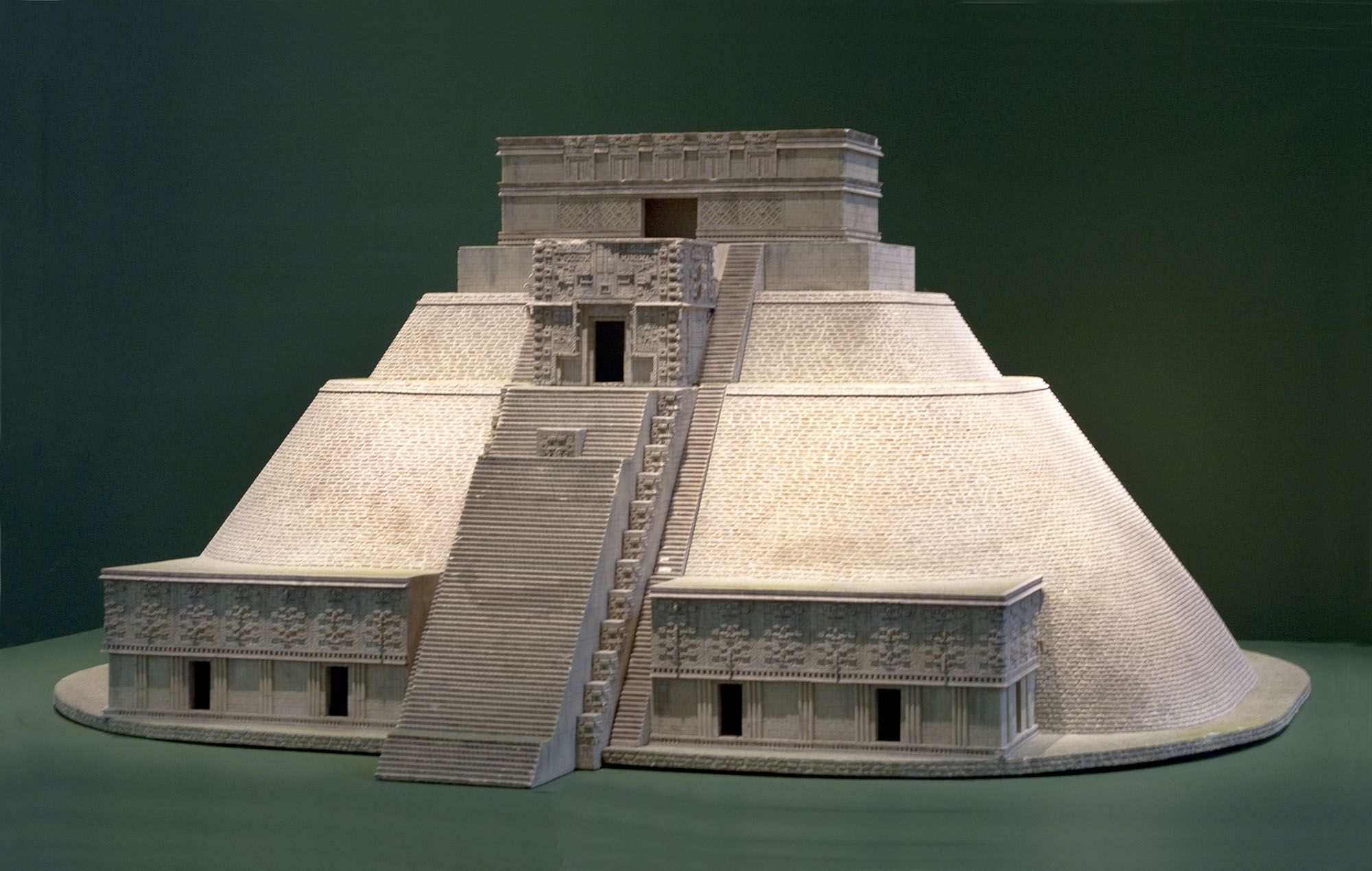
The main attraction is the Acropolis (also called El Torre), a massive pyramid that rises over the surrounding jungle canopy. At roughly 30 metres high with 106 steps, it is the largest structure in the Yucatán that you can still climb. The stairs are steep and narrow in places — take it slowly, especially in the midday heat. At the top, the view stretches across unbroken treetops in every direction. It is a different experience from the crowded platforms at Chichén Itzá.
Partway up the Acropolis, look for the stucco frieze — a remarkably preserved entrance decorated with carved limestone figures representing the jaws of the underworld. The detail is unusual for Maya sites in this region, where most decoration was carved in stone rather than modelled in stucco. Near the top is the tomb of Ukit Kan Lek Tok', sealed behind a jaguar-mouth entrance.
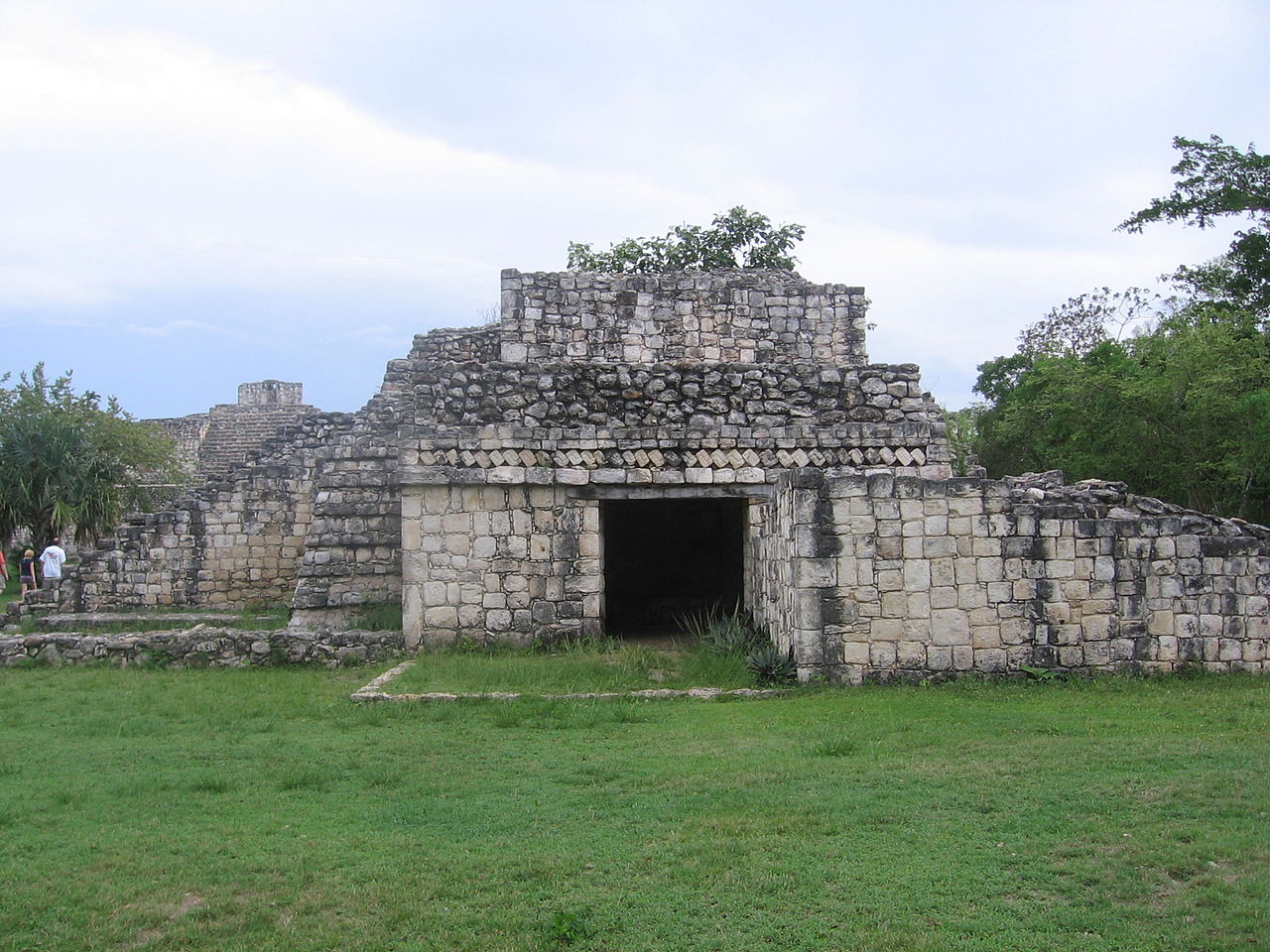
The site also includes a well-preserved arch marking the entrance to the central plaza, several smaller temples, and two low defensive walls that once encircled the city centre. A small on-site museum displays ceramics and artefacts recovered during excavation.
Allow 1.5–2 hours to explore the ruins comfortably. Licensed guides are sometimes available at the entrance for around 500–800 MXN and can add useful context to the carvings and the site's history.
Entrance Fees and Opening Hours
Ek Balam is open daily from 8:00 to 17:00, with last entry at 16:00. The entrance fee for foreign visitors is 210 MXN (INAH federal ticket) plus 481 MXN (Yucatán state CULTUR fee), for a total of 691 MXN (roughly 38 USD). Mexican nationals pay 210 MXN plus 132 MXN. Yucatán residents are exempt from the state fee. Children under 13 enter free.
You pay at two separate windows — one for the federal ticket, one for the state fee. Bring cash in pesos; card acceptance is unreliable and there is no ATM on site. Sundays are free for Mexican citizens.
GuideChichén Itzá Opening Hours and Tickets: 2026 Prices, Last Entry and TipsCurrent Chichén Itzá opening hours, 2026 ticket prices, last-entry time, parking costs, Sunday rules, night-show tickets, and practical advice for an easier visit.Open
Cenote X'Canche
 Ek Balam area in the Yucatán jungle
After the ruins, most visitors head to Cenote X'Canche, located about 1.5 km from the archaeological site entrance. You can walk (25–30 minutes along a shaded dirt path), ride one of the free bicycles parked near the exit, or take a tricycle taxi for a small fee.
The cenote is an open-air sinkhole managed by the local Maya community. It is deep, with dark green water and a wooden boardwalk around the rim. There are two sets of stairs down to the water — one steep, one more gradual. A rope swing on the far side is the main attraction for most visitors. Life jackets are available at no extra cost.
Facilities include changing rooms, lockers (bring your own padlock), bathrooms, and a small restaurant serving local food and cold drinks. Entrance is around 70–170 MXN depending on the package (walk-only is cheapest; bike or zip-line bundles cost more).
Cenote X'Canche is not suitable for young children who cannot swim independently — there are no shallow areas. For strong swimmers looking for a quiet jungle swim after the ruins, it is one of the better combinations in the region.
GuideCenote Xcanché Guide: Swim Near Ek Balam from ValladolidCenote Xcanché is a semi‑open limestone pool set in the forest near the Ek Balam archaeological zone, north of Valladolid in the municipality of Temozón. The cenote is about a 30‑minute drive from Valladolid, 2.25–2.75 hours from Mérida and 2–2.5 hours from Cancún; visitors usually reach it by rental car, taxi, private driver or an organized tour, and the walk from the Ek Balam entrance to the water is roughly 1.5 km, often done on foot, bike or a local tricycle‑style transport. Entry to the cenote costs a few hundred pesos; the exact amount varies with season and any extra activities such as zip‑line, rappel or biking, and cash in pesos is required because cards are not reliably accepted. The site is open only during daylight hours, with no specific closing time given, so arriving late after the ruins is discouraged. A typical visit lasts 1.5 to 2 hours, longer if adventure options are added. Visitors can expect a rustic setting with wooden stairs, platforms, changing areas, bathrooms, life jackets and basic food or drinks. The water may appear dark blue, green or almost black depending on light. Bring swimwear, a towel, water, a hat, sandals or water shoes with grip, and a dry bag for wet clothes. Life jackets are advisable for children and less confident swimmers, and sunscreen, oils or insect repellent should not be worn in the water. The cenote is best visited after touring Ek Balam in the early morning, then swimming around late morning or midday, followed by lunch in Valladolid. Weekdays are quieter; the path can be slippery in the rainy season and the stairs may be challenging for those with limited mobility.Open
Practical Tips
- Go early. Arrive at the ruins by 9:00 to beat both the heat and the tour groups that start arriving from Cancún and the Riviera Maya by mid-morning.
- Bring water and cash. There are small vendors near the entrance selling drinks and snacks, but selection is limited. No ATMs on site.
- Wear proper shoes. The Acropolis stairs are steep and can be slippery after rain. Sandals with straps are acceptable; flip-flops are not.
- Combine with Cenote X'Canche for a full half-day. Start with the ruins, cool off in the cenote, then head back to Valladolid for lunch.
- If you are driving, consider continuing north to Río Lagartos (another hour past Ek Balam) for a flamingo boat tour on the same day — it makes a long but rewarding loop.
For the next step, use the Plan hub to compare itineraries, transport and practical resources already available.